
Reaching into the back seat, lifting a grocery bag, putting on a jacket – shoulder pain has a way of turning ordinary movements into a daily reminder that something is not right. For many people, softwave therapy for shoulder pain becomes worth considering when rest, stretching, or basic home care has not brought enough relief.
The shoulder is one of the most mobile joints in the body, which is exactly why it is so easy to irritate. Rotator cuff strain, tendon irritation, bursitis, frozen shoulder, arthritis, and overuse from work or sports can all create pain that lingers. In some cases, the problem is not just inflammation. The tissue may also be struggling to heal well, especially when the area has been aggravated for weeks or months.
That is where SoftWave Therapy may fit into a broader treatment plan. It is a non-invasive treatment that uses electrohydraulic supersonic acoustic waves to stimulate the body’s natural healing response. The goal is not to mask symptoms for a few hours. The goal is to encourage repair, improve circulation, and help calm pain in tissue that has become irritated, damaged, or slow to recover.
How SoftWave therapy for shoulder pain works
SoftWave Therapy delivers acoustic waves into the affected area. These waves interact with tissue in a way that may help increase blood flow, stimulate cellular activity, and trigger a healing response. For shoulder pain, that matters because tendons and other soft tissues often have limited circulation compared with muscle, which can make recovery slower.
People often ask whether this is the same as a massage device or a TENS machine. It is not. SoftWave Therapy is designed to reach tissue more deeply and create a biological response rather than just temporary surface-level stimulation. Many patients describe the sensation as intense but tolerable, especially when the shoulder is already tender.
That said, treatment is not one-size-fits-all. The exact area treated, the intensity used, and the number of sessions recommended depend on the source of the pain, how long it has been present, and how irritated the shoulder is on the day of treatment.
Which shoulder problems may respond well?
SoftWave Therapy may be helpful for several common shoulder conditions, especially when pain is tied to soft tissue irritation or delayed healing. This can include rotator cuff tendinopathy, shoulder impingement, calcific tendon irritation, bursitis, and pain related to repetitive strain. It may also be considered for chronic stiffness or lingering pain after a previous injury.
For some people, the best candidates are those who feel stuck. They have tried rest, modified activity, ice, or pain medication, but the shoulder still catches, aches, or feels weak. Others may have already started physiotherapy and want an added treatment that supports tissue recovery while they work on strength and mobility.
There are limits, though. If shoulder pain is coming from a full-thickness tear, advanced joint degeneration, a fracture, or pain referred from the neck, the treatment plan may need to look very different. That is why a proper assessment matters before jumping into any therapy. The right treatment starts with understanding what is actually driving the pain.
What the research and real-world results suggest
SoftWave Therapy is often discussed alongside shockwave therapy, and there is growing interest in how acoustic wave treatments may help musculoskeletal pain. Clinical use has shown promising results for tendon-related pain and chronic soft tissue conditions, particularly when treatment is paired with an active rehab plan.
The key point is that results tend to be better when the therapy is used as part of a larger strategy rather than as a stand-alone fix. A painful shoulder usually involves more than one issue. You might have irritated tissue, reduced mobility, weakness in the rotator cuff, poor shoulder blade control, or movement habits that keep reloading the same area. If those patterns are not addressed, pain can return even if the tissue starts to calm down.
That is why integrated care often makes more sense than chasing a single treatment. At Active Rehab Centre, SoftWave Therapy can be paired with hands-on care, guided exercises, and movement-based rehabilitation to improve how the shoulder functions, not just how it feels for the moment.
What a session feels like
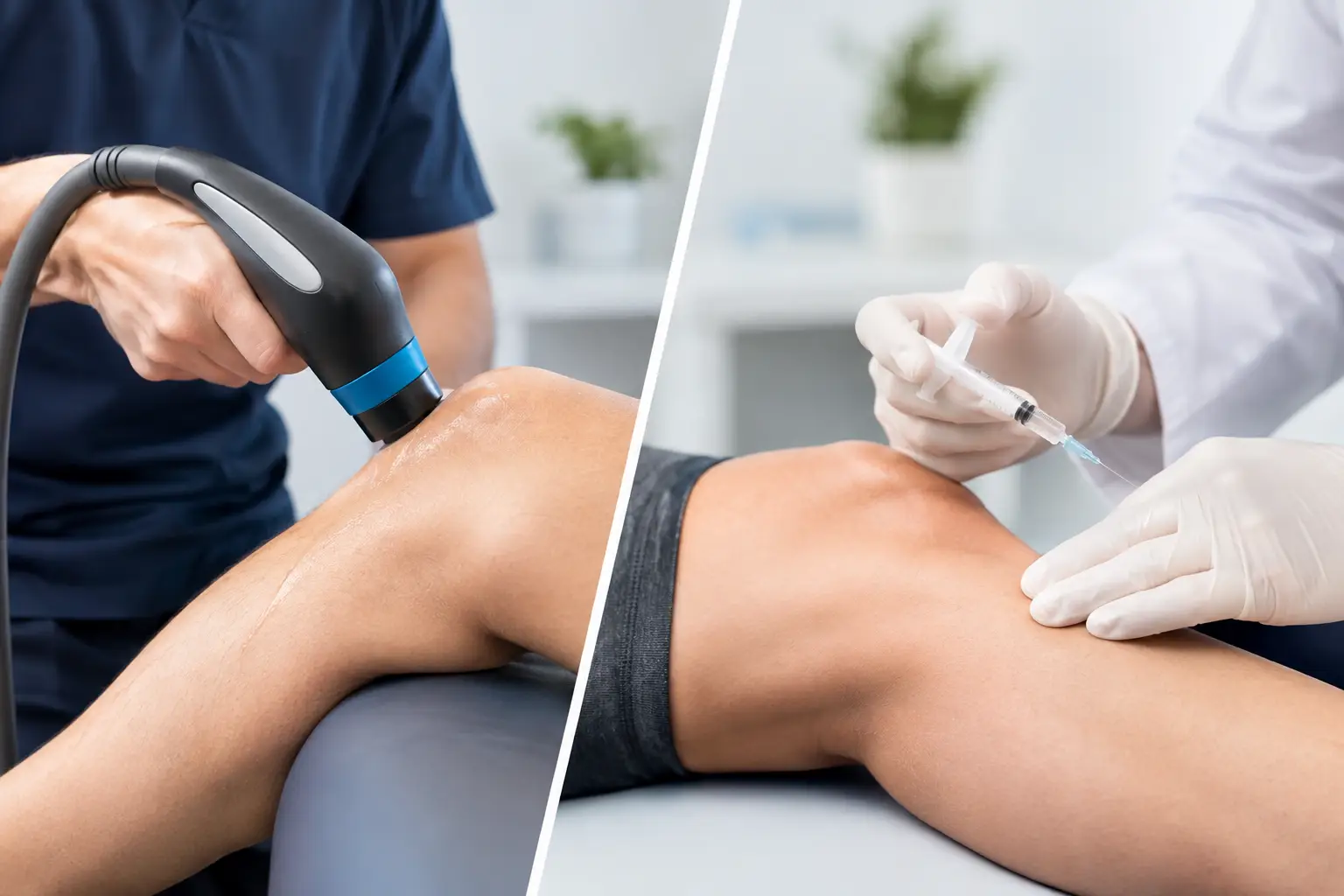
If you are considering SoftWave therapy for shoulder pain, it helps to know what to expect. A clinician first identifies the painful area and the surrounding structures that may be contributing to the problem. A handheld applicator is then used over the skin to deliver the acoustic waves.
Sessions are usually brief. Many people feel pulses or tapping sensations across the shoulder, and tender spots may feel sharper during treatment. That does not always mean something is wrong. It often reflects the sensitivity of the tissue being treated. Most patients can return to normal daily activity afterward, although the shoulder may feel mildly sore for a short time.
Some people notice changes quickly, such as less pain with reaching or easier overhead movement after the first few visits. Others improve more gradually. Chronic problems usually take more patience than recent flare-ups, and heavily irritated shoulders may need the surrounding treatment plan adjusted so the area is not constantly being overloaded between sessions.
Why treatment should not stop at pain relief
Pain relief matters, of course. When your shoulder hurts every time you reach into a cupboard or try to sleep on one side, symptom relief is not a small thing. But long-term improvement usually depends on restoring function.
That often means working on mobility first, especially if the shoulder has become stiff. From there, treatment may focus on rotator cuff strength, shoulder blade mechanics, posture, and the specific tasks that trigger symptoms at work, at the gym, or at home. Someone who lifts weights has different demands than someone who spends all day at a computer or a parent carrying young children.
This is also where expectations need to stay realistic. SoftWave Therapy may support healing, but it does not replace a full rehab process when the shoulder has lost strength or control. If a tendon has been irritated for months, the tissue may need help, but so does the movement pattern that kept stressing it.
Is SoftWave Therapy right for every shoulder pain case?
Not always. It depends on the diagnosis, the severity of the condition, and the person’s overall health and goals. For some patients, it can be an excellent option because it is non-surgical and does not require downtime. For others, the better first step may be physiotherapy, medical imaging, medication review, or referral to another provider.
A good clinician should also screen for situations where treatment may not be appropriate. If there is significant trauma, unexplained swelling, suspected fracture, infection, or severe loss of function, those concerns need attention first. The same goes for cases where the pain pattern suggests the neck or nerves may be involved more than the shoulder itself.
That is one reason personalized care matters. A treatment that sounds promising online still has to fit the person in front of you.
How to get the best results from SoftWave therapy for shoulder pain
The best outcomes usually come from combining treatment with a clear plan. That means understanding what activities are irritating the shoulder, what movements need to improve, and what the tissue can tolerate during recovery.
For one person, the missing piece may be reducing repeated overhead strain for two weeks while the tendon settles down. For another, it may be finally rebuilding strength after months of guarding the arm. Small changes can make a big difference when they are specific and timed well.
Consistency matters too. Skipping rehab exercises, pushing through sharp pain at the gym, or expecting one treatment to undo a long-standing problem can slow progress. On the other hand, when therapy is paired with good guidance, many patients find they can move with less pain, regain confidence in the shoulder, and return to work, exercise, or daily routines more comfortably.
Shoulder pain can make your world smaller without warning. The right care should help open it back up – steadily, safely, and with a plan that makes sense for your body and your goals.