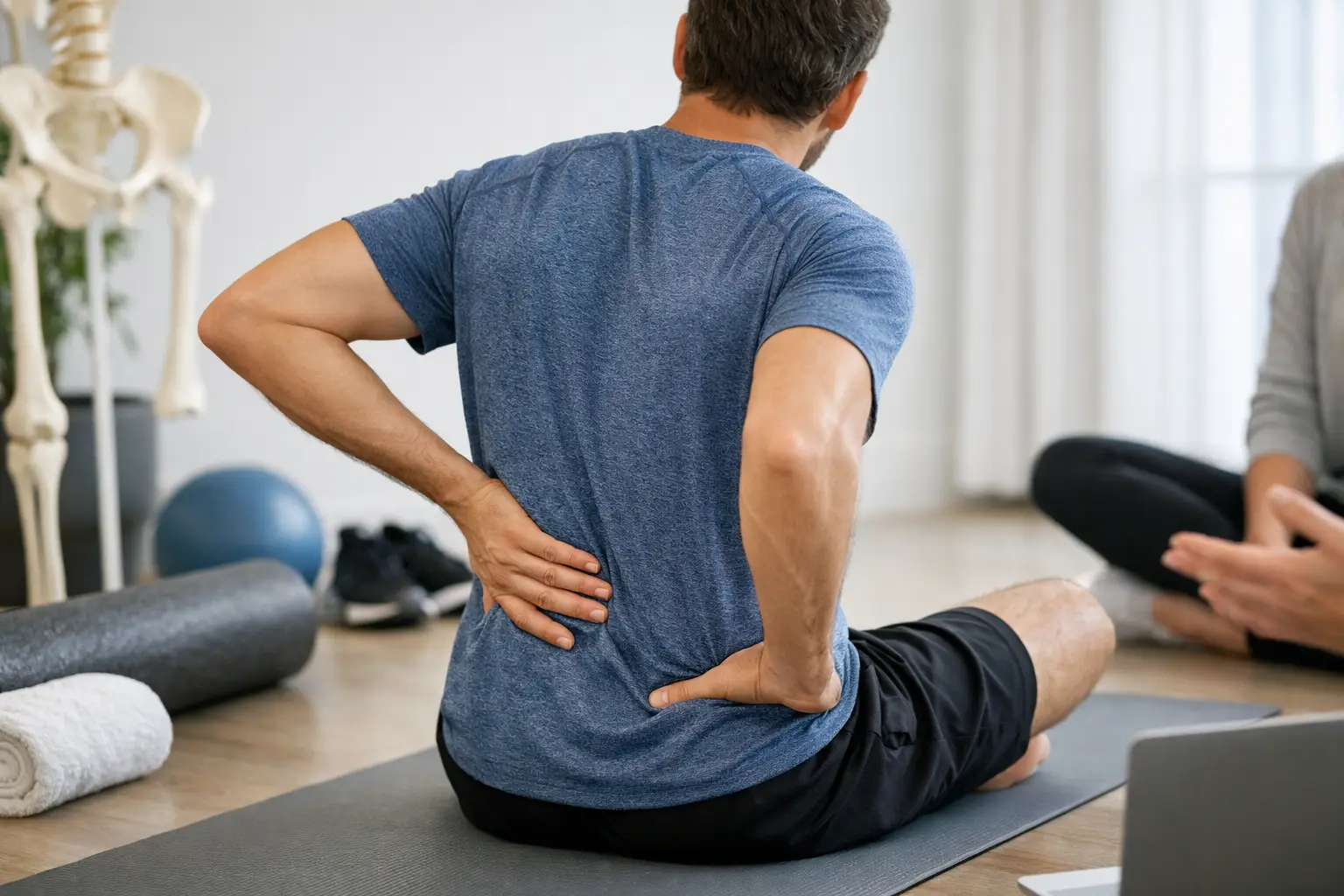
Getting out of a chair and needing a few cautious steps before your back loosens up is a familiar experience for many adults. Learning how to relieve lower back stiffness starts with recognizing that stiffness is often your body’s response to prolonged positions, overuse, stress, or a recent change in activity. The goal is not to force your back to bend further. It is to restore comfortable movement, reduce irritation, and build habits that make stiffness less likely to return.
For some people, a stiff lower back improves within a day or two. For others, it becomes a recurring problem that affects work, sleep, exercise, and everyday tasks. The right approach depends on what is driving the stiffness and whether other symptoms are present.
Start With Gentle Movement, Not Complete Rest
When your lower back feels tight, staying completely still can seem like the safest choice. A short period of rest after a strain may be helpful, but too much inactivity can make muscles and joints feel even more guarded. Gentle, frequent movement is usually more useful than one intense stretching session.
Try a short walk around your home, office, or neighborhood. Even five to 10 minutes can warm the tissues around the hips and lower back. Keep your stride comfortable and avoid pushing through sharp pain. If walking increases symptoms that travel down your leg, stop and seek advice from a licensed health professional.
Changing positions regularly also matters. If you work at a desk, stand up or take a brief movement break every 30 to 60 minutes. If you drive for long periods, plan breaks when possible. Your back is designed to move, and small movement breaks often add up to meaningful relief.
Use Simple Mobility Exercises for Lower Back Stiffness
Gentle mobility work can help when stiffness comes from sitting, sleeping awkwardly, gardening, lifting, or returning to exercise after time off. Move slowly, breathe normally, and stay in a range that feels mildly relieving rather than painful.
Pelvic Tilts
Lie on your back with your knees bent and feet flat on the floor. Gently flatten your lower back toward the floor by tightening your abdominal muscles slightly, then relax. Repeat for eight to 12 slow repetitions. This can be a comfortable way to introduce movement without placing heavy demand on the back.
Knee-to-Chest Stretch
While lying on your back, bring one knee toward your chest and hold it with your hands for 15 to 30 seconds. Switch sides. If it feels comfortable, bring both knees in gently. This position may relieve tension for some people, especially after prolonged sitting, but it is not ideal for everyone. Stop if it increases pain or creates tingling in the leg.
Cat-Cow Movement
Start on your hands and knees with your hands under your shoulders and knees under your hips. Slowly round your back, then gently allow your spine to return through a comfortable arch. Keep the motion easy and controlled for six to 10 repetitions. The purpose is to encourage movement, not to reach the biggest possible range.
Hip Flexor and Glute Stretches
The hips can contribute to the feeling of a tight lower back. A gentle lunge-based hip flexor stretch or a seated glute stretch may help if sitting has left your hips feeling restricted. Keep your torso upright and avoid forcing the stretch. A mild pull is enough.
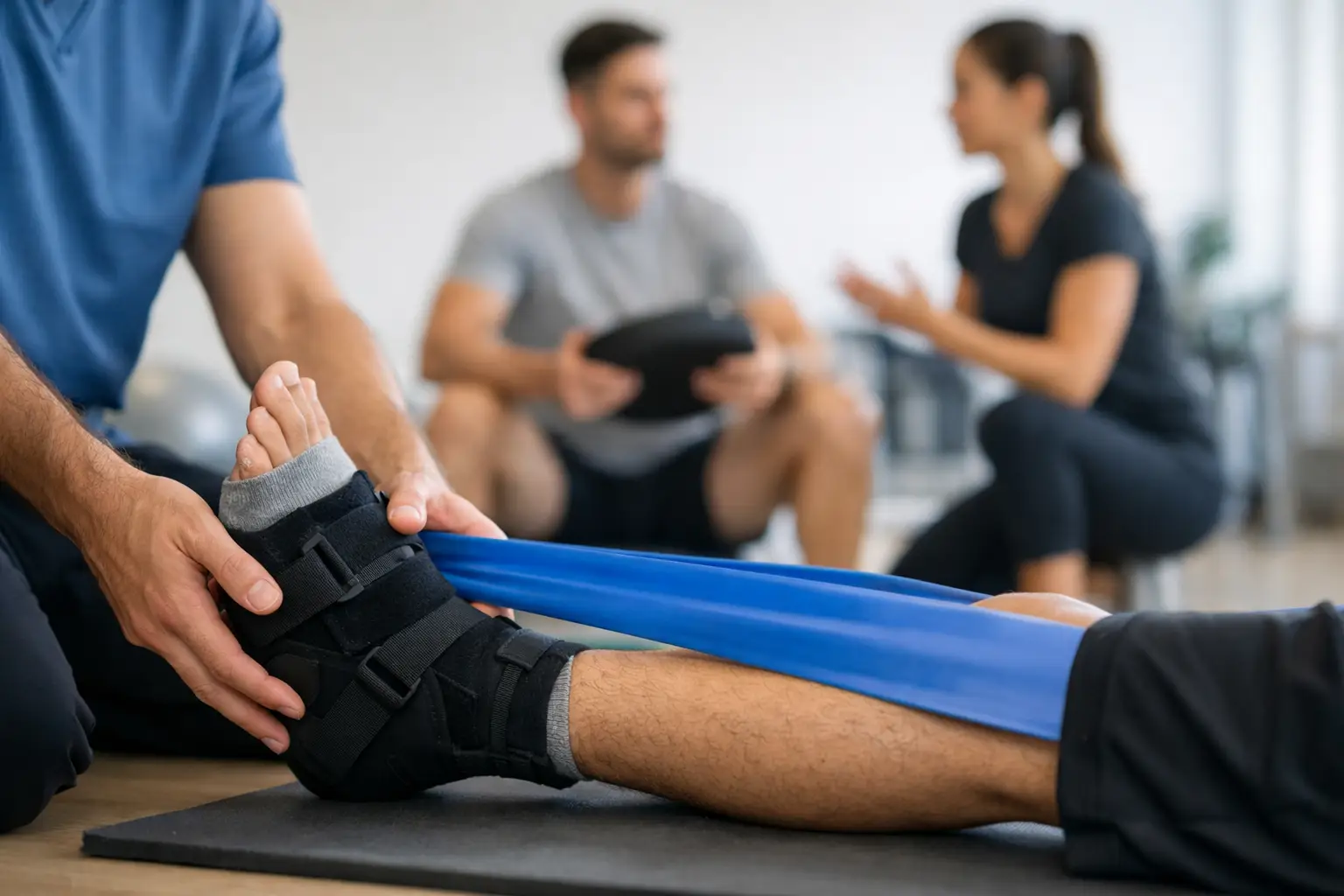
If you are unsure which exercises fit your situation, a physiotherapist can assess your movement, identify contributing factors, and show you how to perform exercises safely. A personalized plan is especially valuable when the same stiffness keeps returning.
Add Heat or Cold Based on What Feels Better
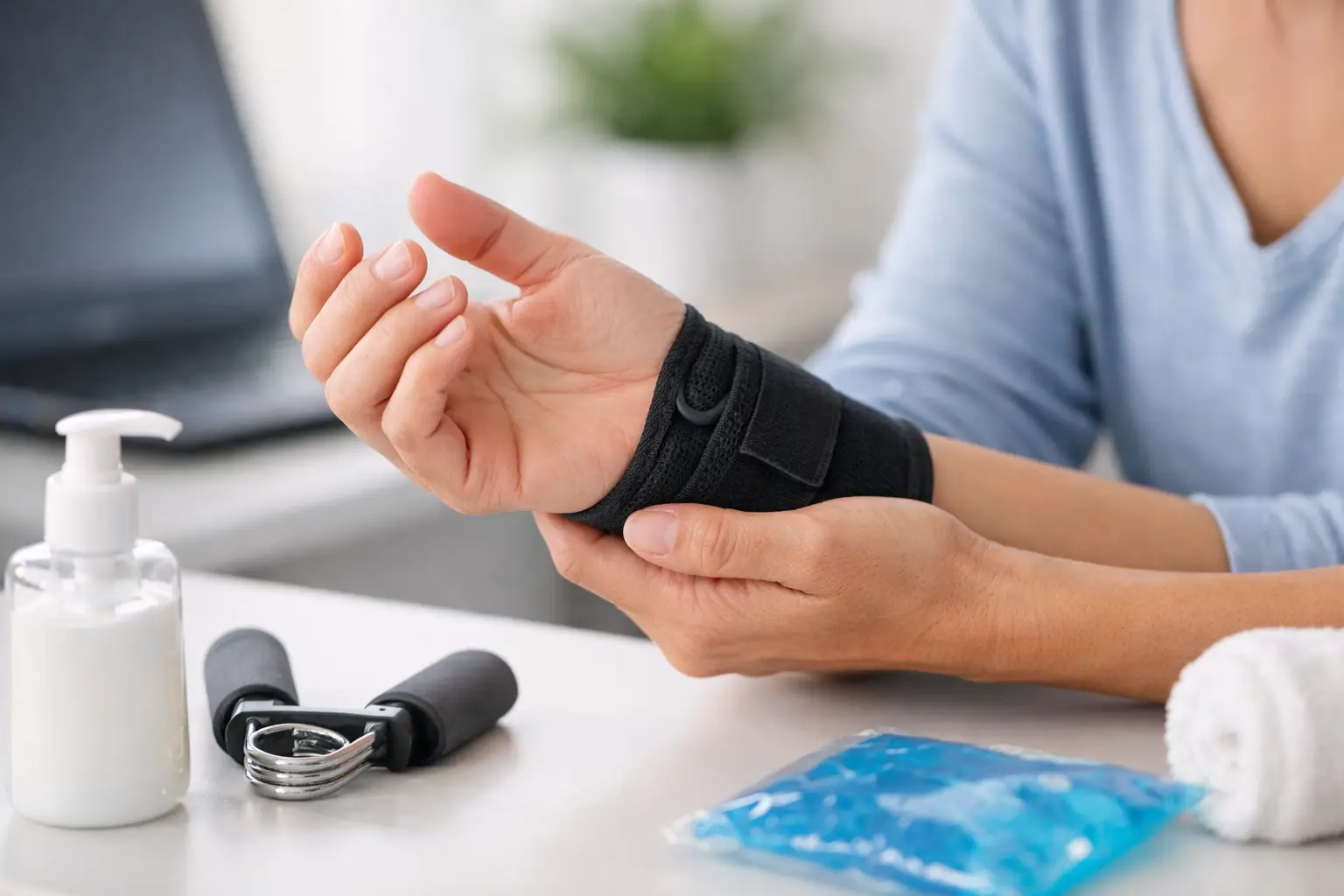
Heat can be soothing for a back that feels stiff, tense, or achy. A warm shower, heating pad, or warm compress for 15 to 20 minutes may help muscles relax before gentle movement. Use a barrier between your skin and the heat source, and avoid falling asleep with a heating pad on.
Cold may be more comfortable after a recent flare-up, especially if the area feels sore after lifting, sport, or an unexpected movement. Use a wrapped cold pack for short periods, typically 10 to 15 minutes at a time. Neither heat nor cold fixes the underlying cause on its own, but either can make it easier to move comfortably.
Look Beyond the Lower Back
Lower back stiffness does not always originate only in the lower back. Tight hips, reduced core endurance, limited upper-back mobility, stress-related muscle tension, and even an unsupportive work setup can all play a role.
Consider how your day is structured. A laptop that keeps you hunched forward, a chair that encourages slouching, or repeated bending and twisting can aggravate stiffness. You do not need a perfect ergonomic setup to make progress. Raise your screen to a more comfortable height, keep frequently used items within reach, support your feet, and vary your posture throughout the day.
Sleep can also affect how your back feels in the morning. Side sleepers may benefit from a pillow between their knees, while back sleepers may feel more comfortable with a pillow under their knees. The best sleep position is the one that allows you to rest without repeatedly waking because of discomfort.
Build Strength After the Stiffness Eases
Stretching may provide temporary relief, but long-term improvement often comes from gradually building strength and confidence in movement. Your abdominal muscles, glutes, hips, and back muscles work together to support daily activity. If these areas have become deconditioned, routine tasks can leave your back feeling overworked.
Start with manageable activities such as walking, bodyweight sit-to-stands, bridges, or guided core exercises. Increase gradually based on how your body responds over the next 24 hours. Mild muscle fatigue can be normal when beginning a program. Sharp pain, worsening symptoms, or pain that spreads down the leg is a sign to stop and get assessed.
For active adults and athletes, the answer is rarely to stop all training indefinitely. It is usually to modify the activity, improve technique, and rebuild capacity in a structured way. A physiotherapist, chiropractor, or other qualified rehabilitation professional can help determine the safest path back to lifting, running, sports, or physically demanding work.
When Lower Back Stiffness Needs Professional Care
Most episodes of lower back stiffness are not emergencies, but certain symptoms need prompt medical attention. Seek urgent care if back pain or stiffness occurs with:
- New loss of bowel or bladder control
- Numbness in the groin or inner thighs
- Significant or worsening leg weakness
- Fever, unexplained weight loss, or severe pain at night
- Pain after a serious fall, collision, or other major trauma
You should also book an assessment if your stiffness lasts more than a couple of weeks, repeatedly returns, limits work or sleep, or is accompanied by numbness, tingling, or pain traveling into the buttock or leg. Early assessment can help distinguish a simple mechanical issue from conditions that need a more specific treatment approach.
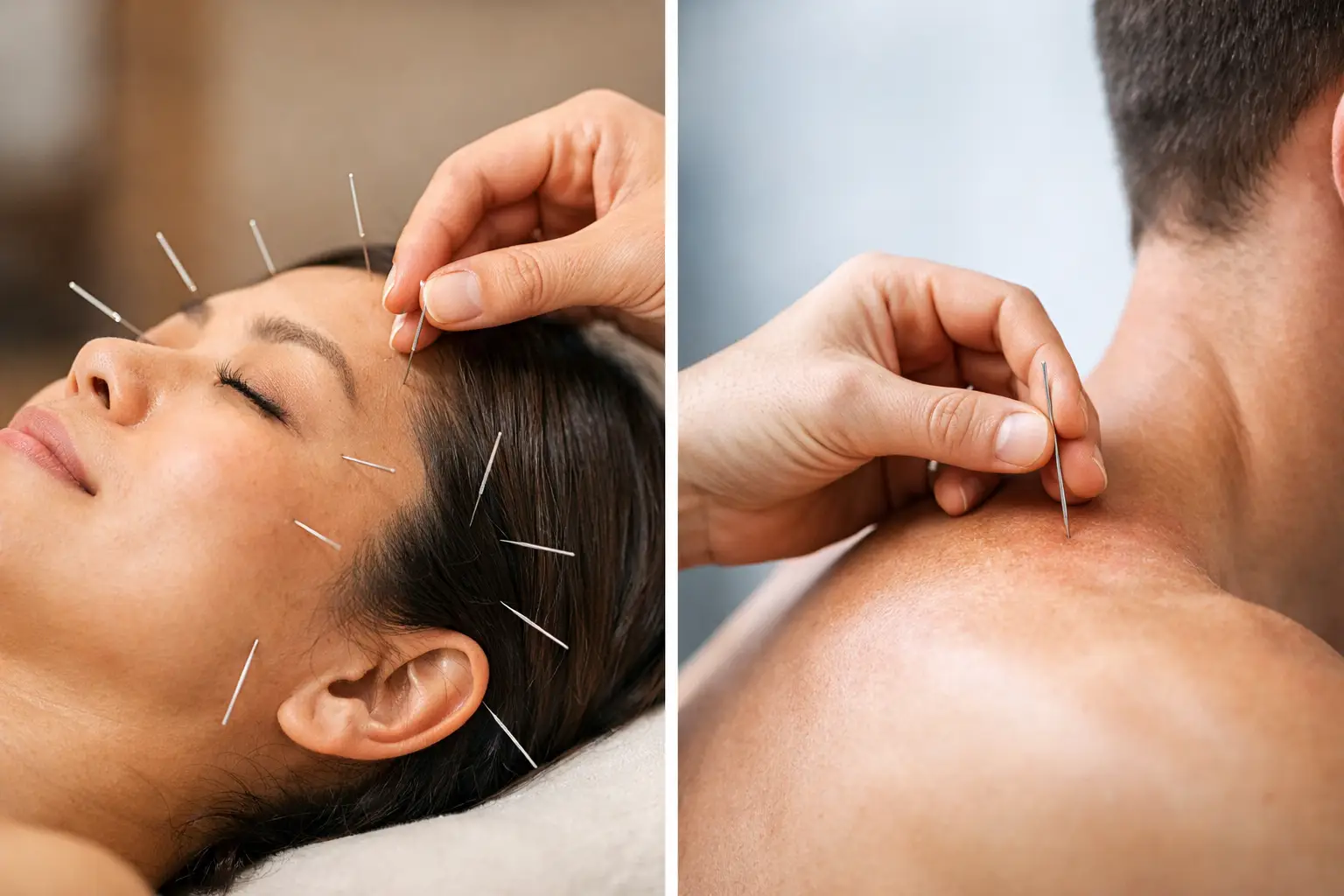
At Active Rehab Centre, licensed practitioners can coordinate hands-on care, therapeutic exercise, and supportive treatments based on your needs. Depending on your assessment, physiotherapy, chiropractic care, massage therapy, acupuncture, or a combination of services may be appropriate. The focus should be on a clear plan that helps you move better and return to the activities that matter to you.
A Better Way to Respond to a Stiff Back
Avoid treating every episode of stiffness as a signal to stretch harder or stay in bed longer. Start with calm, gentle movement, use heat or cold if it helps, and pay attention to the positions and activities that repeatedly trigger symptoms. If your back is not improving, or if you are worried about what you are feeling, a personalized assessment can replace guesswork with a plan for lasting relief.
A stiff lower back can make a normal day feel smaller. With the right level of movement, gradual strengthening, and professional support when needed, you can take practical steps toward feeling more comfortable and capable again.