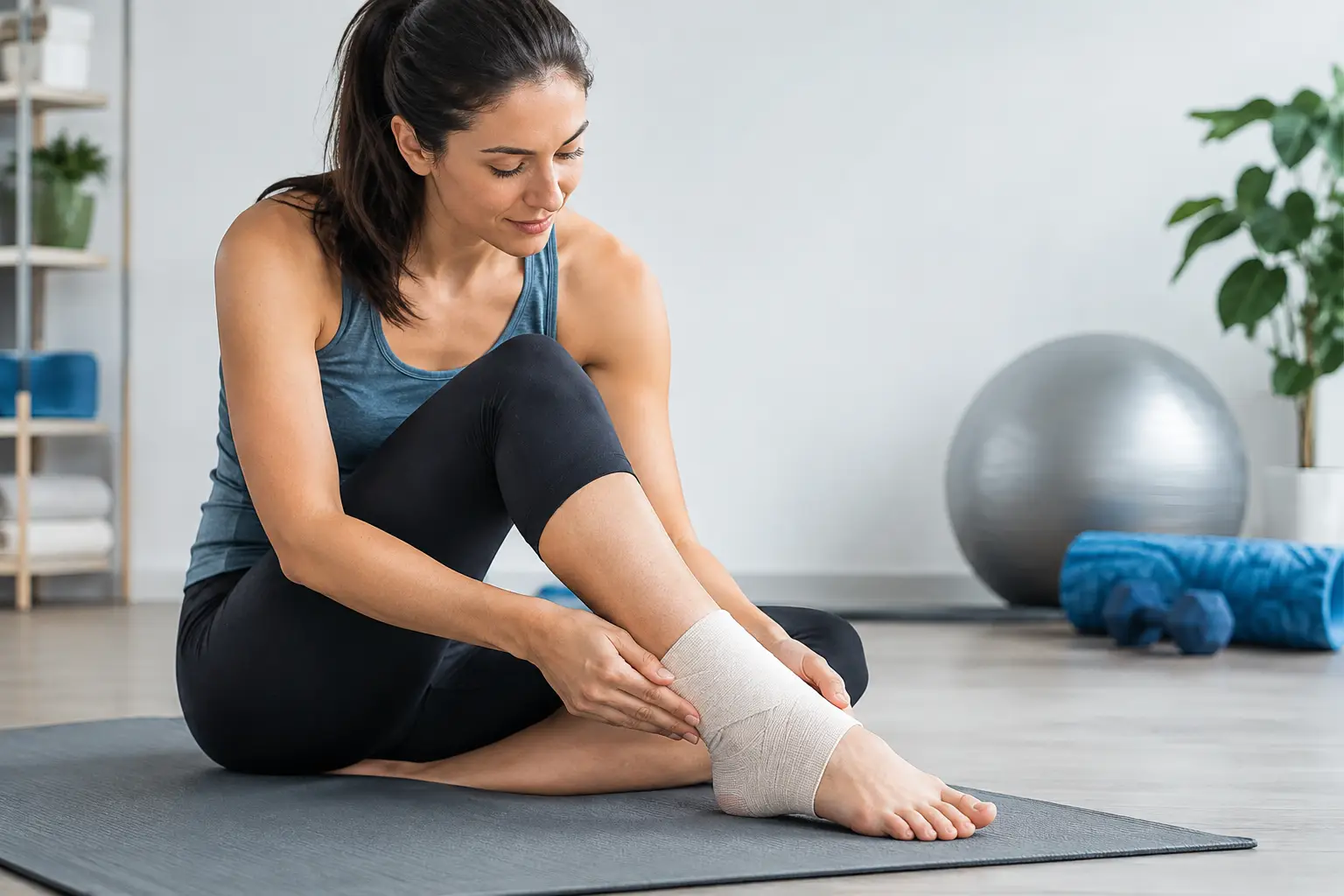
A flare of back pain before a long workday, knee arthritis that interrupts a walk, or neck tension that makes sleep difficult can create the same urgent question: what will actually help? When considering acupuncture versus medication for pain, the best answer is rarely one-size-fits-all. Both options can have a place in care, but they work differently, carry different risks, and may be more appropriate at different stages of recovery.
For many people, the goal is not simply to turn down pain for a few hours. It is to move with greater confidence, return to work or sport safely, and reduce the chance that pain keeps returning. That is where a personalized plan can make a meaningful difference.
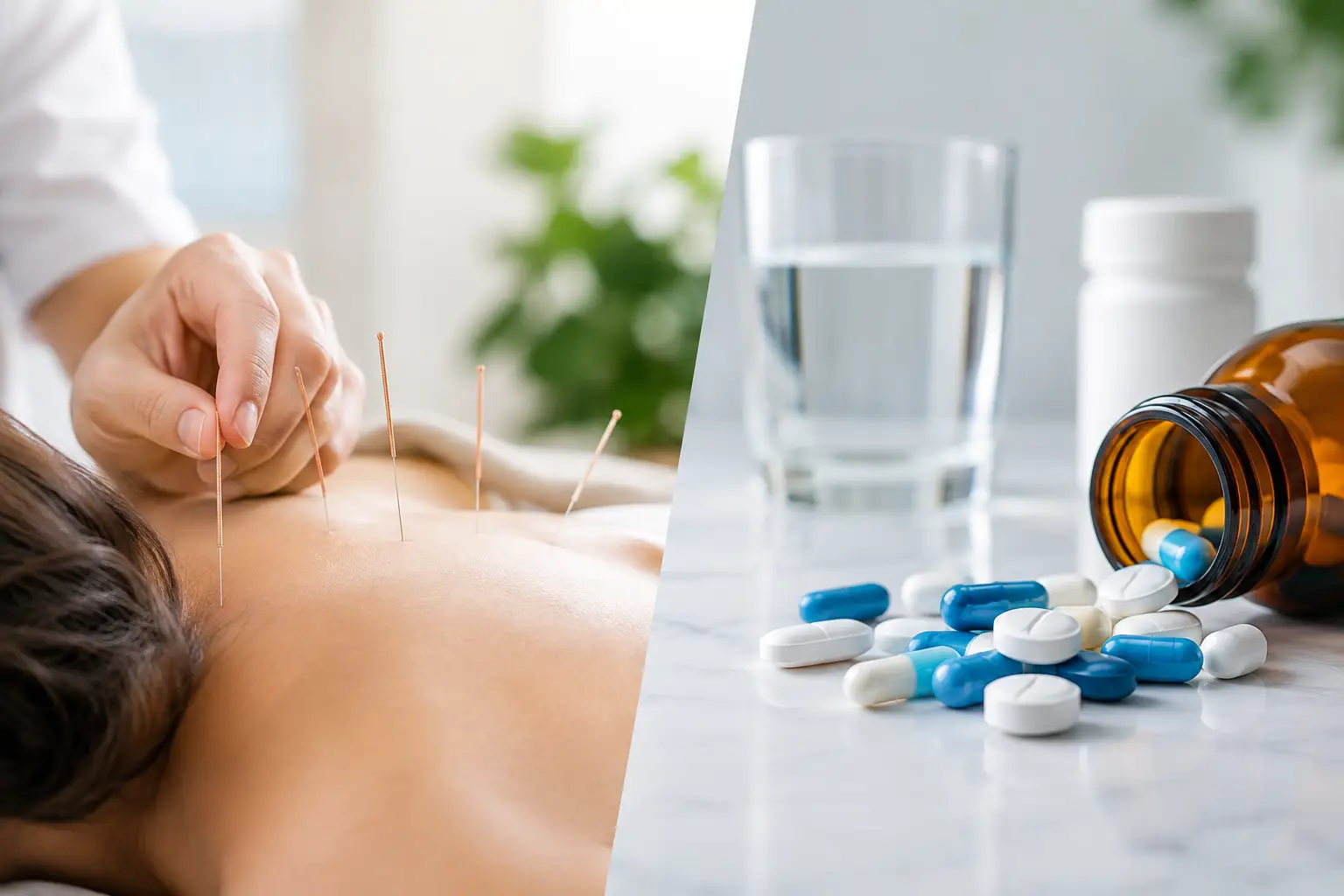
Acupuncture Versus Medication for Pain: The Practical Difference
Pain medication typically works by changing chemical pathways involved in pain and inflammation or by altering how the nervous system processes pain signals. Depending on the medication, it may provide relief within minutes or hours. This can be valuable when pain is interfering with sleep, mobility, or participation in rehabilitation.
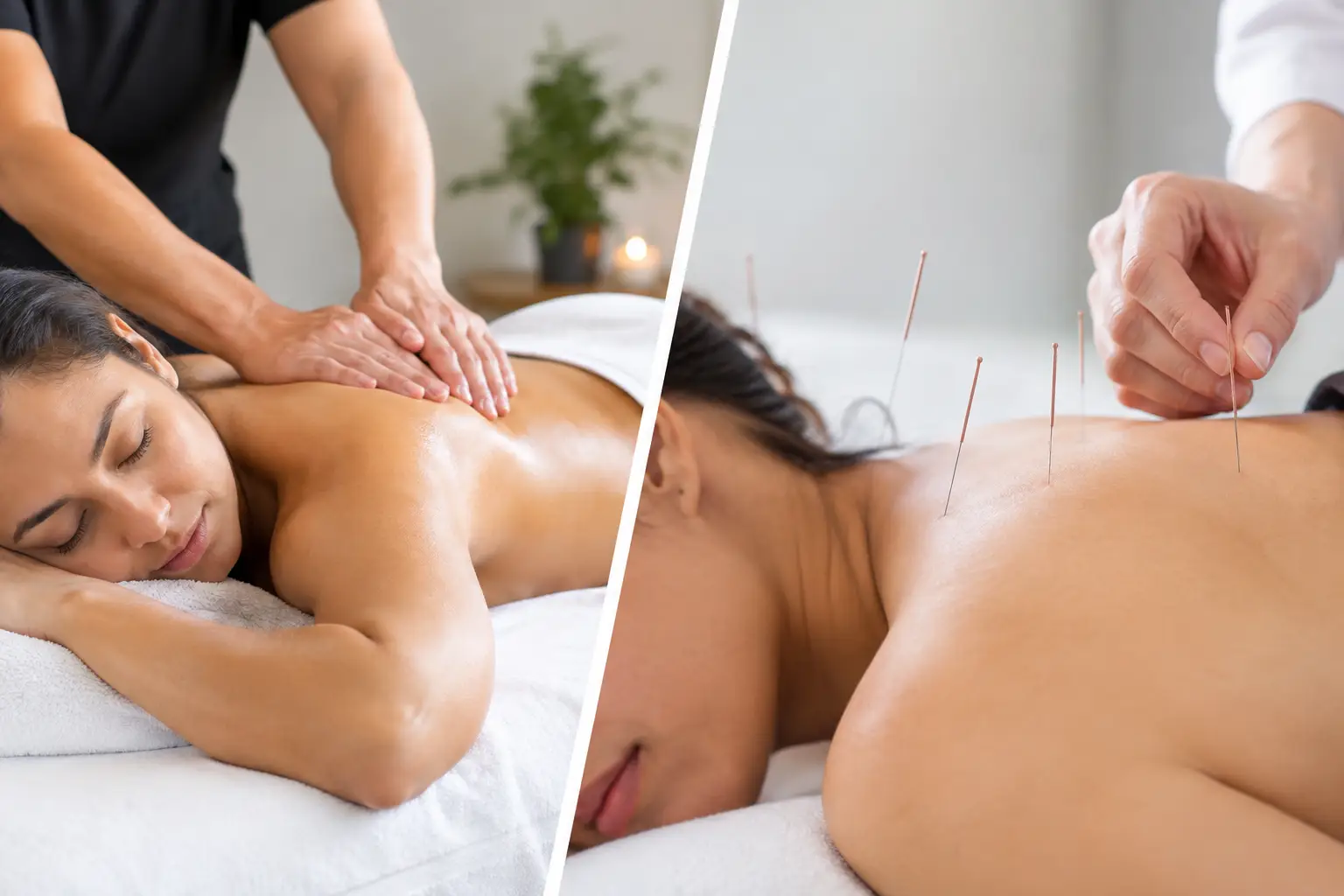
Acupuncture uses very thin, sterile needles placed at specific points on the body. A licensed practitioner may use it to help modulate pain signals, ease muscle tension, and support the body’s natural pain-relief responses. While some people notice a change after one session, acupuncture is more commonly offered as a series of treatments, particularly for persistent pain.
The key difference is that medication often focuses on short-term symptom control, while acupuncture is often used as part of a broader conservative treatment plan. Neither approach is automatically better. The right choice depends on the cause of pain, its severity, your health history, current medications, and what helps you stay active in recovery.
When Medication May Be the Right Tool
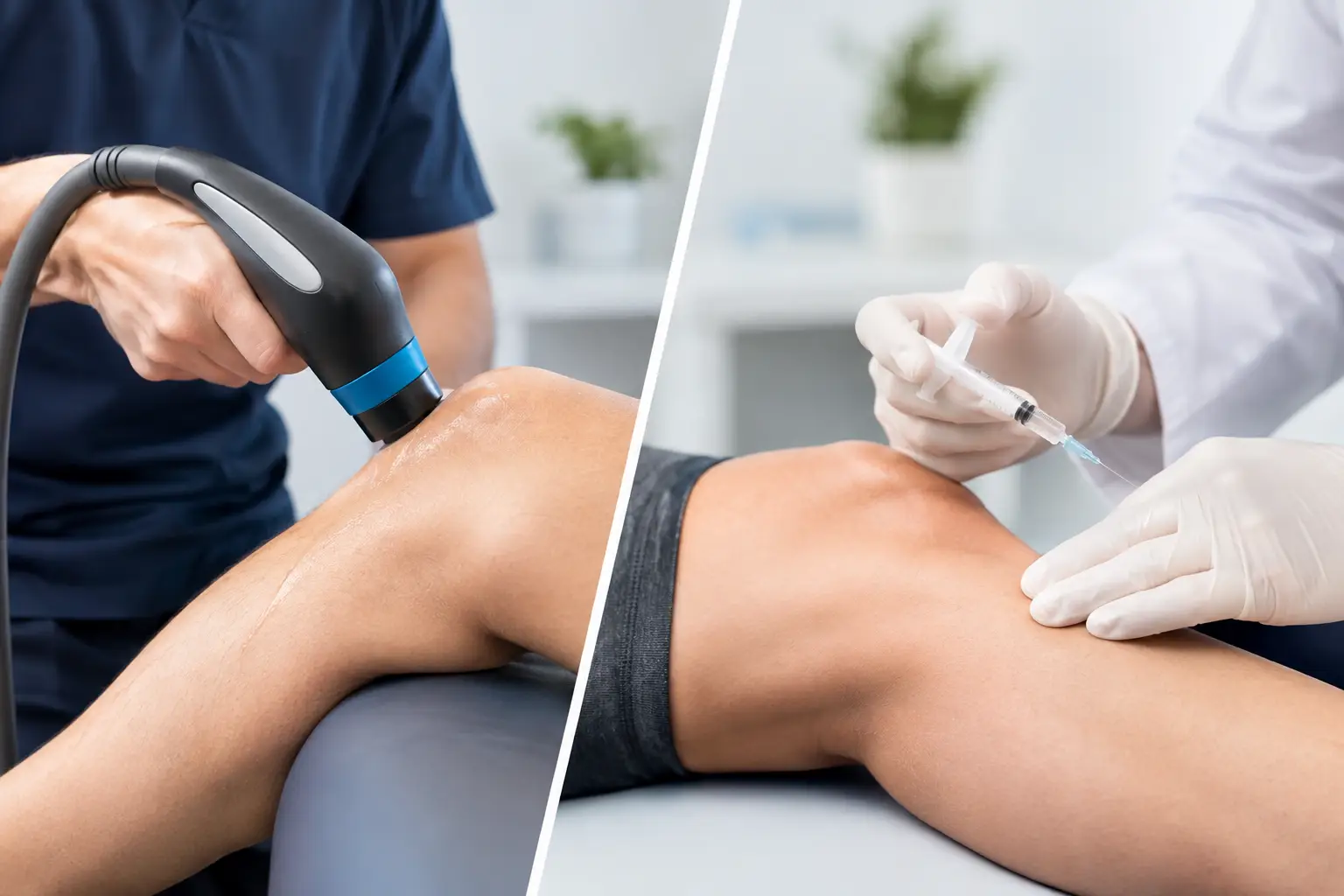
Medication can be useful for acute pain after an injury, a significant inflammatory flare, or pain that is preventing normal rest and movement. Over-the-counter options such as acetaminophen or anti-inflammatory drugs may be appropriate for some people when used as directed. Prescription medications may be considered for more severe situations under the guidance of a physician or other qualified prescriber.
However, familiar does not always mean risk-free. Anti-inflammatory medications can affect the stomach, kidneys, blood pressure, and cardiovascular health. Acetaminophen can cause liver damage if too much is taken or if it is combined with certain other products. Muscle relaxants and opioid medications may cause drowsiness, dizziness, dependence, or other serious side effects.
Medication may be a reasonable part of a plan, but it should not become the only plan when pain persists. If you need increasing doses, find that relief fades quickly, or are avoiding movement because pain returns as soon as medication wears off, it is worth discussing other approaches with your healthcare team.
Medication works best when it supports recovery
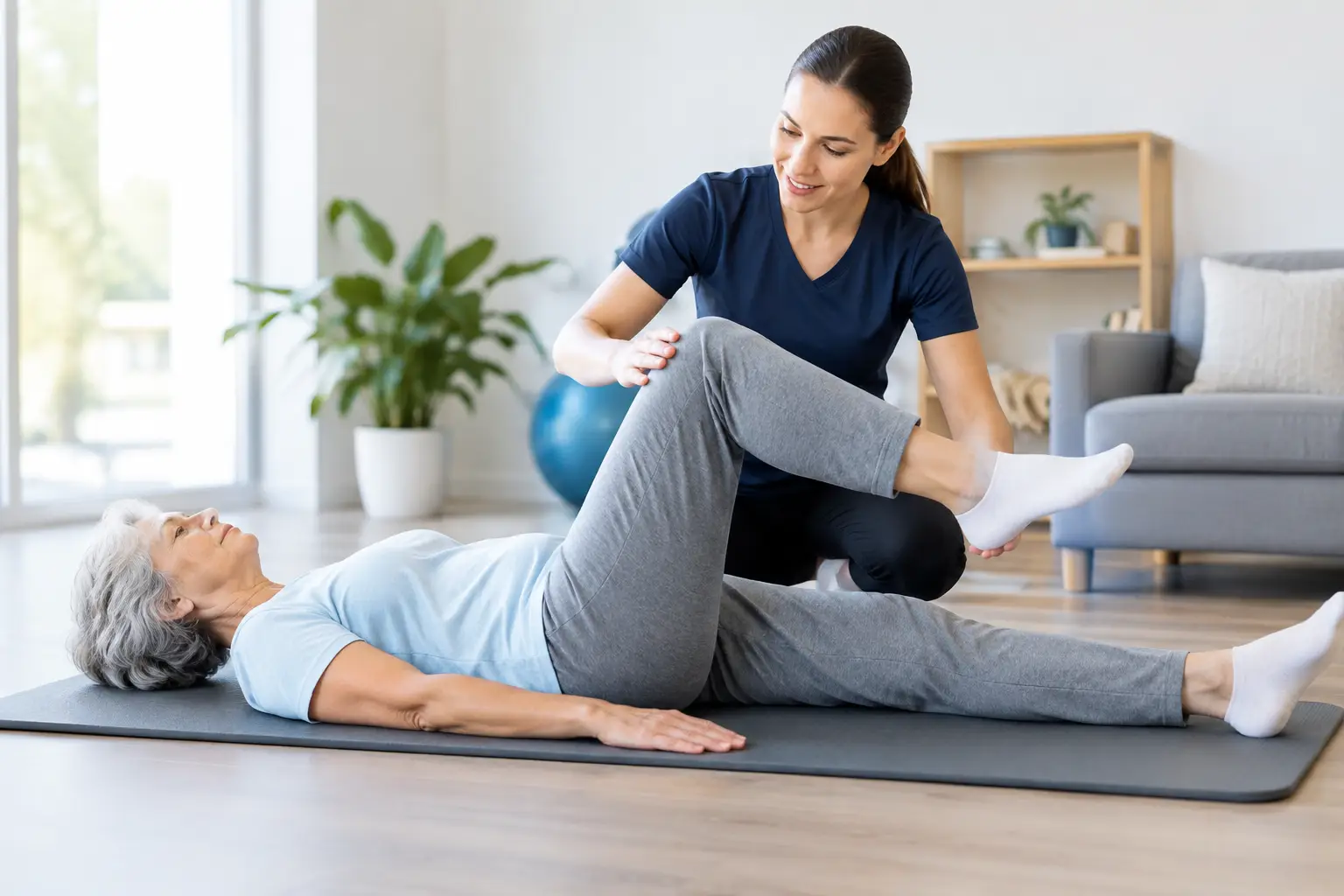
The most helpful role for pain medication is often to create a window for recovery. If a short course of medication allows you to sleep, begin gentle movement, or participate in physiotherapy, it may support meaningful progress. If it only masks symptoms while the underlying issue worsens, a reassessment is needed.
This distinction matters for common concerns such as low back pain, neck pain, shoulder injuries, sciatica-related symptoms, and osteoarthritis. Pain relief is valuable, but so are strength, mobility, posture, activity tolerance, and confidence in everyday movement.
Where Acupuncture Can Fit Into Pain Care
Acupuncture may be considered for a range of musculoskeletal concerns, including chronic low back pain, neck tension, knee osteoarthritis pain, headaches, jaw tension, and certain sports or repetitive-strain injuries. Some patients choose it because they prefer a non-drug option. Others use it alongside medication, with approval from their medical provider, to reduce their reliance on medication over time.
A session begins with a clinical conversation about your symptoms, medical history, activity level, and goals. The practitioner should explain the proposed treatment and what sensations to expect. Most people describe the needles as producing little more than a brief pinch or a mild, dull sensation. Treatments are generally well tolerated when performed by a properly trained professional using sterile, single-use needles.
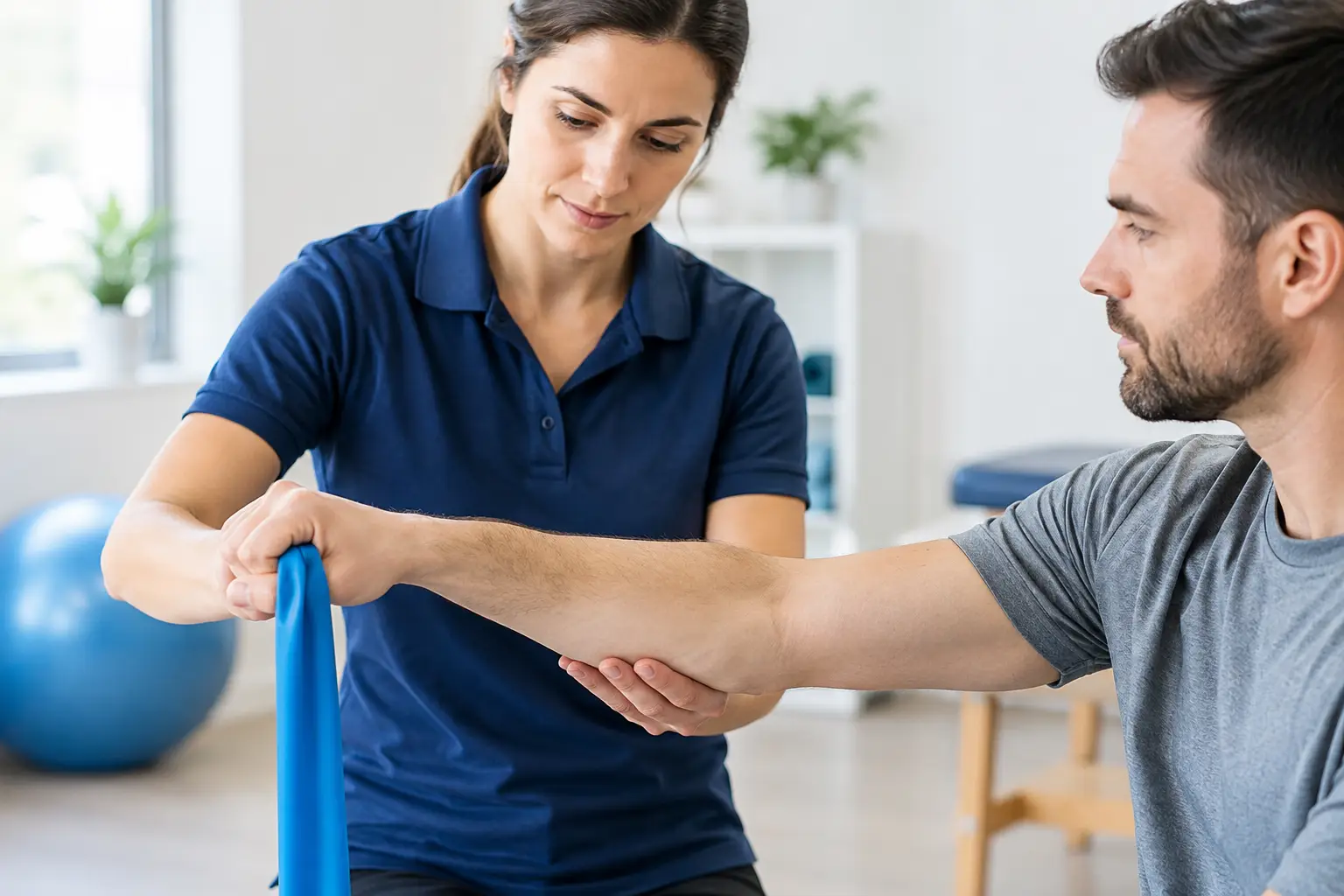
Acupuncture is not an instant fix for every type of pain. Results can vary based on the condition, how long symptoms have been present, sleep, stress, activity demands, and whether an injury is still being aggravated. It is often most effective when paired with active rehabilitation rather than used as a stand-alone service.
Safety and situations that need extra care
Acupuncture is generally considered low risk, but it is not right for everyone without appropriate screening. Tell your practitioner if you take blood thinners, have a bleeding disorder, are pregnant, have a pacemaker, have a compromised immune system, or are concerned about needle sensitivity. Mild bruising, soreness, or temporary lightheadedness can occur.
Pain should also be properly assessed before treatment begins. Severe pain after trauma, unexplained weight loss, fever, loss of bladder or bowel control, new weakness, numbness in the groin area, chest pain, or sudden severe headache requires urgent medical attention. These symptoms should not be managed by acupuncture or self-treatment alone.
Why Combining Approaches Often Makes Sense
The choice does not always have to be acupuncture or medication. In many cases, a coordinated plan is more practical. A patient with an acute back strain, for example, may temporarily use physician-recommended medication to settle intense pain while receiving acupuncture to address muscle guarding and beginning guided exercises to restore movement.
For chronic knee pain, acupuncture may help make walking or strengthening exercises more tolerable, while medication may be reserved for occasional flares. For tension-related neck pain, treatment may also include posture changes, hands-on therapy, stress management, and better workstation habits. The combination depends on the person, not just the diagnosis.
This is the advantage of multidisciplinary care. At Active Rehab Centre, licensed practitioners can help patients consider how acupuncture, physiotherapy, chiropractic care, massage therapy, and other services may work together around clear recovery goals. A coordinated plan can reduce the frustration of trying disconnected treatments without knowing what to do next.
How to Decide What You Need Now
Start with the nature of your pain. Acute pain that began suddenly after a fall, collision, or sports injury may need medical evaluation first. Chronic pain that has lasted for weeks or months may benefit from a fuller assessment of movement patterns, strength, joint mobility, work demands, sleep, and stress.
Then consider what has and has not worked. If medication provides temporary relief but pain returns with activity, ask whether rehabilitation or acupuncture could help you address contributing factors. If you have tried acupuncture without much improvement, consider whether the treatment plan included enough sessions, a clear diagnosis, and active strategies between visits.
Your preferences matter too. Some people want to avoid medication because of side effects or existing health conditions. Others are uncomfortable with needles or need fast relief during a severe flare. A good clinician will not pressure you into one path. They will explain realistic benefits, risks, and alternatives so you can make an informed decision.
Build a Plan That Lets You Move Forward
The most useful pain plan gives you more than a temporary break from symptoms. It should help you understand what is happening, identify safe next steps, and measure progress in daily life. That may mean fewer painful nights, longer walks, a more comfortable commute, or getting back to the activities that matter to you.
If pain is limiting your routine, begin with a professional assessment rather than guessing which treatment is best. With the right support, acupuncture, medication, and active rehabilitation can each have a role in helping you move forward with greater comfort and confidence.