
When your back hurts, even ordinary tasks start to feel bigger than they should. Sitting through work, getting out of the car, lifting groceries, or trying to sleep can all become frustrating. That is why many people ask about acupuncture for back pain relief when stretches, rest, or pain medication have not given them enough progress.
Acupuncture is not a shortcut or a one-size-fits-all fix. It is a treatment option that may help reduce pain, calm muscle tension, and support recovery when it is delivered as part of a thoughtful care plan. For some people, it brings noticeable relief quickly. For others, the best results come when it is combined with hands-on rehab, exercise, and changes to daily habits that are keeping the back irritated.
How acupuncture for back pain relief works
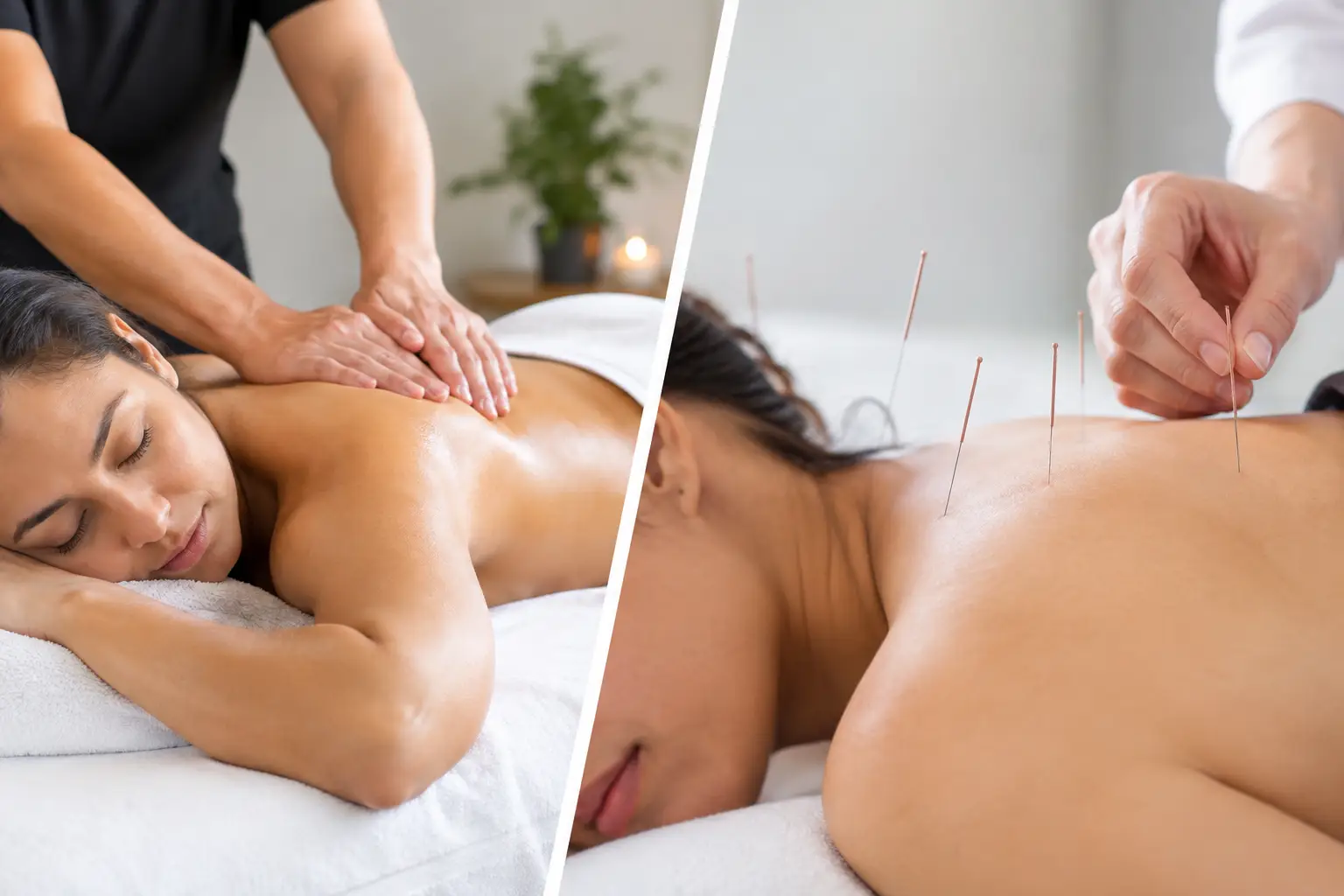
Acupuncture uses very thin needles placed at specific points on the body. In a clinical setting, the goal is not simply to mask symptoms. The treatment is used to influence pain pathways, improve circulation, reduce guarding in tight muscles, and help the nervous system settle down.
Back pain often involves more than one factor at the same time. A sore lower back may include muscle spasm, joint irritation, reduced mobility, stress-related tension, and compensation from the hips or core. That is one reason acupuncture can be helpful. It gives practitioners another way to address pain and tension without relying only on passive rest.
Research on acupuncture has shown benefit for many people with low back pain, especially when pain has lasted more than a few days or keeps coming back. That does not mean every case responds the same way. Sharp pain from a fresh injury, long-term stiffness from arthritis, and radiating pain from nerve irritation can all feel different and may need different treatment strategies.
Who may benefit most
Acupuncture is commonly used for lower back pain, upper back tightness, and back pain linked to posture, overuse, stress, or physical work. It may be a good fit for office workers with prolonged sitting, active adults dealing with training-related strain, and older adults managing chronic stiffness.
It can also help people whose back pain has become a cycle. Pain leads to tension, tension changes movement, and poor movement keeps the area irritated. In that pattern, treatment that reduces the body’s protective guarding can make it easier to move normally again.
There are limits, though. If your pain is caused by a serious underlying issue such as fracture, infection, progressive neurological loss, or severe spinal instability, acupuncture alone is not the right answer. The first step in those cases is a proper assessment so the cause of the pain is clear.
What a session usually feels like
Many first-time patients are nervous about the needles. That is understandable, especially if you are already in pain. The good news is that acupuncture needles are much thinner than the needles used for injections or blood tests, and most people describe the sensation as mild.
You may feel a small pinch at first, followed by heaviness, warmth, tingling, or a dull ache around the point being treated. In many cases, patients relax during the session and notice their muscles letting go. Some feel better right away. Others feel a gradual change over the next day or two.
The exact treatment depends on your presentation. A practitioner may place needles near the painful area, in surrounding muscles, or at points that help regulate pain elsewhere in the body. If your back pain is related to movement problems, a broader plan may also include soft tissue work, guided exercise, or postural coaching.
Acute pain versus chronic pain
The timing of your back pain matters. If the pain started recently after lifting, twisting, or an awkward movement, acupuncture may help calm the initial pain response and reduce muscle spasm. When pain is acute, early treatment can sometimes prevent the problem from dragging on.
Chronic back pain is different. After weeks or months of discomfort, the issue is often no longer just an irritated tissue. The nervous system can become more sensitive, sleep may suffer, and people often stop moving in ways that would normally support recovery. In these cases, acupuncture may still help, but it tends to work best alongside active rehabilitation.
That is an important distinction. Relief is valuable, but lasting progress usually depends on restoring strength, mobility, and confidence in movement.
Why a combined approach often works better
Back pain rarely comes from one source. A patient may have tight hip flexors from long sitting, weak core control, reduced spinal mobility, and stress that keeps the upper back and shoulders tense. Treating only the painful spot may help for a while, but the pain may return if the bigger pattern does not change.
This is where multidisciplinary care makes sense. Acupuncture can reduce pain enough to help you tolerate exercise. Physiotherapy can improve mobility, strength, and movement patterns. Massage therapy may ease soft tissue restriction. Chiropractic care may be appropriate in some cases when joint mobility is a factor. The right combination depends on the person, not a preset package.
At Active Rehab Center, that patient-centered approach matters because people do not come in with textbook symptoms. They come in because they cannot sit through a shift, train the way they want, or carry out daily routines without pain. Coordinated care gives them a better chance of getting both short-term relief and longer-term improvement.
When to consider acupuncture for back pain relief
You do not have to wait until the pain becomes severe. Acupuncture may be worth considering if your back pain has lasted more than a few days, keeps returning, or is making it hard to work, sleep, or stay active. It can also be useful if you are trying to reduce reliance on medication or if you have plateaued with self-care alone.
That said, some symptoms should not be brushed off. If back pain comes with loss of bladder or bowel control, numbness in the saddle area, major weakness in the legs, unexplained fever, unexplained weight loss, or severe pain after trauma, you should seek medical evaluation promptly.
A proper assessment helps determine whether acupuncture is appropriate, how often treatment may be needed, and whether other therapies should be included from the start.
How many sessions does it take?
This is one of the most common questions, and the honest answer is that it depends. A mild muscle strain may respond in just a few visits. Chronic back pain that has been building for months usually takes more time.
Frequency matters as well. Early in care, sessions may be scheduled closer together to reduce pain and settle the area. As symptoms improve, treatment may taper while exercise and self-management take on a bigger role. The goal should not be endless passive care. The goal is steady progress that helps you function better in daily life.
A good treatment plan should feel clear and purposeful. You should understand what is being treated, what changes to expect, and what you can do between visits to support recovery.
What you can do between treatments
Even effective acupuncture works better when daily habits support healing. Small changes often make a real difference. If prolonged sitting is part of the problem, movement breaks can help. If lifting mechanics are aggravating the back, technique matters. If stress is driving muscle tension, sleep and recovery strategies become part of the picture too.
This does not mean you need a long, complicated routine. In many cases, a few targeted exercises, better pacing, and more awareness of aggravating positions are enough to build momentum. The right plan should be realistic for your schedule and matched to your current pain level.
A practical way to think about results
The best way to judge acupuncture is not by asking whether it is a miracle treatment. A better question is whether it helps you move, work, and live with less pain while supporting the bigger recovery process.
For some patients, the immediate benefit is lower pain intensity. For others, it is better sleep, less stiffness in the morning, or being able to return to walking, training, or household tasks without flaring up. Those changes count because they create room for the next step in rehab.
If your back pain has been limiting your life, it is worth getting it assessed instead of waiting for it to sort itself out. The right care plan should meet you where you are, reduce the barriers that are keeping you stuck, and give you a realistic path forward.