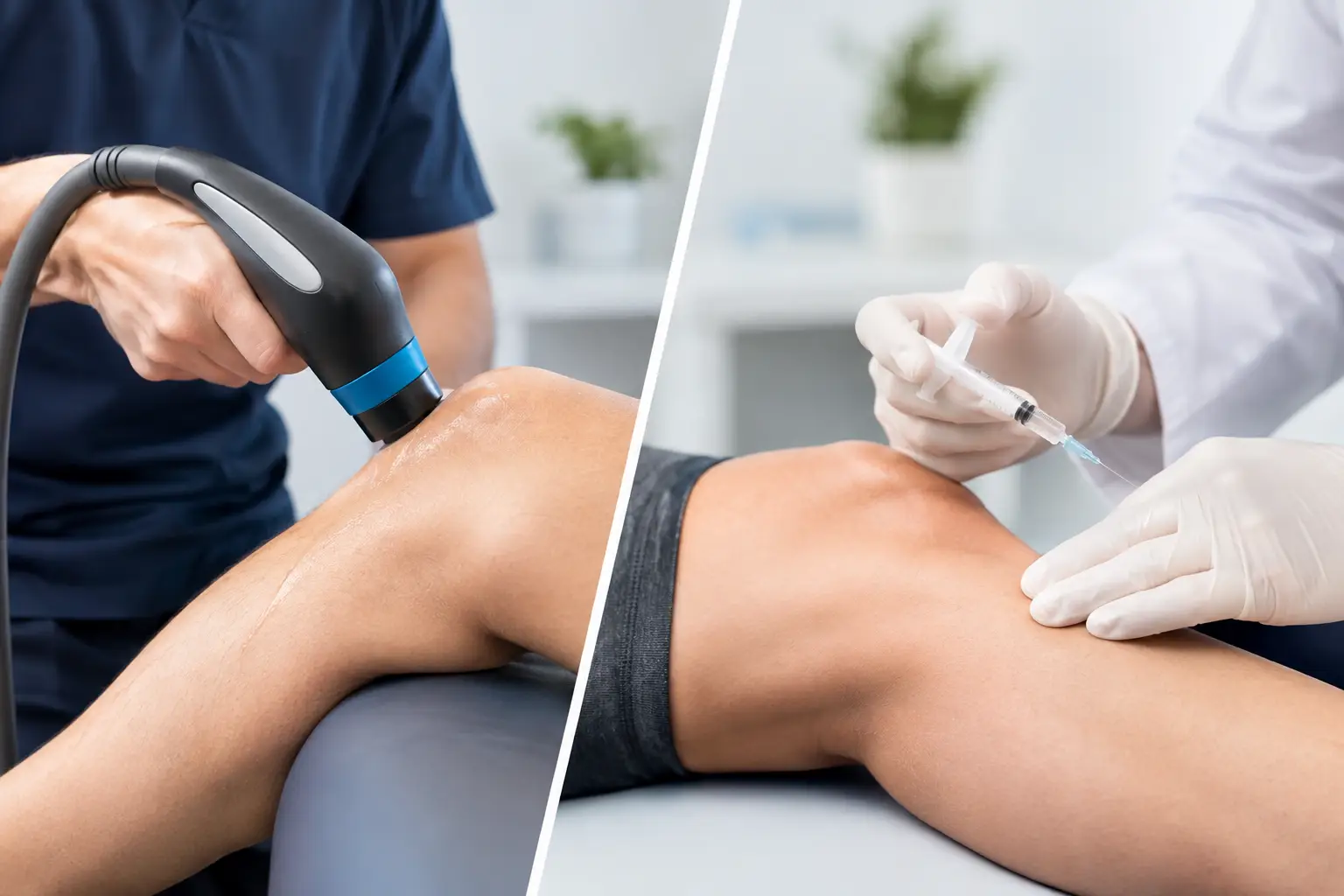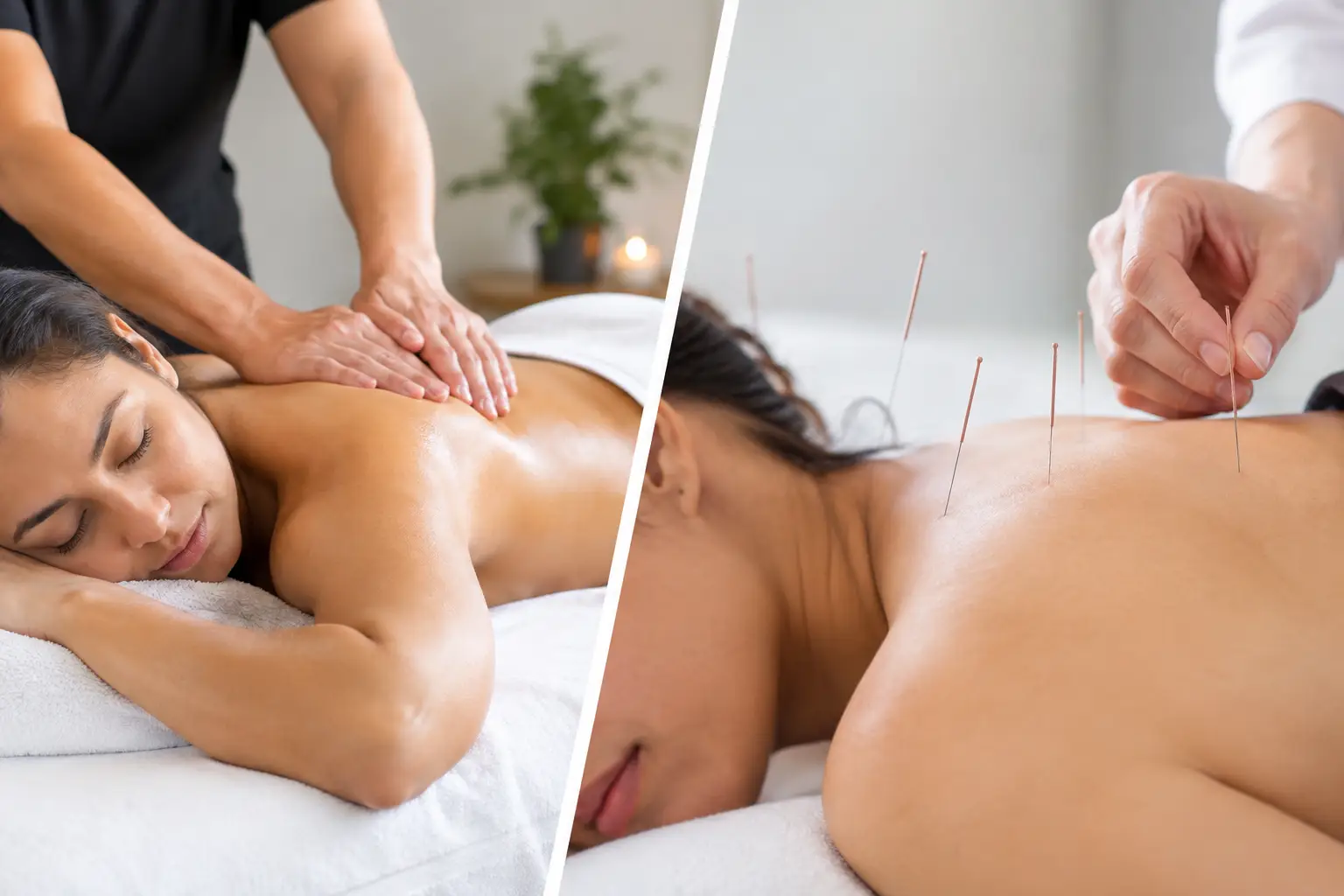
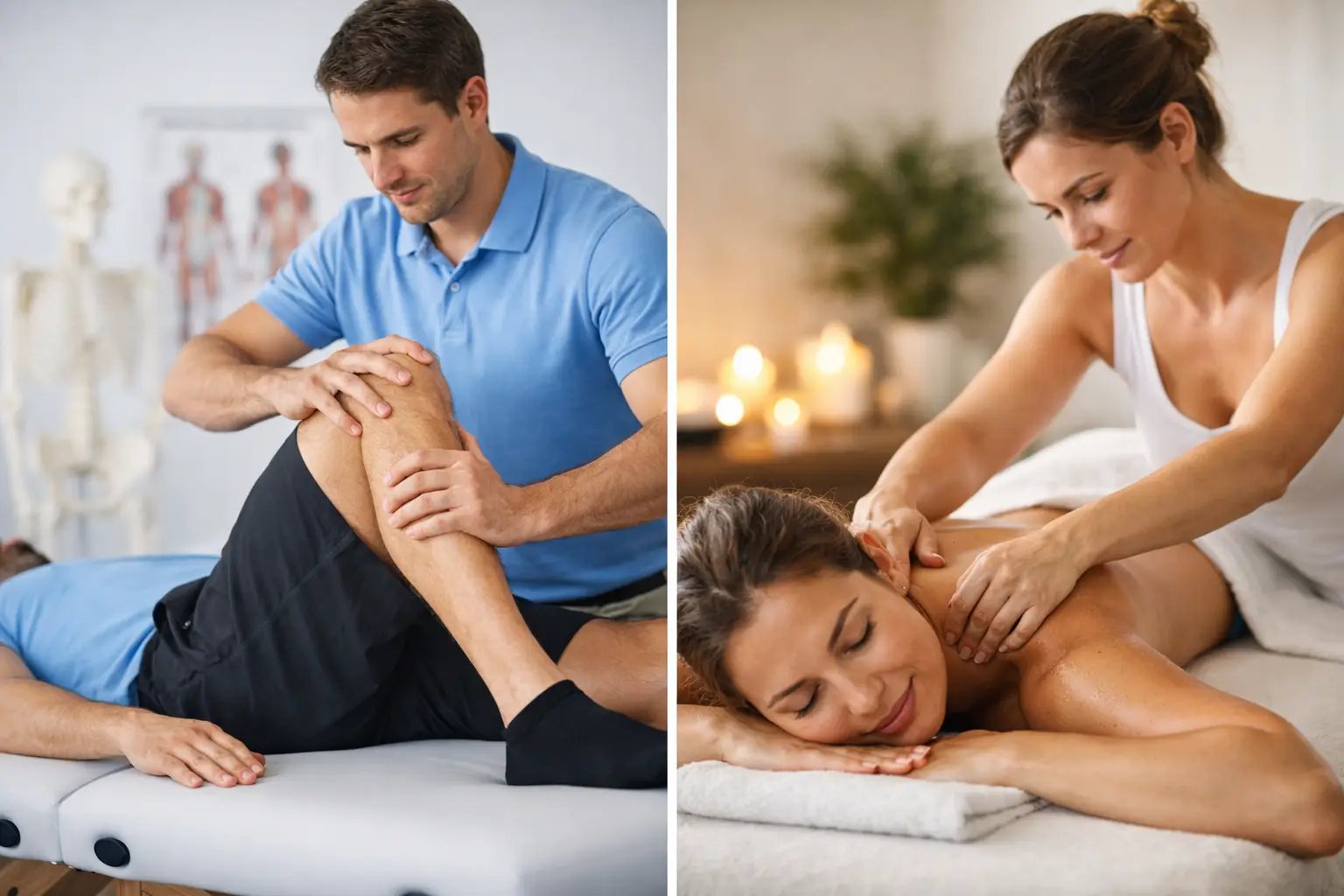
A stiff neck after long workdays, a knee that hurts on the stairs, or back pain that will not settle can leave you asking the same practical question: physiotherapy versus massage therapy – which one should I choose? Both can be valuable forms of hands-on care, but they are designed to help in different ways. The right choice depends on what is causing your symptoms, how long they have been present, and what you want to return to doing.
Physiotherapy Versus Massage Therapy: The Main Difference
Physiotherapy focuses on restoring movement, function, strength, and confidence after pain, injury, surgery, or a physical condition. A physiotherapist assesses how your body moves, identifies contributing factors, and builds a personalized plan to help you recover. Treatment may include manual therapy, guided exercise, mobility work, education, and strategies for managing daily activities without aggravating symptoms.
Massage therapy primarily uses hands-on techniques to work with muscles and other soft tissues. A registered massage therapist may use pressure, kneading, stretching, and other approaches to reduce muscle tension, promote relaxation, and ease soreness. It is often especially helpful when stress, repetitive postures, training demands, or muscle tightness are contributing to discomfort.
The difference is not that one treatment is better than the other. Physiotherapy is generally more rehabilitation-focused, while massage therapy is often more focused on soft-tissue comfort and relaxation. Many people benefit from both as part of a coordinated care plan.
When Physiotherapy May Be the Better Starting Point
Physiotherapy is often a strong first step when pain is affecting the way you move or limiting what you can do. This may include difficulty walking, lifting, reaching overhead, climbing stairs, returning to a sport, or getting through a work shift comfortably.
A physiotherapist can assess the source of the problem rather than treating only the area that hurts. For example, knee pain may be related to hip weakness, limited ankle mobility, a change in training, or the way you move during a squat or step. Low back pain can involve reduced core endurance, stiff hips, prolonged sitting, or an injury that needs a gradual return-to-activity plan.
Physiotherapy may be particularly helpful for:
- Sports injuries, including sprains, strains, tendon pain, and overuse injuries
- Recovery after surgery or a fracture
- Persistent neck, back, shoulder, hip, knee, or foot pain
- Sciatica or pain that travels into the leg
- Balance concerns, weakness, or reduced mobility
- Arthritis-related stiffness and difficulty with daily movement
Exercise is a central part of physiotherapy because lasting recovery often requires more than short-term pain relief. The goal is to improve your ability to move, build tolerance, and reduce the chance that the same issue keeps returning. That does not mean every appointment is intense exercise. Early care may focus on calming symptoms, restoring comfortable motion, and helping you understand what to avoid and what to keep doing.
When Massage Therapy May Be the Better Starting Point
Massage therapy can be an excellent choice when muscles feel tight, sore, fatigued, or overworked. It may help after a demanding week at work, a long drive, a new exercise routine, or a period of stress that has left your shoulders and jaw tense.
Many people choose massage therapy for general muscle discomfort, tension headaches, upper-back tightness, postural strain, and recovery after physical activity. A session can create a meaningful sense of relief, particularly when muscle guarding is making it difficult to relax or move freely.
Massage therapy can also support sleep and stress management. When your nervous system has been on high alert, physical tension often follows. Slowing down in a calm clinical setting and receiving skilled hands-on care may help reduce that cycle.
Still, massage is not a substitute for rehabilitation when there is a significant injury, progressive weakness, joint instability, or a specific functional goal such as returning to running after a knee injury. You may feel looser after a massage, but if the underlying issue involves movement control, strength, or tissue recovery, a physiotherapy assessment can provide the next steps.
Can You Have Both Treatments?
Yes. Physiotherapy and massage therapy often work well together because they address different parts of the recovery process. Massage may reduce muscle tension and make movement feel more comfortable. Physiotherapy can then use that improved comfort to rebuild mobility, strength, and confidence.
Consider a runner with calf tightness and Achilles pain. Massage therapy may help address surrounding muscle tension and soreness. Physiotherapy may assess running mechanics, ankle mobility, training volume, calf strength, and the tendon’s ability to handle load. Together, those approaches can be more useful than relying on either one alone.
The timing matters. After an acute injury, a physiotherapist may recommend a gentle approach and specific activity modifications before deeper tissue work is appropriate. With chronic tension or recurring soreness, massage may be a helpful addition to an ongoing exercise-based plan. Your providers should communicate clearly about your symptoms, goals, and response to treatment.
What Does Each Appointment Feel Like?
A physiotherapy appointment usually begins with a conversation about your symptoms, health history, work, activity level, and goals. Your physiotherapist may watch you walk, bend, reach, squat, or perform another movement related to your concern. From there, treatment can include hands-on techniques, exercise, taping, mobility work, and a home plan tailored to your needs.
Massage therapy appointments also begin with a health history and discussion of your concerns. Your massage therapist will explain the treatment approach and obtain your consent. Depending on your preferences and clinical needs, the session may involve lighter relaxation-based work, targeted pressure for muscle tension, or techniques focused on a particular area such as the neck, shoulders, lower back, or legs.
Neither treatment should feel like something being done to you without explanation. You should understand the purpose of care, be comfortable asking questions, and be able to say if pressure, exercise, or positioning does not feel right.
Choosing Based on Your Goal
If your primary goal is to relax, reduce muscle tension, or recover from general soreness, massage therapy may be the most direct fit. If your goal is to return to work, sport, walking, lifting, or daily activities after pain or injury, physiotherapy is often the better place to start.
If you are unsure, think about whether your problem is mainly tension or a limitation in function. Tight shoulders after a stressful month may respond well to massage. Shoulder pain that prevents you from reaching into a cabinet, sleeping comfortably, or exercising deserves a physiotherapy assessment.
There are gray areas. Someone with ongoing low back stiffness may benefit from either service, depending on the assessment. This is why personalized care matters more than choosing based on a treatment label alone.
When to Seek Medical Assessment First
Most muscle and joint concerns can be assessed safely by a licensed rehabilitation professional. However, some symptoms require prompt medical attention before massage or physiotherapy. Seek urgent care for sudden chest pain, difficulty breathing, loss of bladder or bowel control, new numbness in the groin area, severe or worsening weakness, unexplained fever, or significant swelling and redness after an injury.
You should also share any relevant medical conditions, recent surgeries, blood-thinning medication use, osteoporosis, pregnancy, cancer history, or unexplained symptoms with your provider. This helps ensure that treatment is appropriate and adapted to you.
At Active Rehab Centre, care can be coordinated across disciplines so you do not have to guess your way through recovery. A thoughtful assessment can clarify whether physiotherapy, massage therapy, or a combined plan best matches your needs.
The best next step is not to wait until a manageable ache becomes a larger limitation. Choose the care that fits your goal, ask for an individualized assessment, and give your body the support it needs to move forward with less pain and more confidence.