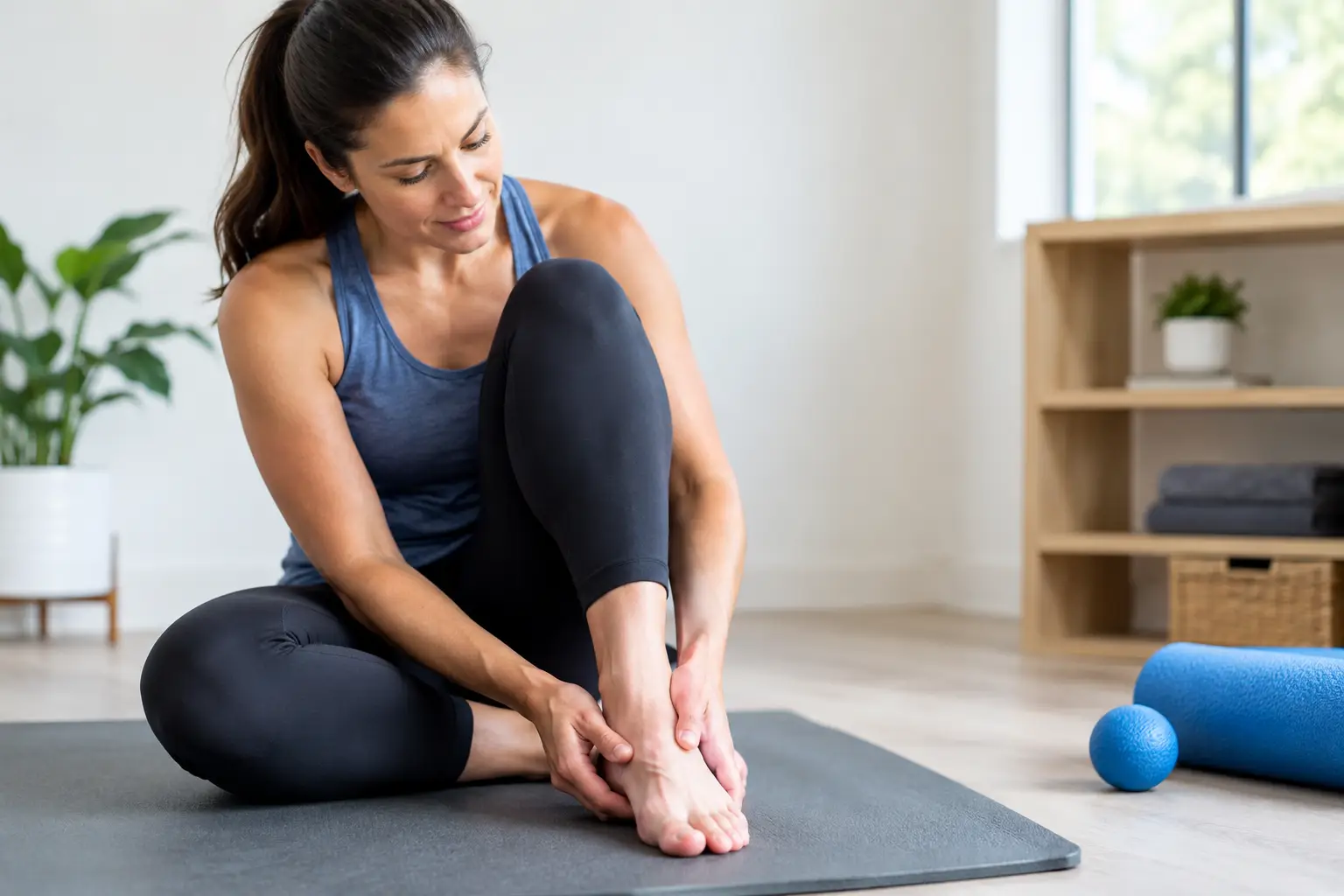

Arthritis pain can make ordinary tasks feel unexpectedly difficult. Getting out of a chair, opening a jar, walking through the grocery store, or sleeping comfortably may all require more effort when a joint is stiff, swollen, or aching. The best arthritis pain remedies are rarely one single treatment. They are usually a personalized combination of movement, symptom relief, joint protection, and professional care.
What helps most depends on the kind of arthritis you have, which joints are involved, your overall health, and how pain affects your daily life. Osteoarthritis often develops as joint cartilage changes over time, while inflammatory conditions such as rheumatoid arthritis need medical management to control the underlying inflammation. A treatment plan should address the cause of pain whenever possible, not simply help you push through it.
Start With the Right Arthritis Diagnosis
Before trying every new remedy you see online, make sure the source of your symptoms has been properly assessed. Osteoarthritis commonly causes pain that worsens with activity, stiffness after rest, reduced range of motion, and occasional swelling. Inflammatory arthritis may cause prolonged morning stiffness, warmth, swelling in several joints, fatigue, or symptoms that flare without a clear activity trigger.
This distinction matters. Gentle exercise and rehabilitation can support many forms of arthritis, but inflammatory arthritis may also require prescription medication from a physician or rheumatologist to limit joint damage. Sudden severe joint pain, a hot and very swollen joint, fever, unexplained weight loss, or pain after a fall should be assessed promptly.
Best Arthritis Pain Remedies for Daily Relief
Keep Moving, Even When You Feel Stiff
It may seem counterintuitive, but carefully chosen movement is one of the most reliable ways to reduce arthritis pain over time. When a joint is not used, the muscles around it can weaken and stiffness can increase. Stronger muscles help absorb force and reduce the load placed directly on painful joints.
Walking, cycling, water exercise, tai chi, and targeted strength training can all be useful. The best option is one you can perform consistently without a major flare afterward. For knee arthritis, strengthening the quadriceps, hips, and core may improve how the leg moves during stairs, squatting, and walking. For hand arthritis, specific mobility and grip exercises may make daily tasks easier.
Pain during exercise is not always a sign that you have caused harm, but sharp pain, increasing swelling, limping, or pain that remains significantly worse the next day means the activity may need to be adjusted. A physiotherapist can create a program that works around your current capacity rather than giving you a generic exercise sheet.
Use Heat and Cold at the Right Time
Heat is often helpful for stiffness, especially first thing in the morning or before exercise. A warm shower, heating pad, or warm towel can relax surrounding muscles and make movement feel more comfortable. Use a barrier between the heat source and your skin, and avoid falling asleep with a heating pad on.
Cold may be more useful after activity or during a flare when a joint feels swollen, warm, or irritated. An ice pack wrapped in a thin towel for a short period can reduce discomfort. Neither heat nor cold changes arthritis itself, but both can make it easier to stay active and complete your rehabilitation exercises.
Build Strength Without Overloading the Joint
Rest has a place during a significant flare, but complete inactivity can create a frustrating cycle of weakness and pain. The goal is not to train through intense symptoms. It is to find the right dose of activity.
Low-impact exercise usually places less stress on sore hips, knees, feet, and lower-back joints than running or jumping. A stationary bike, pool exercise, or short walks broken into manageable intervals may be more realistic than one long workout. Resistance bands, body-weight movements, and light weights can gradually build the strength needed for everyday movement.
A rehabilitation professional can also assess whether altered walking patterns, poor footwear support, limited hip mobility, or weak muscles are adding stress to a painful joint. Small changes in how you move can have a meaningful effect over weeks and months.
Consider Medication Carefully
Over-the-counter pain relief may help some people stay mobile, but it is not risk-free. Acetaminophen can be appropriate for certain individuals, while anti-inflammatory medications such as ibuprofen or naproxen may reduce pain and inflammation for others. These medications can interact with prescriptions and may not be suitable for people with kidney disease, ulcers, heart conditions, high blood pressure, liver disease, or blood-thinning medication.
Topical anti-inflammatory gels may provide relief for some superficial joints, such as the hands or knees, with less whole-body exposure than oral medication. Ask a physician or pharmacist what is appropriate for you, particularly if you take other medications or use pain relievers regularly.
For persistent or advanced arthritis, a physician may discuss injections, prescription medication, or referral to a specialist. These options work differently for different diagnoses, which is another reason a clear assessment matters.
Support Your Joints Outside of Exercise
Choose Joint-Friendly Daily Habits
Arthritis management continues between appointments. If a task repeatedly causes pain, consider changing how you do it instead of forcing the joint to tolerate the same strain every day. Supportive footwear can reduce stress through the feet, knees, hips, and back. A cane or brace may be useful in some cases, but should be fitted or recommended by a qualified professional so it supports movement rather than creating new compensation patterns.
Pacing is also valuable. Rather than doing all your cleaning, gardening, or errands in one long session, divide the activity into shorter blocks with planned rest. This is not giving up on activity. It is a practical way to stay active without triggering an avoidable flare.
Address Weight, Sleep, and Stress With Compassion
For people with arthritis in weight-bearing joints, gradual weight loss may reduce load through the knees, hips, and feet. But aggressive diets and guilt-based advice are rarely helpful. A realistic nutrition plan should support energy, muscle health, and long-term consistency.
Sleep can influence pain sensitivity as well. When pain interrupts rest, people often feel stiffer, more fatigued, and less able to exercise the next day. Supportive sleep positions, a consistent bedtime routine, and treatment for pain that wakes you regularly can make a difference.
Stress does not mean arthritis is “all in your head.” It can, however, increase muscle tension and make pain harder to manage. Breathing exercises, counseling, gentle movement, and practical support can be useful parts of a broader care plan.
Where Hands-On Care May Fit
Physiotherapy can help you improve mobility, strength, balance, and confidence with everyday movement. It is especially useful when arthritis pain has led you to avoid stairs, walking, exercise, work tasks, or recreational activities. Treatment may include guided exercise, manual therapy when appropriate, education about pacing, and a plan to progress safely.
Massage therapy may reduce muscle tension around painful joints and provide short-term comfort for some people. Acupuncture may also help certain individuals manage chronic pain, though results vary. These approaches are best used as part of a wider plan that includes activity and medical care when needed, rather than as a stand-alone cure.
If you are considering chiropractic care, massage, acupuncture, or other complementary treatment, tell your provider about your arthritis diagnosis, medications, joint replacements, and areas of active inflammation. Care should be adapted to your condition, particularly if a joint is swollen, unstable, or severely painful.
When Arthritis Pain Needs More Attention
Book an assessment if arthritis symptoms are limiting your work, sleep, walking, or independence, or if you are relying on pain medication just to get through the day. You do not need to wait until pain becomes severe to ask for help. Earlier support can help you maintain strength and movement before compensations become harder to change.
A personalized plan can bring together the treatments that make sense for your joints, your goals, and your schedule. The most effective next step is often a simple one: get a clear assessment, start with manageable movement, and give your body the consistent support it needs to keep doing more of what matters to you.