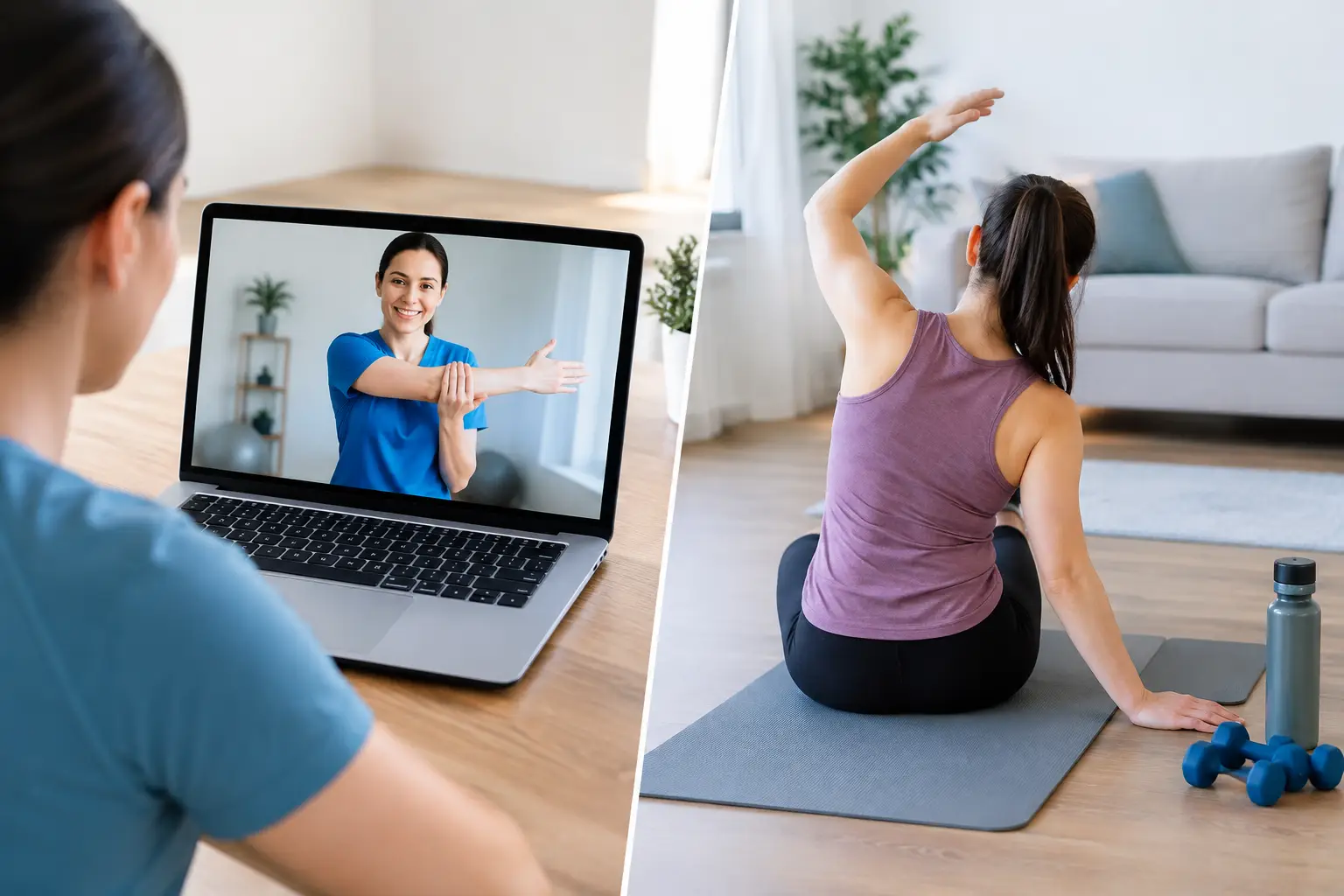

A concussion can make ordinary tasks feel unexpectedly difficult. A busy screen, a short drive, a meeting at work, or a walk through a bright grocery store may bring on headache, dizziness, fatigue, or mental fog. This guide to concussion rehabilitation explains how a structured, individualized approach can help you return to daily life, work, school, and activity with greater confidence.
A concussion is a mild traumatic brain injury, but the word “mild” can be misleading. Symptoms can significantly affect how you feel and function, particularly in the first days and weeks after an injury. Recovery is not about pushing through symptoms or staying in a dark room indefinitely. It is about getting the right assessment, managing your symptoms, and progressing at a pace your body can tolerate.
Start With Medical Assessment and Safety
Anyone with a suspected concussion should be evaluated by a qualified health professional. Symptoms may start right away, but they can also develop or become more noticeable over the next several hours. Common symptoms include headache, nausea, dizziness, balance problems, blurred vision, sensitivity to light or noise, fatigue, irritability, sleep changes, difficulty concentrating, and feeling slowed down.
Seek urgent medical care immediately for worsening headache, repeated vomiting, increasing confusion, loss of consciousness, seizure, weakness or numbness, slurred speech, unusual behavior, severe neck pain, or one pupil larger than the other. These can be warning signs of a more serious injury and should not be managed at home.
A proper assessment also looks beyond the head injury itself. A fall, car accident, sports collision, or workplace injury can affect the neck, jaw, inner ear, vision system, and nervous system at the same time. Treating only one symptom may leave other contributors unaddressed.
The First 24 to 48 Hours: Rest Without Withdrawing
For the first day or two after a concussion, relative rest is usually appropriate. This means avoiding activities that significantly worsen symptoms, including strenuous exercise, alcohol, recreational drugs, contact sports, and situations with a risk of another head injury.
Relative rest does not mean complete isolation for days. Prolonged inactivity can make sleep disruption, anxiety, low mood, and deconditioning worse for some people. If tolerated, brief periods of light activity such as a short walk, quiet conversation, or simple household tasks may be appropriate. The key is to stay below the level that causes a meaningful or lasting symptom flare.
Screens are another common concern. You do not necessarily need to avoid every phone, computer, or television screen, but use them strategically. Reduce brightness, increase text size, take frequent breaks, and stop before symptoms become intense. For a working professional, that may mean beginning with short email sessions rather than attempting a full day of video meetings.
A Guide to Concussion Rehabilitation: Gradual Progression Matters
After the initial rest period, most people benefit from a gradual return to normal physical and cognitive activity. The goal is not to wait until every symptom disappears before doing anything. Instead, rehabilitation introduces manageable activity and monitors your response.
A mild, temporary increase in symptoms can happen as you become more active. What matters is the pattern. If symptoms rise only slightly and settle soon after you stop, the activity level may be reasonable. If a headache, dizziness, or fatigue spike lasts for hours or carries into the next day, the workload was likely too high and should be adjusted.
Progression should be individualized. Someone recovering from a sports injury may be working toward a return-to-play protocol, while someone injured in a car accident may need a gradual return-to-work plan. A parent managing a household, an older adult with balance concerns, and a student facing exams all have different functional goals.
Rather than relying on a fixed calendar, your provider may guide you through stages that move from light daily activity to more demanding exercise, job tasks, schoolwork, driving, or sport-specific training. You should not return to contact sports or other high-risk activities until you have been medically cleared.
Treating the Symptoms That Are Slowing You Down
Concussion symptoms do not all come from the same source. This is why personalized rehabilitation can be more effective than a one-size-fits-all plan.
Headache and Neck Pain
Headache after a concussion may be linked to the injury itself, but it can also be influenced by neck muscle strain, restricted neck movement, poor sleep, stress, or changes in posture. Neck pain is especially common after falls and motor vehicle accidents.
A licensed physiotherapist can assess neck mobility, muscle tension, posture, and movement patterns. Hands-on care, gentle mobility work, strengthening, and practical advice for workstations and sleep positions may be part of a treatment plan. Your provider will determine what is safe based on your symptoms and medical history.
Dizziness and Balance Problems
Dizziness may occur when the vestibular system, which helps control balance and spatial awareness, is not processing information normally after injury. Some people feel lightheaded. Others experience spinning, motion sensitivity, unsteadiness, or discomfort in busy environments such as stores or transit stations.
Vestibular rehabilitation uses specific exercises to help the brain and balance system adapt. These exercises need to be prescribed carefully. Doing too much too soon can worsen symptoms, while avoiding all movement can delay improvement. A tailored program may include gaze-stabilization work, balance training, walking progressions, and gradual exposure to visually busy settings.
Vision, Concentration, and Screen Intolerance
Reading, scrolling, and tracking moving objects can be exhausting after a concussion. You may lose your place on a page, struggle to focus your eyes, or find that a few minutes on a computer triggers a headache.
Rehabilitation may include pacing strategies, visual exercises when appropriate, scheduled breaks, and adjustments to your work or study environment. If symptoms suggest a significant vision issue, referral to the appropriate eye-care or concussion professional may be recommended.
Fatigue, Sleep, and Emotional Changes
Fatigue is not a sign that you are failing to recover. Your brain and body may be using more energy than usual to manage daily demands. Establishing consistent sleep and wake times, limiting late-day caffeine, taking short planned rest breaks, and gradually rebuilding physical activity can help.
Mood changes can also be part of concussion recovery. Feeling frustrated, worried, irritable, or low is common when symptoms interfere with work, family responsibilities, and independence. Psychotherapy or counseling can be a valuable part of care, particularly when anxiety, low mood, pain, or fear of reinjury is making recovery harder.
Return to Work, School, and Exercise
Trying to resume everything at once can lead to setbacks. A gradual plan gives you a better chance of staying involved while allowing your symptoms to guide the pace.
At work, temporary adjustments may include shorter shifts, more frequent breaks, reduced screen exposure, a quieter workspace, lighter physical duties, or fewer tasks that require rapid multitasking. Students may benefit from extra time, reduced course demands, printed materials, rest periods, and a staged return to tests or full class days.
Exercise can be helpful once it is introduced safely. Light aerobic activity, such as walking or stationary cycling, is often progressed under professional guidance. The right intensity depends on your symptoms, injury history, cardiovascular health, and whether neck or balance problems are present. More is not always better. Consistency at a tolerable level is usually more useful than a hard workout followed by two difficult days.
Why Multidisciplinary Care Can Help
Persistent symptoms are often not solved by one treatment alone. A coordinated plan may combine physiotherapy for neck, balance, and graded exercise; massage therapy for soft-tissue tension when appropriate; psychotherapy for emotional support and coping strategies; and medical oversight for diagnosis, medications, or referrals.
At Active Rehab Centre, licensed practitioners can help identify which factors may be contributing to your symptoms and build a plan around your specific goals. Whether you need to return to an office, manage family life, get back to training, or simply feel steady during a normal day, care should be centered on what recovery looks like for you.
When Symptoms Last Longer Than Expected
Many people improve within days to weeks, but recovery timelines vary. Symptoms may last longer when there is a history of previous concussions, migraine, anxiety, sleep difficulties, neck injury, or significant stress. This does not mean you will not recover. It means your plan may need more targeted support.
If symptoms are not improving, are getting worse, or continue to interfere with everyday life, follow up with a healthcare professional. Persistent concussion symptoms deserve a thorough reassessment rather than being dismissed as something you simply need to tolerate.
Recovery is rarely perfectly linear. A good day followed by a harder day does not erase your progress. With appropriate medical guidance, steady pacing, and treatment that addresses the symptoms in front of you, each manageable step can move you closer to feeling like yourself again.