
Your neck is not designed to hold your head forward for hours while you answer emails, scroll, attend video calls, or look down at a laptop. That repeated position can leave you with stiffness at the base of the neck, aching shoulders, headaches, and a tight upper back by the end of the day. Learning how to fix tech neck starts with changing the positions and habits that keep irritating the area, then rebuilding strength and movement tolerance.
Tech neck is common, but persistent discomfort is not something you simply have to accept as part of work or modern life. Small adjustments can make a meaningful difference. If pain is frequent, severe, or interfering with sleep, work, exercise, or driving, a licensed healthcare professional can help identify what is contributing and create a plan that fits your body and routine.
What Causes Tech Neck?
Tech neck is a nonmedical term for neck and upper-back symptoms related to prolonged forward-head posture. Your head weighs roughly 10 to 12 pounds when it is balanced over your shoulders. As your chin moves forward and your head tilts down, the muscles and joints in your neck and upper back have to work harder to support it.
The problem is rarely one bad posture for a few minutes. It is more often the total time spent in the same position. A phone held near your lap, a laptop placed too low, long commutes, and a desk setup that encourages you to lean forward can all add up. Stress can intensify the issue because many people unconsciously raise their shoulders or clench their jaw while concentrating.
Not everyone with forward-head posture will have pain, and posture alone does not explain every neck problem. Previous injury, reduced shoulder mobility, arthritis, nerve irritation, poor sleep, and workload can also play a role. That is why the best approach focuses on your symptoms, movement, daily demands, and recovery rather than trying to hold a perfectly rigid posture all day.
How to Fix Tech Neck at Home
The goal is not to force your shoulders back or keep your neck perfectly still. Your body benefits from regular movement and better-supported working positions. Start with changes you can realistically repeat every day.
Raise the screen, not your chin
Position your main screen so the top third is around eye level. If you work from a laptop, use a stand or stable stack of books and connect an external keyboard and mouse when possible. This allows you to look ahead instead of bending your neck toward the screen.
For phone use, bring the device closer to eye level and support your elbows against your body or a pillow. You do not need to hold your phone high for every text message. The difference comes from reducing long, uninterrupted periods of looking down.
Break up stillness
A well-designed workstation cannot fully offset sitting in one position for several hours. Set a reminder to stand, walk, or change positions every 30 to 60 minutes. Even one or two minutes can reduce muscle tension and give stiff joints a chance to move.
Use those breaks to look across the room, gently roll your shoulders, or take a short walk to refill water. If a busy workday makes frequent breaks difficult, pair movement with tasks you already do, such as taking calls while standing or moving after each meeting.
Try gentle neck and upper-back exercises
Exercises should feel controlled and mildly effortful, not sharp or worsening. Start with one set of the following movements once or twice a day, then adjust based on how your body responds.
Chin tucks: Sit or stand tall and look straight ahead. Gently glide your head backward as if making a small double chin, without tipping your head down. Hold for three to five seconds, then relax. Repeat 8 to 10 times.
Shoulder blade squeezes: Let your shoulders relax away from your ears. Slowly draw your shoulder blades slightly back and down, as though you are placing them into your back pockets. Hold for five seconds and repeat 8 to 10 times. Avoid forcefully pinching them together.
Upper-back extension: Sit in a chair with a supportive backrest. Place your hands behind your head, keep your chin relaxed, and gently lean your upper back over the chair. Return to neutral and repeat 6 to 8 times. The movement should come from the upper back, not from cranking your neck backward.
Chest stretch: Stand in a doorway with one forearm on the frame and take a small step forward until you feel a light stretch across the chest and front of the shoulder. Hold for 20 to 30 seconds on each side. This can be helpful when long periods of sitting leave the front of the body feeling tight.
If an exercise causes tingling, radiating pain, dizziness, or symptoms that last well after you stop, discontinue it and seek professional guidance.
Build strength beyond the neck
A stronger upper back, shoulders, and core can make it easier to tolerate desk work, training, and daily activities. Rows, band pull-aparts, wall slides, and appropriately progressed resistance training may help, especially when guided by a physiotherapist or chiropractor who can adapt the plan to your needs.
More exercise is not always better at the beginning. If your neck is highly irritated, start with gentle mobility, shorter work intervals, and low-load strengthening. As symptoms settle, gradual progression is more effective than pushing through pain and triggering a flare-up.
Daily Habits That Help Neck Pain Settle
Your sleep setup can either support recovery or leave you waking up stiff. A pillow should fill the space between your head and mattress without forcing your neck sharply upward or downward. Side sleepers often need a pillow that supports the space between the ear and shoulder, while back sleepers usually do better with a lower profile. Stomach sleeping can keep the neck rotated for long periods, so reducing it may help some people.
Heat can be soothing for muscle tightness. A warm shower, heating pad, or warm compress for 15 to 20 minutes may make movement more comfortable. For a recent strain with swelling or acute soreness, a cold pack may feel better. Protect your skin and use either option as a comfort measure, not as a substitute for addressing the positions and demands that keep provoking symptoms.
Pay attention to jaw tension, too. If you catch yourself clenching during work, let your teeth separate slightly, rest your tongue gently on the roof of your mouth, and lower your shoulders. This simple reset can reduce unnecessary tension through the jaw, neck, and upper shoulders.
When to Get Professional Help for Tech Neck
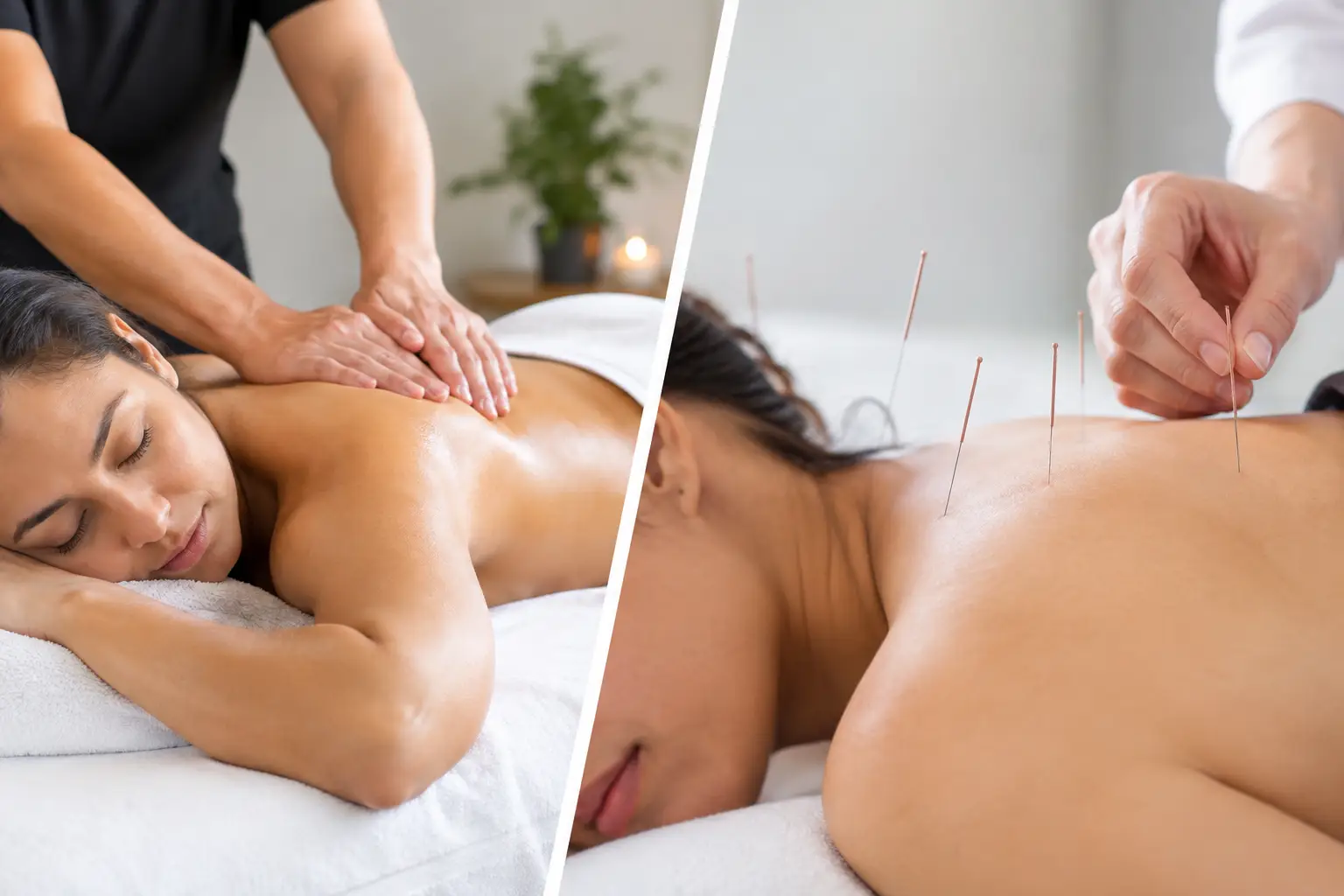
Home changes are a good first step for mild, recent symptoms. However, an assessment is worthwhile when pain is not improving after a few weeks, keeps returning, or limits your normal activities. A physiotherapist can assess mobility, strength, work habits, and movement patterns, then provide targeted exercise and hands-on treatment. Chiropractic care, massage therapy, acupuncture, and other services may also be appropriate depending on the cause of your symptoms and your preferences.
Seek prompt medical care if neck pain follows a significant accident or comes with warning signs such as:
- numbness, tingling, or weakness in an arm or hand
- pain that shoots down the arm or is steadily getting worse
- severe headache, dizziness, fainting, or changes in vision
- fever, unexplained weight loss, or new problems with balance or coordination
These symptoms do not always indicate a serious condition, but they need proper evaluation rather than self-treatment alone.
At Active Rehab Centre, a personalized assessment can help determine whether your discomfort is primarily related to posture, muscle tension, joint stiffness, an old injury, or nerve irritation. The right plan may combine hands-on care, practical workstation guidance, and exercises that fit your schedule instead of asking you to overhaul your life overnight.
Your phone and computer do not have to be the enemy. The most helpful change is building regular movement, better screen habits, and the confidence to get support when your neck is telling you it needs more than another stretch.