
Stress rarely stays in your head. It settles into your neck before the workday is over, tightens your shoulders during your commute, and shows up as jaw pain, headaches, low back tension, or restless sleep at night. That is why massage therapy for stress relief can be more than a relaxing treat. For many people, it is a practical part of staying functional, comfortable, and well.
At a clinic level, stress is not just an emotional complaint. It often comes with physical symptoms that affect how you move, work, and recover. When muscles stay guarded for too long, you may notice stiffness, shallow breathing, fatigue, irritability, and pain that seems to return no matter how often you stretch. Massage therapy helps interrupt that pattern by calming the nervous system and reducing tension that has built up over time.
How massage therapy for stress relief helps the body
When you are under pressure, your body shifts into a protective state. Muscles tighten, breathing becomes less efficient, and it can feel harder to fully relax even when the day is done. Over time, that constant state of alert can contribute to neck pain, shoulder tightness, headaches, jaw tension, and discomfort through the low back and hips.
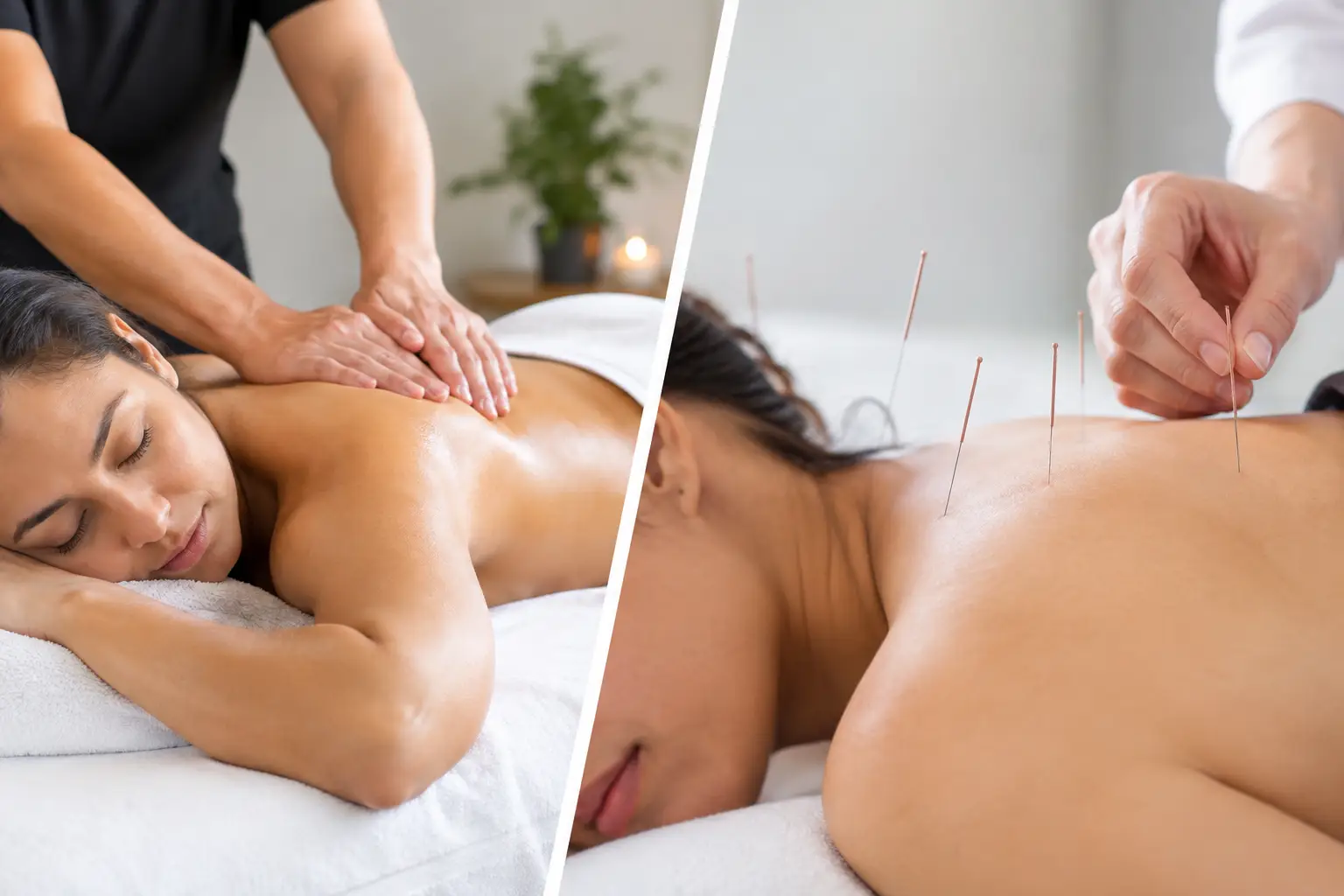
Massage therapy works through hands-on techniques that target soft tissues such as muscles, fascia, and connective tissue. The immediate goal is often simple: reduce tension and help you feel better. The bigger value is that better tissue mobility and a calmer nervous system can support improved sleep, easier movement, and less strain during daily activities.
For some patients, the biggest change is physical. They can turn their head more easily, sit at a desk with less discomfort, or wake up without a pounding tension headache. For others, the shift is more general but still meaningful. They feel less wound up, less fatigued, and more able to cope with the demands of work, family, training, or recovery.
Stress relief is not one-size-fits-all
A lot of people assume massage should always be deep and intense to be effective. That is not necessarily true. The right approach depends on your body, your symptoms, and what is driving your stress response in the first place.
If you are dealing with generalized tension and poor sleep, a gentler treatment may be the better fit. If your stress is showing up as chronic upper back tightness or tension headaches from long hours at a desk, a more focused treatment plan may help. If you are already managing an injury, the massage approach also needs to account for healing tissues, inflammation, and how your body is compensating.
This is where personalized care matters. A licensed massage therapist should not just ask where it hurts. They should also look at how often your symptoms happen, what seems to trigger them, how they affect your day, and whether massage should be combined with other treatments or home strategies.
What symptoms often improve with massage therapy for stress relief
Stress does not always look dramatic. Sometimes it is the patient who says they are just sore all the time, or the one who cannot get comfortable at their desk, or the person whose shoulders seem permanently raised. In practice, massage therapy may help with several stress-related complaints.
Neck and shoulder tension are among the most common. These areas often tighten in response to long hours of sitting, computer use, driving, and emotional stress. Headaches can also improve when muscle tension through the neck, scalp, jaw, and upper back is reduced.
Massage may also help when stress contributes to low back tightness, poor posture, general muscle fatigue, and disrupted sleep. Some people notice they breathe more deeply after treatment, which can make a real difference if stress has been keeping their body in a guarded state. Others feel the greatest benefit over time, when regular sessions help prevent tension from building to the same painful level.
That said, massage is not a cure-all. If your symptoms include numbness, significant weakness, dizziness, chest pain, or unexplained swelling, those need proper medical assessment. Good care means knowing when massage is appropriate and when another evaluation should come first.
What to expect from a treatment plan
For stress-related tension, one session can absolutely help, but lasting change usually comes from a plan rather than a single appointment. That plan does not need to be complicated. It may simply involve treatment at a frequency that matches how long your symptoms have been building and how quickly they return.
During an initial visit, your therapist should ask about your health history, current symptoms, daily demands, and treatment goals. If you spend most of your day at a computer, carry stress in your jaw, or are recovering from another condition such as a back injury, those details matter. They shape the treatment.
A session may include work through the neck, shoulders, upper back, low back, hips, scalp, or jaw depending on your presentation. Pressure should be adjusted to your comfort and your tissue response, not based on the idea that stronger is always better. Mild soreness after treatment can happen, especially if tissues have been tight for a long time, but you should not feel beaten up.
Most patients also benefit from simple guidance between sessions. That might include changing desk setup, taking short movement breaks, improving sleep position, or using breathing exercises to reduce tension before it escalates. Massage works best when it is part of a bigger strategy for reducing strain on the body.
When massage works even better with other care
Stress-related pain is often layered. You may have muscle tension from work stress, but you may also have poor posture, a previous injury, reduced strength, or limited mobility making the problem harder to shake. In those cases, massage can be very effective, but it may not be the only service you need.
For example, someone with recurring neck and shoulder tightness might benefit from massage to reduce guarding and improve comfort, then physiotherapy to restore mobility and strengthen the areas that are not supporting posture well. A patient dealing with stress and persistent headaches may also need assessment of the jaw, upper cervical spine, or workplace ergonomics. Someone with stress that is strongly affecting sleep, mood, or coping may benefit from coordinated support that also addresses the mental and emotional side of the issue.
This integrated model is one reason many patients prefer a multidisciplinary setting like Active Rehab Centre. When your care team can look at stress, pain, movement, and recovery together, treatment tends to be more targeted and more practical.
Who is a good candidate for massage therapy
Massage can be a strong option for working professionals with desk tension, active adults balancing training and recovery, parents carrying physical and mental load, and older adults dealing with chronic tightness or pain flare-ups. It is also useful for people who know stress is affecting their body but are not sure where to start.
You do not need to wait until symptoms become severe. In fact, earlier care often makes treatment simpler. Addressing muscle tension before it turns into persistent headaches, poor sleep, or ongoing pain can help you stay more comfortable and productive.
Still, timing matters. If you are in the acute stage of an injury, have a new medical diagnosis, or are unsure whether your symptoms are stress-related at all, it is worth getting assessed first. The safest and most effective care starts with knowing what you are treating.
Choosing the right provider
Not every massage experience is the same. If your goal is real stress relief with meaningful physical benefit, look for a licensed provider who takes a clinical, individualized approach. That means they ask questions, adapt treatment to your needs, explain what they are doing, and make space for your comfort level.
Convenience matters too. When booking is easy, scheduling is flexible, and insurance options are straightforward, it becomes easier to stick with care long enough to see results. For many patients, that consistency is what turns massage from occasional relief into part of a healthier routine.
Stress has a way of convincing people to push through one more week, one more deadline, one more flare-up. But when your body is already telling you it is overloaded, relief should not be an afterthought. The right treatment can help you feel calmer, move easier, and get back to your day with less tension following you around.