
When arthritis starts shaping your day around pain, even simple tasks can feel bigger than they should. Arthritis pain management therapy is not about pushing through discomfort or relying on one quick fix. It is about finding the right mix of treatments that eases pain, improves movement, and helps you stay active with more confidence.
For many people, arthritis shows up gradually. A knee feels stiff after sitting too long. Your hands ache when opening jars. Your lower back or hips complain after a short walk. Over time, those small limitations can affect work, exercise, sleep, and mood. That is why a thoughtful treatment plan matters. Good care looks beyond the sore joint and asks what is driving the pain, what movements have become harder, and what will make the biggest difference in your daily life.
What arthritis pain management therapy really means
Arthritis is not one single problem. Osteoarthritis, rheumatoid arthritis, post-traumatic arthritis, and inflammatory joint conditions can all create pain, but they do not behave the same way. That is one reason therapy should never be generic. A treatment approach that helps one person may only partly help another.
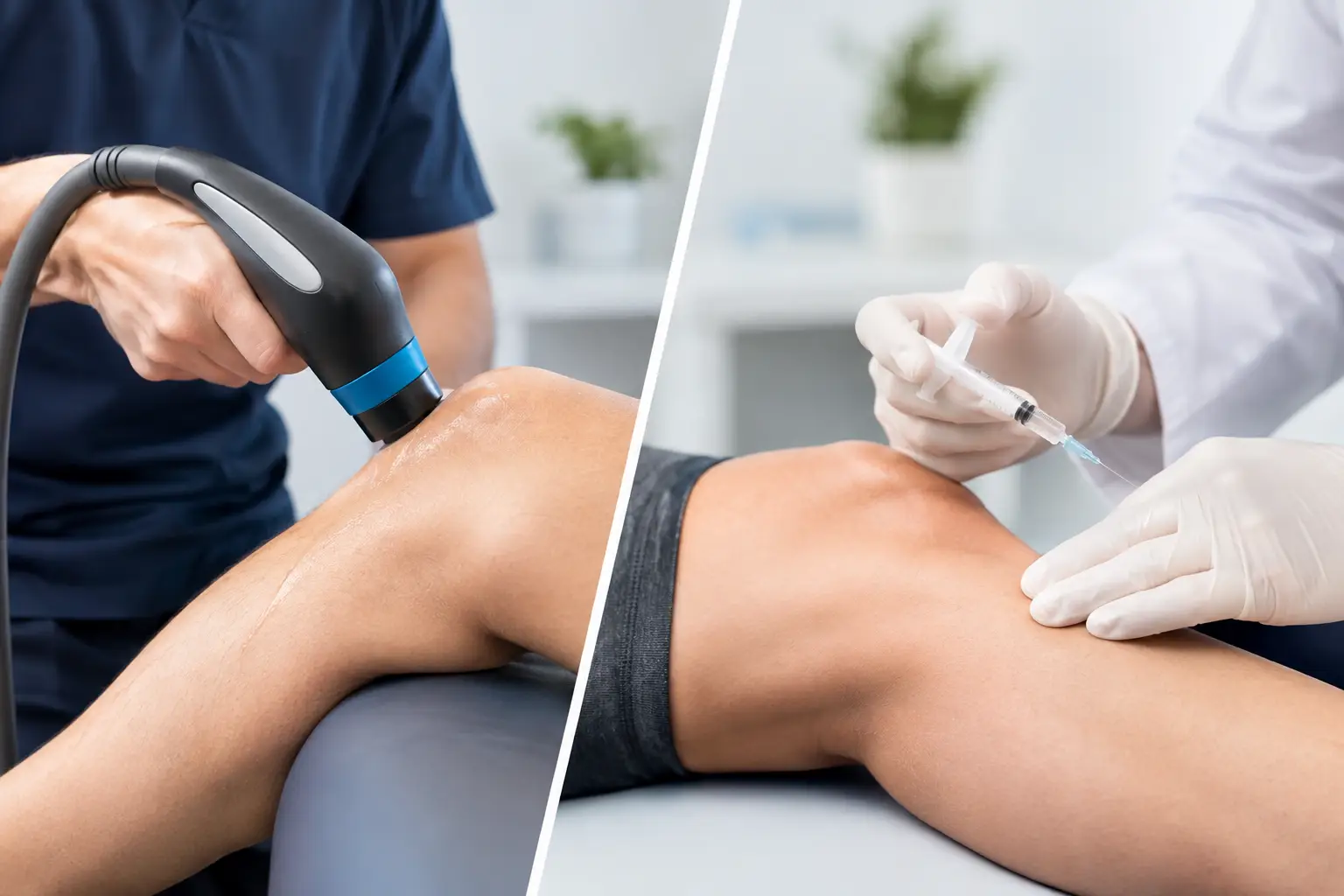
In practice, arthritis pain management therapy usually combines pain relief with strategies to protect function. The goal is not only to calm symptoms during a flare-up. It is also to help the joint move better, support surrounding muscles, reduce strain on irritated tissues, and make everyday activities more manageable. For some people, that means hands-on treatment and guided exercise. For others, it may also include acupuncture, massage therapy, or a broader rehab plan that addresses posture, balance, and activity habits.
There is a trade-off to understand here. Rest can help settle an irritated joint, but too much rest often leads to more stiffness and weakness. Activity is important, but the wrong type or amount can worsen symptoms. Effective therapy sits in the middle. It helps you stay moving without overloading the joint.
Why personalized arthritis pain management therapy works better
Arthritis pain is rarely just about cartilage or inflammation on its own. Muscles around the joint often become weak or tight. You may start compensating without realizing it, shifting weight away from one leg, gripping differently with your hand, or avoiding stairs. Those changes can create new stress in other areas.
That is why evaluation matters. A clinician may look at joint mobility, swelling, muscle strength, walking pattern, balance, posture, and how symptoms change with activity. They also need to understand your routine. Someone who stands all day at work has different demands than someone caring for grandchildren or trying to return to recreational sports.
A personalized plan gives you a better chance of steady progress because it matches treatment to your symptoms, stage of arthritis, and goals. If pain is the main barrier, early sessions may focus on reducing irritation. If stiffness and loss of function are bigger issues, mobility work and strengthening may take priority. If flare-ups keep interrupting your routine, education becomes a major part of care.
Treatments that can be part of an effective plan
Physical therapy is often one of the most useful foundations for arthritis care. Targeted exercise helps strengthen the muscles that support the joint, improve range of motion, and reduce the load that painful areas carry throughout the day. This does not mean aggressive workouts. In many cases, the best exercises are controlled, low-impact, and progressed gradually.
Hands-on therapy can also help, especially when stiffness and restricted motion are major problems. Joint mobilization, soft tissue work, and guided movement can improve comfort and make it easier to move more naturally. Many patients find that once pain settles even slightly, they are better able to stick with home exercises that support long-term change.
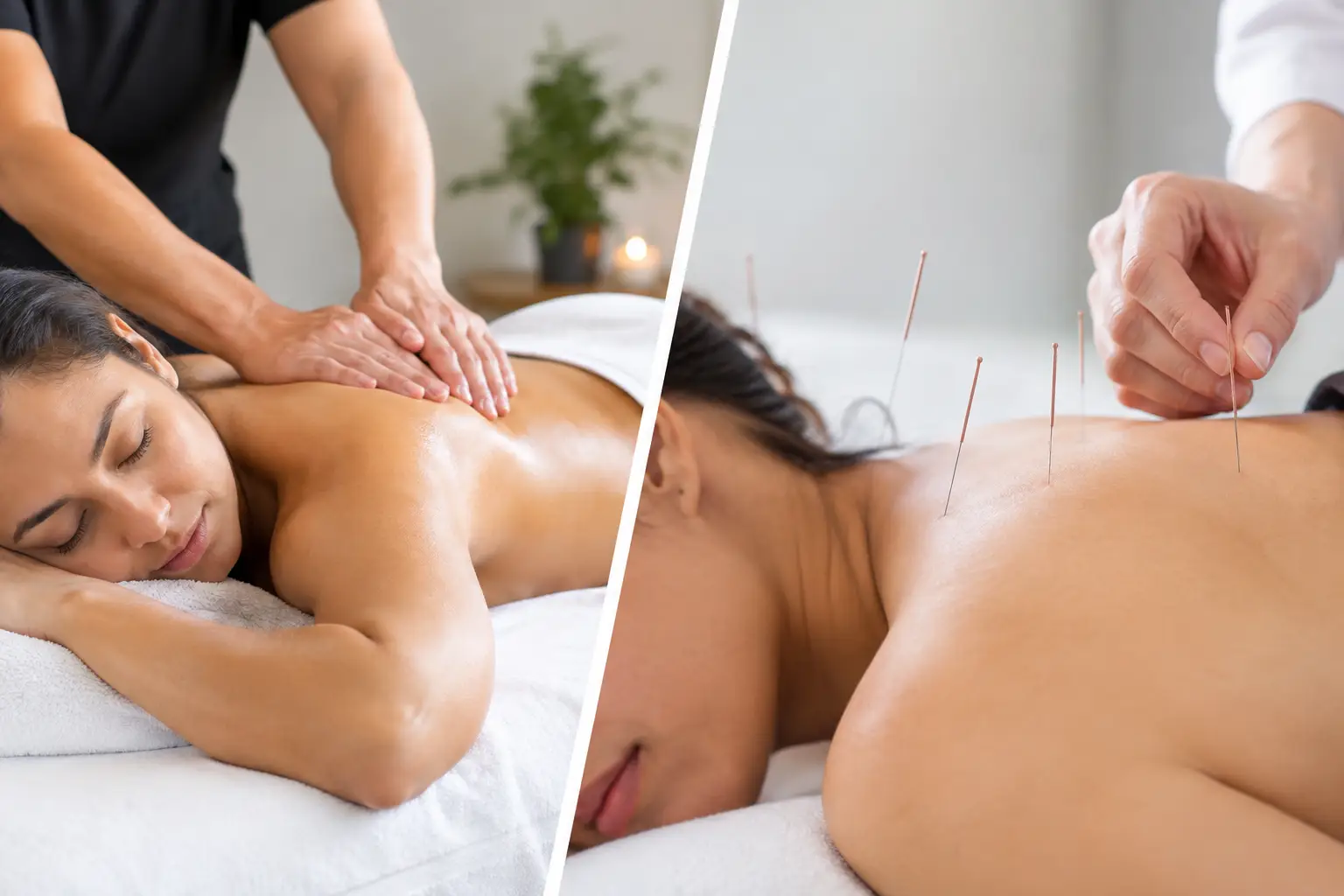
Massage therapy may be helpful when arthritis leads to muscle tension around the affected area. It does not reverse arthritis, but it can reduce guarding, improve circulation, and make movement feel less effortful. That can be especially useful for people whose pain has caused the whole region to tighten up.
Acupuncture is another option some patients use as part of a broader pain management plan. For certain people, it can help reduce pain sensitivity and support relaxation, especially during periods of higher discomfort. The results vary from person to person, which is why it is best viewed as one tool rather than the whole strategy.
In some cases, chiropractic care may also have a role, particularly when joint mechanics, spinal stiffness, or related movement issues are contributing to discomfort. As with any treatment, the right fit depends on the joint involved, the type of arthritis, and your overall health picture.
A multidisciplinary setting can be especially valuable because arthritis often affects more than one part of the body at once. If knee pain changes how you walk, your hip or back may start to hurt too. Coordinated care allows treatment to address the bigger pattern, not just one sore spot.
Exercise matters, but the dosage matters more
One of the biggest myths around arthritis is that exercise will wear the joint out faster. In reality, the right amount of exercise usually helps. The challenge is finding the level your body can handle consistently.
Low-impact options such as walking, cycling, stretching, and guided strengthening are often good starting points. But even helpful exercise can backfire if you jump too far too fast. A small increase in soreness after activity can be normal. Sharp pain, lasting swelling, or symptoms that stay elevated for days are signs that the plan needs adjustment.
This is where professional guidance makes a difference. Progression should be based on how your joint responds, not on a fixed template. Some people need shorter, more frequent sessions. Others do better with strength work every other day and mobility exercises daily. The best program is the one you can maintain without triggering repeated setbacks.
Managing flare-ups without losing momentum
Arthritis symptoms often come in waves. You may feel relatively good one week and much worse the next. That does not always mean damage is rapidly progressing. Sometimes it reflects changes in activity, stress, sleep, weather sensitivity, or inflammation levels.
A good therapy plan includes flare-up strategies. That may involve temporarily reducing load, modifying exercises, using gentle movement to prevent stiffness, and adding supportive treatments to calm pain. The key is avoiding the all-or-nothing cycle where a flare-up leads to complete rest, followed by deconditioning and even more discomfort.
Patients often do better when they know what signs to watch for and how to respond early. That confidence matters. Pain feels less overwhelming when you have a plan.
Daily habits that support therapy
Treatment sessions are important, but what you do between visits matters just as much. Small adjustments can lower stress on painful joints and help you get more from therapy.
Pacing is one of the most practical tools. Instead of pushing through an entire task and paying for it later, breaking activity into manageable pieces can protect your energy and reduce symptom spikes. Supportive footwear, better workstation setup, and changes to lifting or stair use can also make a real difference.
Weight management may help some people, particularly when arthritis affects weight-bearing joints like the knees and hips. This is not about blame. It is about reducing mechanical stress where possible and improving overall health in a realistic, supportive way.
Sleep and stress also deserve attention. Poor sleep can increase pain sensitivity. Chronic stress can heighten muscle tension and make flare-ups feel harder to handle. When needed, broader wellness support can be part of a more complete arthritis care plan.
When to seek help for arthritis pain management therapy
If joint pain is limiting your routine, waking you up at night, making you avoid movement, or causing repeated flare-ups, it is worth getting assessed. You do not need to wait until pain becomes severe. Early support can help you stay active and may prevent the pattern of weakness, stiffness, and compensation that often builds over time.
At Active Rehab Center, this kind of care works best when it is built around the person, not just the diagnosis. One-on-one treatment, a clear plan, and the option to combine therapies can make arthritis feel more manageable and daily life more doable.
The right therapy will not promise perfect joints or instant results. What it can do is help you move with less pain, understand your body better, and regain trust in what your joints can still do.