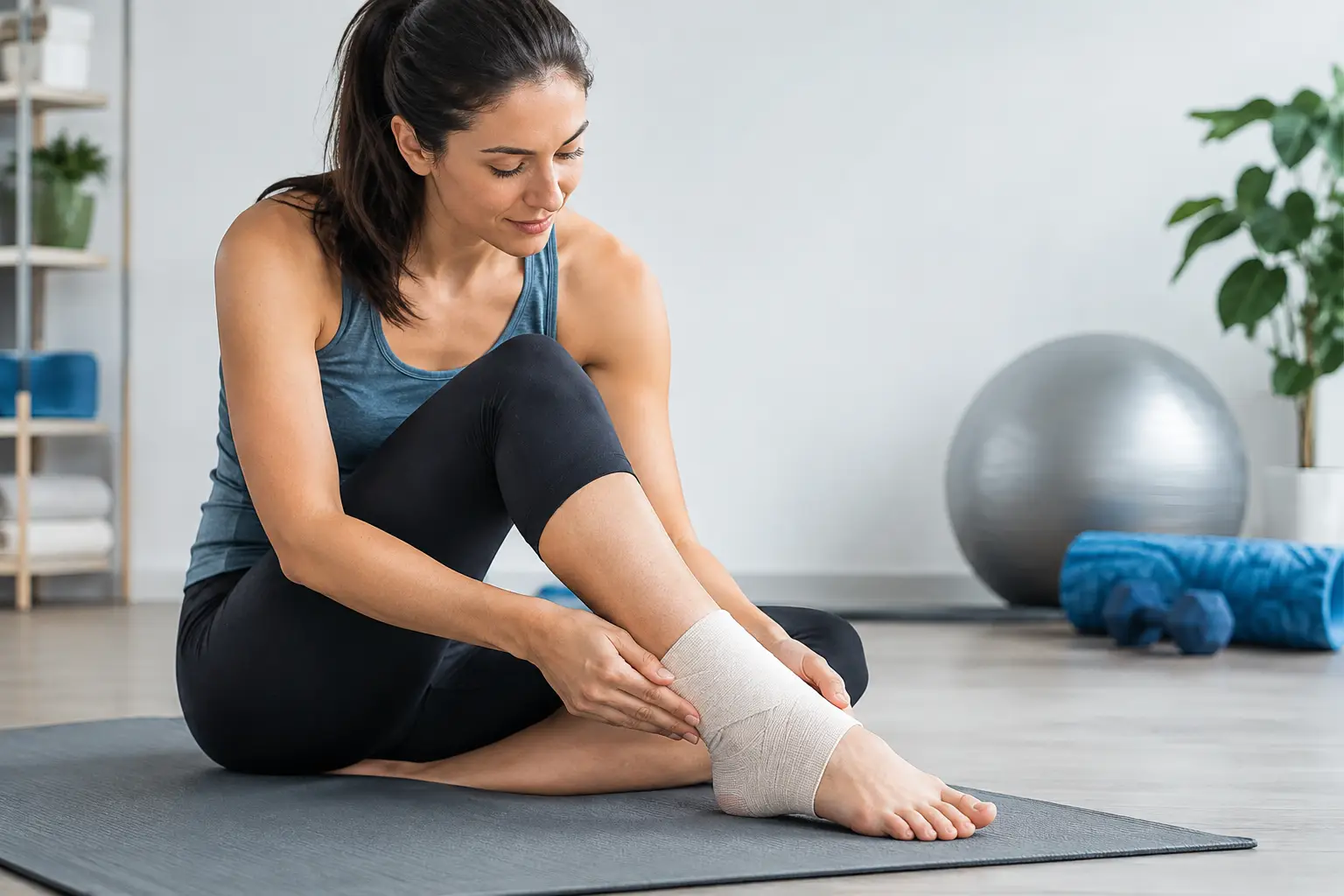
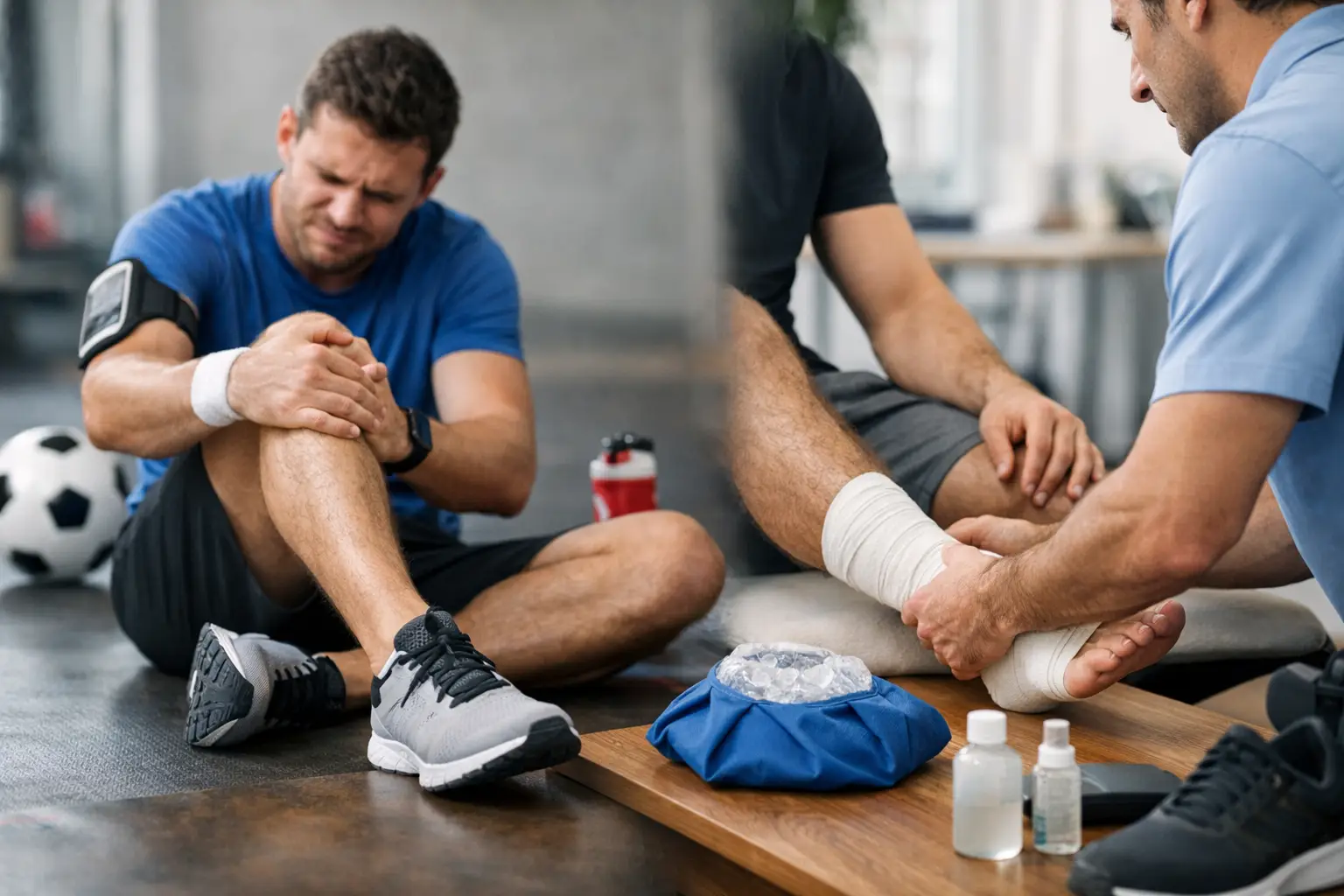
That sharp pull in your calf during a run, the ankle you rolled playing basketball, the shoulder that started aching after a weekend tennis match – sports injuries rarely happen at a convenient time. If you are wondering how to treat sports injuries, the first goal is not just to calm the pain. It is to protect the injured area, avoid making it worse, and start recovery in a way that helps you return safely.
A lot of people make the same mistake after getting hurt. They either try to push through it, or they shut everything down for too long and lose strength, mobility, and confidence. Good treatment usually sits in the middle. You want the right amount of protection, the right amount of movement, and a plan that matches the type of injury you are dealing with.
How to treat sports injuries in the first 48 hours
The first two days matter because they often set the tone for recovery. Whether the problem is a sprain, strain, bruise, or overuse flare-up that suddenly got worse, your early decisions can reduce pain and limit further tissue irritation.
Start by stopping the activity that caused the pain. That sounds obvious, but many active adults test the area again and again to see if they can finish the game, workout, or shift at work. If a movement causes limping, sharp pain, instability, or loss of strength, keep going and you risk turning a manageable injury into a longer recovery.
From there, focus on relative rest. That means avoiding movements that aggravate the injury while still keeping the rest of your body active when possible. Complete bed rest is rarely helpful unless your provider tells you otherwise. Gentle movement in pain-free ranges can help circulation and prevent stiffness, but the keyword is gentle.
Ice can help reduce pain in the short term, especially in the first 24 to 48 hours. Use it for brief periods rather than keeping it on for too long. Compression and elevation may also help with swelling, particularly for ankle, knee, or lower leg injuries. If you need pain relief, some people benefit from over-the-counter medication, but that depends on your health history, medications, and the injury itself.
This is also the stage where you should pay attention to red flags. If you cannot bear weight, have visible deformity, hear or feel a pop followed by major weakness, notice severe swelling, numbness, tingling, or joint instability, get assessed promptly. The same goes for any head injury, difficulty breathing, chest pain, or suspected fracture.
Not every sports injury should be treated the same way
One reason people get stuck is that they treat every injury as if it were identical. A mild muscle strain is not managed the same way as a ligament sprain, tendon irritation, or joint injury.
Muscle strains often respond well to short-term protection followed by gradual loading. Ligament sprains may need more support early on because joint stability is part of the problem. Tendon injuries can be trickier because they may feel better with rest at first, then flare up again when activity resumes too quickly. Overuse injuries such as runner’s knee, shin pain, or tennis elbow usually need training adjustments and movement correction, not just time off.
That is why a proper assessment matters. Pain location alone does not always tell you what is injured. A sore knee might come from the joint, the tendon, the surrounding muscles, or even mechanics at the hip or ankle. Treating the symptom without understanding the cause often delays recovery.
When to move and when to rest
People often ask whether they should stretch, strengthen, or just leave the injury alone. The honest answer is: it depends on the tissue involved and the stage of healing.
In the early phase, the goal is to avoid aggravation while preserving as much normal movement as possible. If the injury is very fresh and irritated, aggressive stretching is usually a bad idea. Pulling hard on an injured hamstring, groin, or calf can increase pain and slow healing. Early strengthening may also need to wait if the area is acutely inflamed or unstable.
As pain settles, movement becomes more important. Controlled range-of-motion work, light activation exercises, and gradual weight-bearing can help restore function. Later, strength, balance, coordination, and sport-specific drills help prepare the body for a safe return.
This is where many active people rush. They feel 70 percent better, go back to full effort, and the injury comes right back. Pain reduction is only one part of recovery. If you have not restored mobility, strength, control, and tolerance to load, you are not fully ready yet.
The best treatment plan usually includes rehab, not just symptom relief
If you want to know how to treat sports injuries for lasting results, rehab is usually the answer. That does not always mean months of care. It means using the right treatment approach to support healing and address the reason the injury happened in the first place.
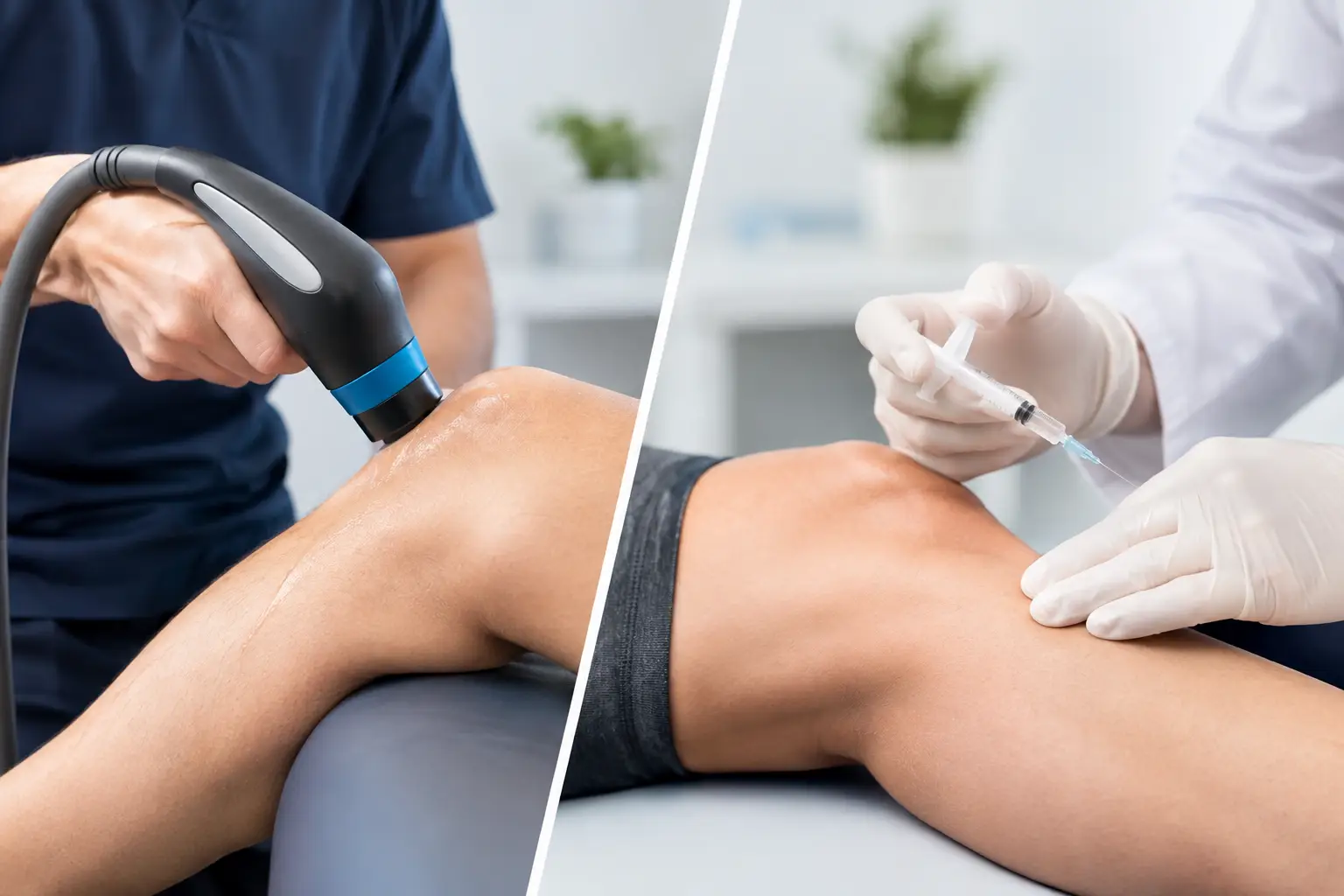
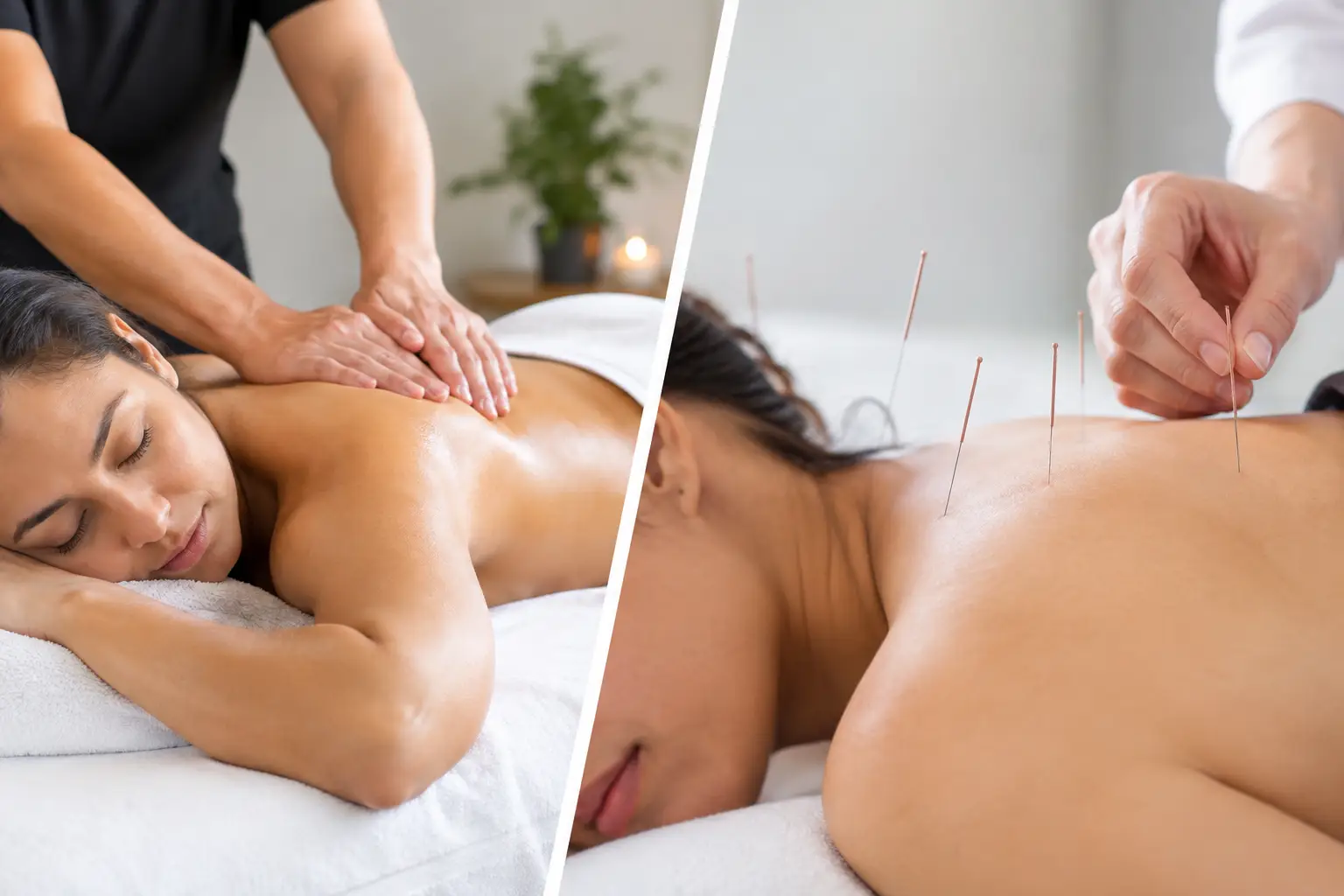
Hands-on care can be helpful for reducing pain, improving mobility, and making movement more comfortable. Depending on the injury, this may include physiotherapy, soft tissue treatment, joint mobilization, or other evidence-informed therapies. For some patients, chiropractic care, massage therapy, or acupuncture may also play a supportive role as part of a broader plan.
But passive care alone is rarely enough. The most effective recovery plans also include exercises tailored to your body, your sport, and your daily demands. A recreational runner, a warehouse worker, and a weekend hockey player may all have the same diagnosis but need different rehab progressions.
A good program often starts small. That may mean restoring ankle mobility after a sprain, rebuilding quad strength after a knee injury, or improving shoulder blade control for overhead pain. As you improve, the plan should progress. Healing tissues need the right kind of load to recover well.
Common sports injuries and what they usually need
Ankle sprains are often underestimated. People walk them off, skip rehab, and end up with repeated rolls or lingering instability. Early swelling control helps, but balance work and strength training are what reduce the chance of recurrence.
Muscle strains in the hamstring, calf, quad, or groin usually need more than rest. Once the sharp pain settles, graded strengthening is essential. If you return to sprinting or cutting too soon, the risk of re-injury goes up.
Knee pain can come from many sources, including ligament injury, tendon overload, cartilage irritation, or poor movement mechanics. Some cases improve quickly with activity modification and rehab. Others need imaging or medical follow-up, especially if the knee locks, gives way, or swells significantly.
Shoulder injuries are similar. Mild overuse irritation may settle with treatment and exercise, but pain combined with major weakness, loss of range, or instability deserves a closer look. The shoulder is mobile by design, so recovery often depends on regaining control, not just flexibility.
When professional care makes the biggest difference
You do not need professional treatment for every sore muscle after exercise. But if pain is intense, swelling is significant, symptoms are not improving after several days, or the injury keeps returning, getting assessed early can save time.
This is especially true if your injury is affecting work, sleep, walking, lifting, or your ability to train. A licensed provider can help identify what structure is involved, what stage of healing you are in, and what to do next. That may include treatment to reduce pain, a personalized home plan, and a clear timeline for returning to activity.
At a multidisciplinary clinic like Active Rehab Center, coordinated care can also be useful when recovery is more complex. Some patients benefit most from physiotherapy-led rehab. Others may do best with a combination of manual therapy, exercise progression, and supportive services that address pain, tension, or related movement issues.
Returning to sport without setting yourself back
The safest return is gradual. You should be able to move the injured area through the ranges your sport requires, tolerate sport-specific loading, and perform with good control before you jump back into full play.
That does not mean waiting for every sensation to disappear. Mild awareness can be normal during recovery. What matters is whether pain is manageable, whether function is improving, and whether symptoms settle rather than escalate after activity.
A simple test is to look at the 24-hour response. If practice or exercise causes a major flare-up that lasts into the next day, you probably did too much. If the area tolerates the load and feels stable afterward, that is a better sign you are progressing well.
How to reduce your risk of the next injury
No prevention plan can remove all risk, especially in sports that involve speed, contact, or quick changes of direction. Still, there are a few habits that make a real difference.
Consistent strength training helps your body handle force. Mobility matters too, but only where you actually need it. Sleep, recovery days, training volume, and proper progression all affect injury risk more than many people realize. So does technique. Sometimes the problem is not that you are active. It is that your body is being asked to do more than it is prepared for.
If you have had the same injury before, prevention should be even more specific. Previous ankle sprains, hamstring strains, and shoulder issues are common examples where targeted rehab can lower the chance of it happening again.
Treat sports injuries early, but do not stop at getting out of pain. The best outcome is not just feeling better this week. It is moving with confidence, healing well, and getting back to the activities that matter to you without second-guessing every step, swing, or stride.