A coffee mug, computer mouse, frying pan, or tennis racket can all trigger the same sharp pain on the outside of the elbow. If you are wondering how to treat tennis elbow, the answer is rarely complete rest or simply pushing through. The most effective approach combines temporary activity changes, gradual strengthening, and hands-on care when pain is not improving.
Tennis elbow can affect anyone, including office workers, tradespeople, caregivers, musicians, and active adults. You do not need to play tennis to develop it. With the right plan, most people can reduce pain and rebuild confidence in using their arm.
What tennis elbow is – and why it lingers
Tennis elbow, also called lateral epicondylitis or lateral elbow tendinopathy, involves irritation and reduced tolerance in the tendons that connect the forearm muscles to the outside of the elbow. These muscles help you grip, lift, type, turn a doorknob, and extend your wrist.
The condition often develops after repeated loading rather than one dramatic injury. A sudden increase in racquet sports, a new workout routine, repetitive work tasks, or long hours at a poorly positioned desk can exceed what the tendon is ready to handle.
Pain may be mild at first, then become noticeable when shaking hands, opening jars, carrying a bag, or lifting a kettle. It can linger because the arm continues to be loaded throughout daily life. The goal is not to avoid using your arm forever. It is to give the tendon an appropriate amount of work while it recovers.
How to treat tennis elbow without stopping your life
Start by identifying the movements that reliably flare your symptoms. You may need to temporarily reduce the weight you lift, take more frequent breaks from gripping tasks, use two hands for heavier objects, or modify your racquet-sport technique. This is relative rest, not complete immobilization.
Try to keep pain during activity in a manageable range. Mild discomfort can be acceptable during rehabilitation, particularly when you are starting strengthening exercises. Sharp pain, increasing weakness, or symptoms that remain significantly worse the next day are signs that the activity was likely too demanding.
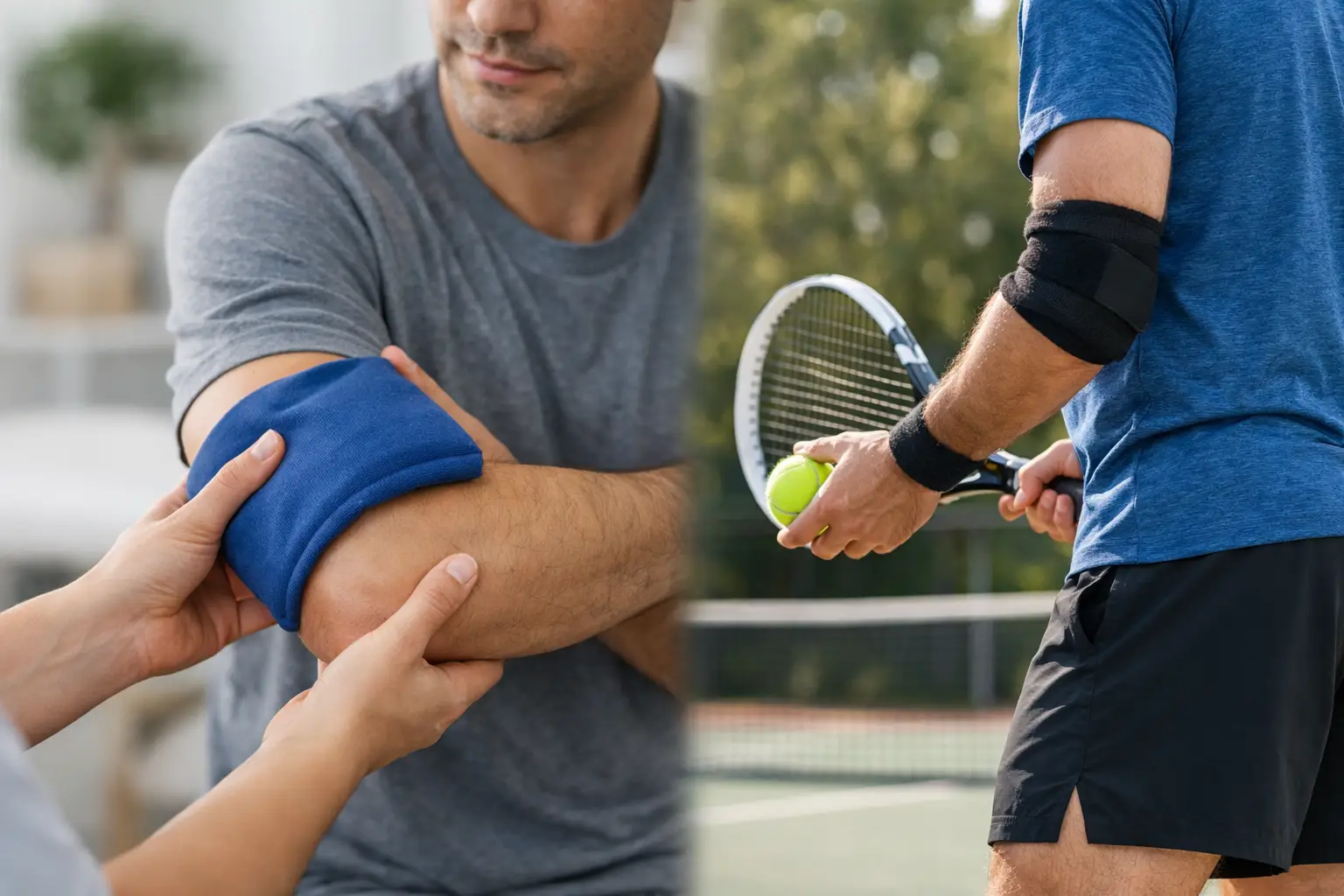
Cold packs can help settle soreness after a painful task. Apply a wrapped cold pack for about 10 to 15 minutes, protecting the skin from direct contact. Some people find gentle heat useful before activity if the forearm feels stiff. Neither option repairs the tendon on its own, but both can make it easier to stay comfortable while you work on recovery.
Over-the-counter pain medication may help some people manage short-term symptoms. However, medication is not right for everyone, especially people with kidney disease, stomach ulcers, heart conditions, or those taking certain prescriptions. A pharmacist or healthcare provider can help you choose safely.
Adjust the task, not just the elbow
Small changes at work and home can reduce repeated strain. Keep the wrist in a neutral position when using a mouse or lifting. Position frequently used items closer to your body. Use a larger-handled tool when possible, because a bigger grip can reduce the force required from the forearm.
For computer work, make sure your mouse is close enough that you are not reaching with your arm. Consider alternating hands for simple tasks, using keyboard shortcuts, and scheduling short movement breaks. For sports, a coach or therapist can assess grip size, technique, equipment, and training volume. These details matter because returning to the same overload pattern can restart the cycle.
Build strength gradually with targeted exercises
Tendons respond well to appropriately progressed loading. Stretching alone may feel good, but strengthening the wrist and forearm is usually the more important long-term step. Begin with a level that does not cause a major pain flare and increase gradually over several weeks.
A simple starting exercise is an isometric wrist extension. Rest your forearm on a table with your palm facing down and your wrist just beyond the edge. Use your other hand to provide gentle resistance as you try to lift the back of your hand without allowing movement. Hold for 20 to 30 seconds, then relax. Repeat a few times, keeping discomfort tolerable.
As symptoms improve, progress to slow wrist extensions with a light dumbbell, soup can, or resistance band. Support your forearm, lower the weight slowly, then lift with control. The lowering phase is often particularly useful for rebuilding tendon capacity. Start with a light load and focus on good form rather than pushing to fatigue.
Grip exercises can also help, but they should be introduced carefully because gripping is commonly painful in the early stages. Gently squeeze a soft ball or rolled towel, then release fully. If pain increases substantially, reduce the intensity or wait until your wrist exercises are better tolerated.
A physiotherapist can tailor the starting point to your pain level, work demands, sport, and overall health. This matters because someone who types all day needs a different return-to-activity plan than someone who lifts tools overhead or plays competitive tennis several times a week.
When professional treatment can help
If elbow pain is persistent, worsening, or limiting work and daily activities, an assessment can identify what is driving the problem. Not every pain on the outside of the elbow is tennis elbow. Neck irritation, nerve sensitivity, arthritis, and other conditions can create similar symptoms, so an accurate assessment helps avoid treating the wrong issue.
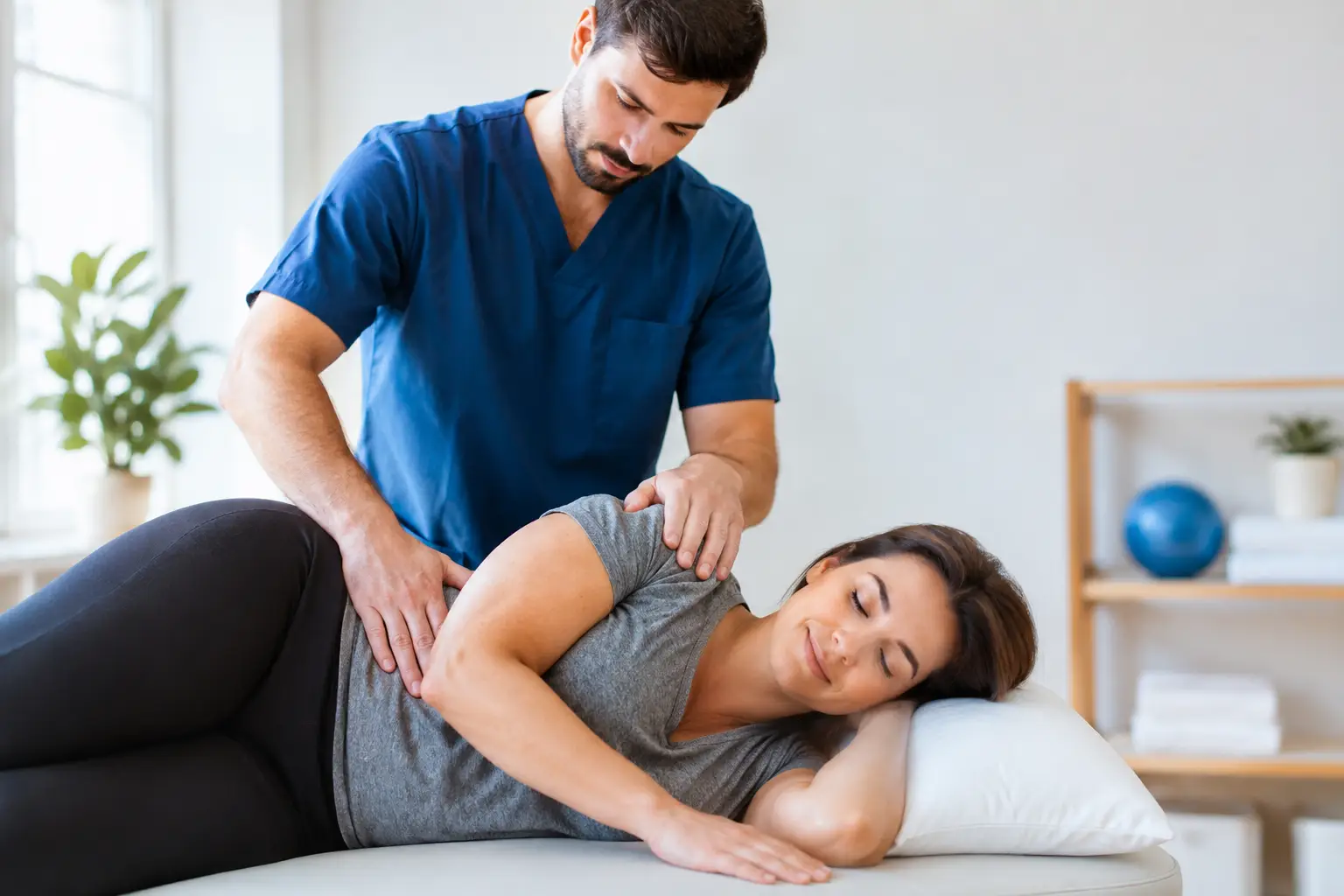
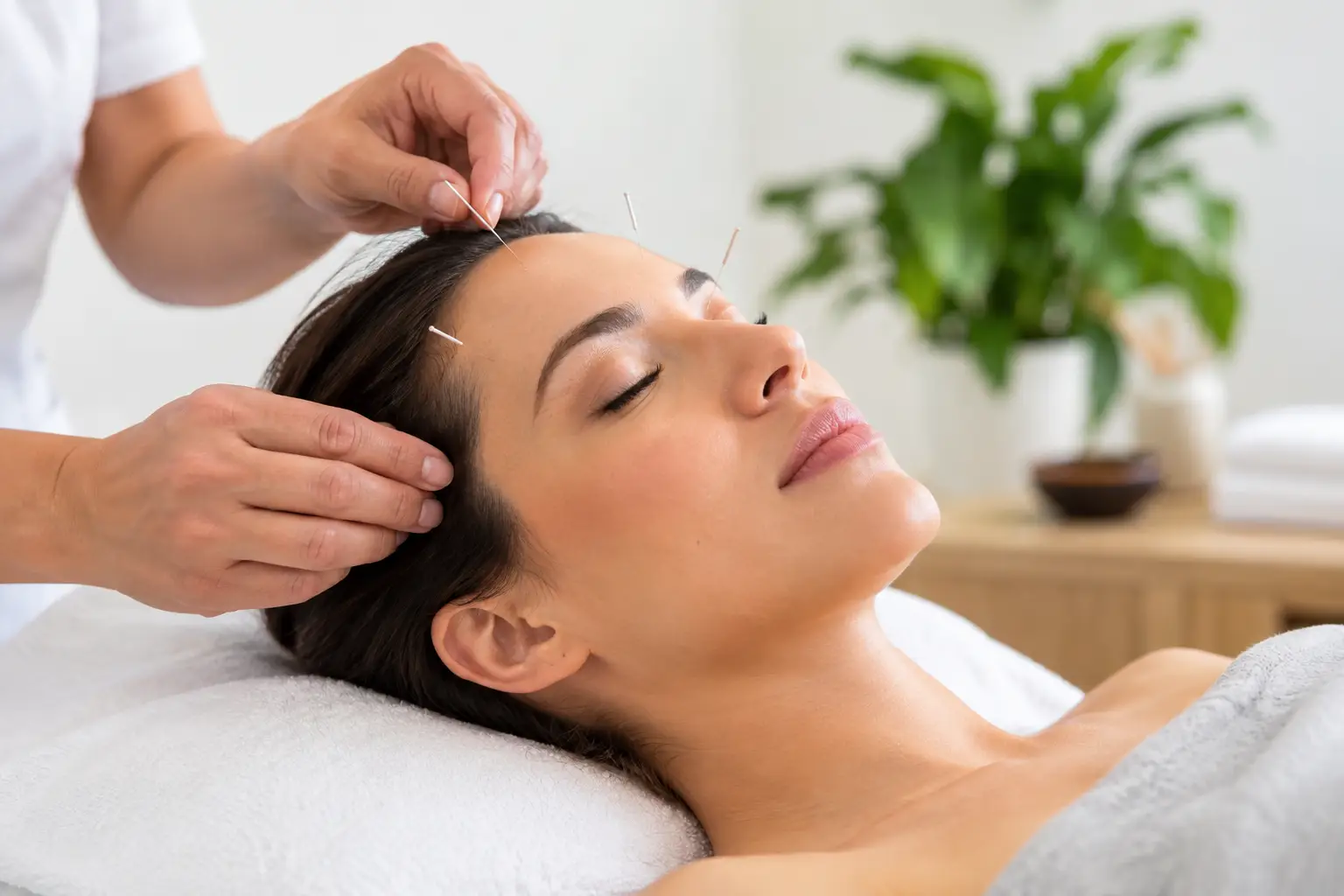
A personalized rehabilitation plan may include hands-on therapy, graded exercise, education on activity modification, and ergonomic guidance. Depending on your assessment, clinicians may also use approaches such as acupuncture, massage therapy for surrounding muscle tension, or shockwave-based treatment options. These treatments may support pain management and mobility, but they work best as part of an active plan rather than as a substitute for progressive strengthening.
At Active Rehab Centre, licensed practitioners can coordinate care across physiotherapy and complementary treatment options to create a plan that fits your symptoms, schedule, and recovery goals. One-on-one guidance can be especially valuable when pain has lasted for months, you have tried home exercises without success, or your work makes rest unrealistic.
Braces and straps are another option worth discussing. A counterforce strap worn around the upper forearm may reduce pain during aggravating activities for some people. A wrist brace can also temporarily reduce strain in certain situations. These tools are not a cure, and using them all day can sometimes encourage overreliance, but they can make work or sport more manageable while strength is being rebuilt.
What to avoid during recovery
The temptation to test the elbow repeatedly is understandable, especially when you want to get back to the gym, court, or job. But aggressive stretching into pain, suddenly returning to heavy lifting, or increasing exercise weight too quickly can prolong symptoms.
Avoid treating complete rest as the only solution. Long periods of avoiding all arm use can reduce strength and make the tendon less prepared for normal demands. Instead, use a gradual progression. If an exercise or task leaves you sore for more than a day, scale back the weight, repetitions, grip force, or frequency before trying again.
Be cautious about promises of instant fixes. Tennis elbow often improves gradually, and recovery can take weeks to months depending on how long symptoms have been present, how demanding your activities are, and whether you can consistently follow a progressive plan. A slower recovery does not mean you are failing. It often means the tendon needs a more carefully adjusted dose of activity.
When elbow pain needs medical attention
Arrange a medical assessment promptly if you have severe swelling, redness, warmth, fever, a visible deformity, sudden inability to move the arm, numbness that persists, or major loss of strength. These symptoms may point to something other than a typical overuse tendon problem.
You should also seek professional guidance if pain is not improving after several weeks of sensible activity changes and exercise, if it disrupts sleep, or if it started after a fall or direct impact. Early assessment can clarify the cause and help you return to normal activity with less guesswork.
Your elbow does not need perfection before you start using it again. It needs a steady, personalized path from painful movements to stronger, more comfortable ones – one manageable step at a time.