
A migraine can turn a normal workday, family dinner, or workout into a search for a dark, quiet room. For people who are tired of reacting to attacks after they begin, acupuncture for migraine prevention may be a practical part of a broader plan to reduce how often migraines occur and how disruptive they feel.
Acupuncture is not a guaranteed cure, and it is not a replacement for medical assessment when migraines are new, changing, or severe. But research and clinical experience suggest it may help some people have fewer migraine days, use less rescue medication, and feel more in control of their symptoms. The best results usually come from a plan tailored to your migraine pattern, triggers, physical tension, sleep, stress, and overall health.
How acupuncture may help prevent migraines
Migraine is a neurologic condition, not simply a bad headache. It can involve throbbing pain, nausea, sensitivity to light or sound, visual changes, dizziness, neck pain, and exhaustion that lasts well beyond the headache itself. Because the condition has many contributing factors, prevention often needs more than one strategy.
Acupuncture uses very fine, sterile needles placed at specific points on the body. During treatment, a licensed practitioner may also assess areas that commonly contribute to discomfort, including tight muscles in the neck, shoulders, upper back, jaw, or scalp. The goal is not just to address pain in the moment. It is to support regulation in the systems involved in pain sensitivity, muscle tension, circulation, and stress response.
Current evidence indicates that acupuncture can reduce migraine frequency for some people, particularly when delivered as a course of care rather than a one-time treatment. In some studies, its preventive benefit has been comparable to certain medication-based approaches, with fewer medication-related side effects. Results vary, however. Some people notice improvement within several sessions, while others need a longer trial to determine whether it is helping.
Acupuncture may be especially worth considering if you prefer to limit preventive medication, cannot tolerate medication side effects, have tension in the neck or jaw alongside migraine, or want a complementary option to use with care from your primary physician or neurologist.
What a personalized migraine assessment should include
A useful treatment plan begins with listening. Migraine patterns can differ widely from person to person. One patient may have attacks around hormonal changes or poor sleep, while another notices migraines after long hours at a computer, skipped meals, intense training, stress, or a neck injury.
Your practitioner should ask about the frequency, duration, intensity, and symptoms of your attacks. They should also review your current medications, supplements, previous injuries, sleep quality, hydration, activity level, and known triggers. If you experience aura, it is helpful to describe exactly what happens before the headache begins.
The physical assessment may include your neck movement, posture, shoulder tension, jaw function, and sensitivity in surrounding tissues. This matters because cervical muscle tension and jaw clenching do not cause every migraine, but they can add another source of pain and make recovery harder during an attack.
At Active Rehab Centre, acupuncture can be coordinated with other appropriate services, such as physiotherapy, massage therapy, chiropractic care, nutrition support, or stress-focused care. This can be helpful when migraines overlap with an injury, persistent neck pain, poor posture, or stress-related muscle tension. Not every person needs multiple therapies. The right plan depends on what is driving your symptoms and what feels manageable in your routine.
What migraine acupuncture treatment feels like
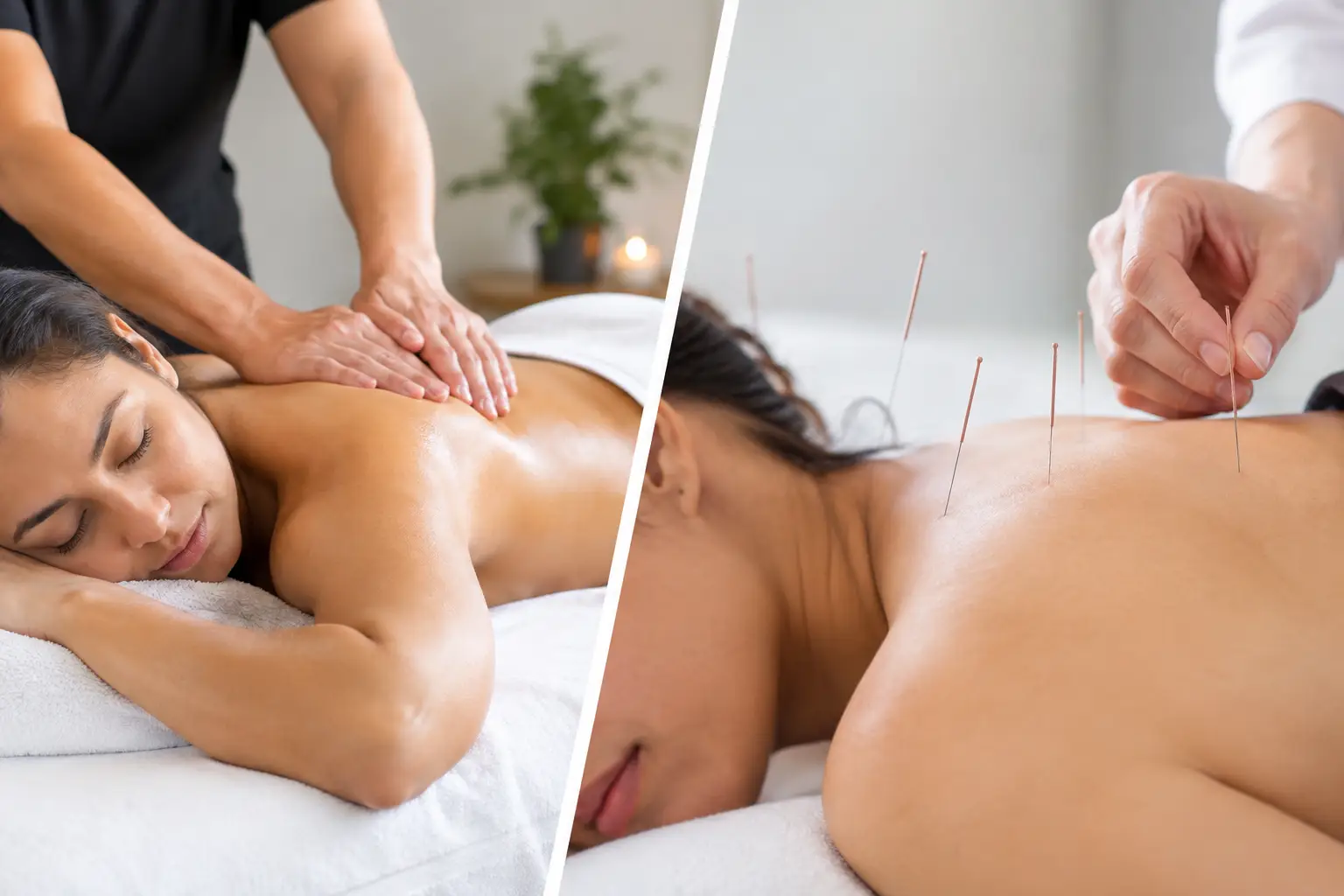
Many first-time patients worry that acupuncture will hurt. The needles are much thinner than injection needles, and most people feel little more than a brief pinch, warmth, tingling, heaviness, or a dull sensation around a point. You should be able to relax during the session and communicate if anything feels uncomfortable.
A session may include points on the head, arms, hands, legs, or feet, not only where pain is felt. Your practitioner may also address tight areas around the neck and shoulders when appropriate. Needles are single-use and sterile.
After treatment, some people feel calm or pleasantly tired. Others feel no immediate change but notice that they sleep better or recover more easily over the following days. Mild bruising or temporary soreness can occur. Serious complications are uncommon when acupuncture is performed by a properly trained, licensed professional using sterile technique.
How many sessions are usually needed?
Preventive care needs enough time to show a pattern. A common starting approach is one or two sessions per week for several weeks, followed by a reassessment. If migraine days, severity, medication use, or daily function are improving, appointments may gradually become less frequent.
There is no universal session number. Someone with occasional migraines may need a short course and periodic maintenance, while a person with chronic migraine may need a more structured plan coordinated with medical care. The key is measuring progress instead of continuing treatment indefinitely without clear goals.
Keeping a migraine diary can make that conversation more useful. Record the date, symptoms, severity, possible trigger, medication used, and how much the attack interrupted your day. Also note sleep, meals, hydration, menstrual cycle if relevant, and unusually stressful periods. Over time, this information can reveal changes that are easy to miss from memory alone.
Acupuncture works best alongside everyday prevention
Acupuncture can support prevention, but it cannot fully offset a schedule that repeatedly leaves your body depleted. Small, consistent habits often make the treatment plan more effective.
Regular meals and hydration can help prevent the blood sugar swings and dehydration that trigger migraines for some people. Consistent sleep and wake times are often more useful than trying to “catch up” with long sleep-ins on weekends. Gradual exercise, with proper pacing, may also support stress regulation and reduce persistent neck and shoulder tension.
Caffeine is another area where individual patterns matter. A small, steady amount may be tolerable for one person, while irregular intake, high doses, or sudden withdrawal can trigger headaches for another. Your practitioner can help you identify patterns without forcing unnecessary restrictions.
It is also important to avoid overusing acute headache medication. Taking certain pain relievers or migraine medications too frequently can lead to medication-overuse headaches. Do not stop prescribed medication on your own, but speak with your medical provider if you are needing rescue treatment often.
When acupuncture is not enough on its own
Acupuncture is a complementary therapy, not a reason to ignore warning signs. Seek urgent medical care for a sudden, severe headache that peaks quickly, a headache after significant head trauma, new weakness or numbness, trouble speaking, fainting, seizure, confusion, fever with neck stiffness, or a major change in a familiar migraine pattern.
You should also speak with a physician or neurologist if migraines are becoming more frequent, are interfering with work or family life, occur on 15 or more days per month, or begin after age 50. A medical provider can help rule out other causes and discuss preventive medications or newer migraine treatments when appropriate.
If you are pregnant, taking blood thinners, have a bleeding disorder, have a pacemaker, or have concerns about fainting with needles, let your acupuncture provider know before treatment. These factors do not always prevent care, but they may change the approach.
Choosing a practical next step
The right question is not whether acupuncture works exactly the same way for everyone. It is whether a carefully monitored course of care could help you reduce migraine burden safely and realistically. Set a goal with your practitioner, such as fewer migraine days each month, less intense attacks, reduced reliance on rescue medication, or better ability to function when symptoms begin.
Migraine prevention is often built one steady change at a time. With a thorough assessment, licensed care, and a plan that respects your daily life, acupuncture may become a meaningful source of support rather than one more thing to manage.