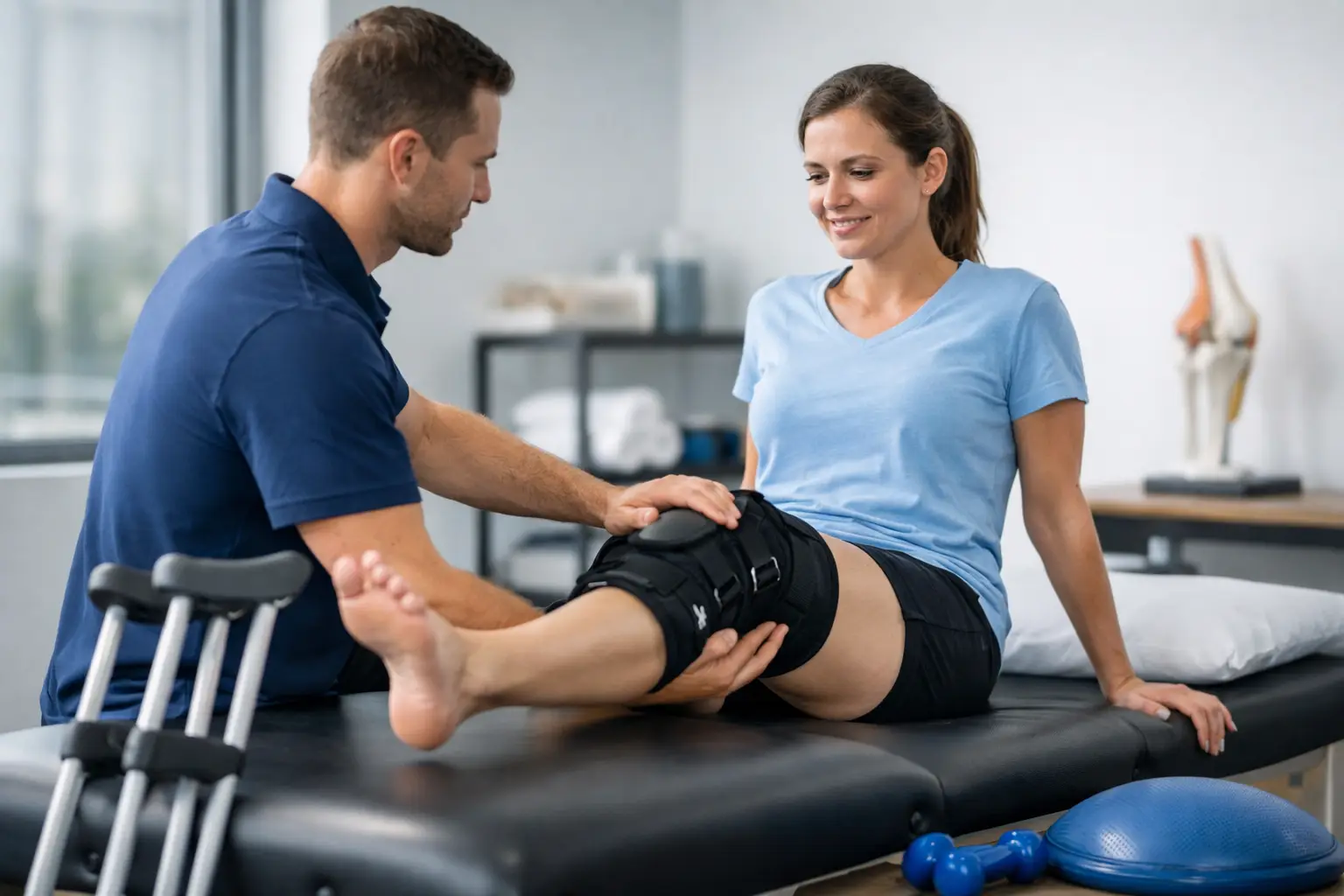
The first few steps after knee surgery can feel surprisingly high-stakes. Your knee may be swollen, weak, stiff, or difficult to trust, even when the procedure went well. Postoperative knee rehabilitation gives recovery a clear direction: protect the healing joint, restore movement, rebuild strength, and help you return to the activities that matter to you.
Your recovery is not a race against someone else’s timeline. A total knee replacement, ACL reconstruction, meniscus repair, patellar surgery, and arthroscopic procedure all have different precautions and milestones. Your surgeon’s instructions always guide the process, while a licensed physical therapist can turn those instructions into a practical, personalized plan.
Why postoperative knee rehabilitation matters
Surgery can address a damaged structure, but it does not automatically restore muscle control, balance, walking mechanics, or confidence. Pain and swelling can cause the quadriceps muscle at the front of the thigh to switch off. When that happens, tasks such as straightening the knee, standing from a chair, or going down stairs can remain difficult.
Rehabilitation addresses the whole recovery picture. Early treatment may focus on swelling management, safe walking, and regaining knee extension. As healing progresses, the emphasis shifts toward bending, strength, balance, and movement patterns needed for work, home, recreation, or sport.
Skipping rehabilitation or doing too much too soon can both create setbacks. Pushing through sharp pain, substantial swelling, or a noticeable limp may irritate the knee and delay progress. On the other hand, avoiding movement because the knee feels uncomfortable can contribute to stiffness and weakness. The right amount of activity depends on your procedure, your current symptoms, and how your knee responds over the next 24 hours.
The early phase: protect, control swelling, and move safely
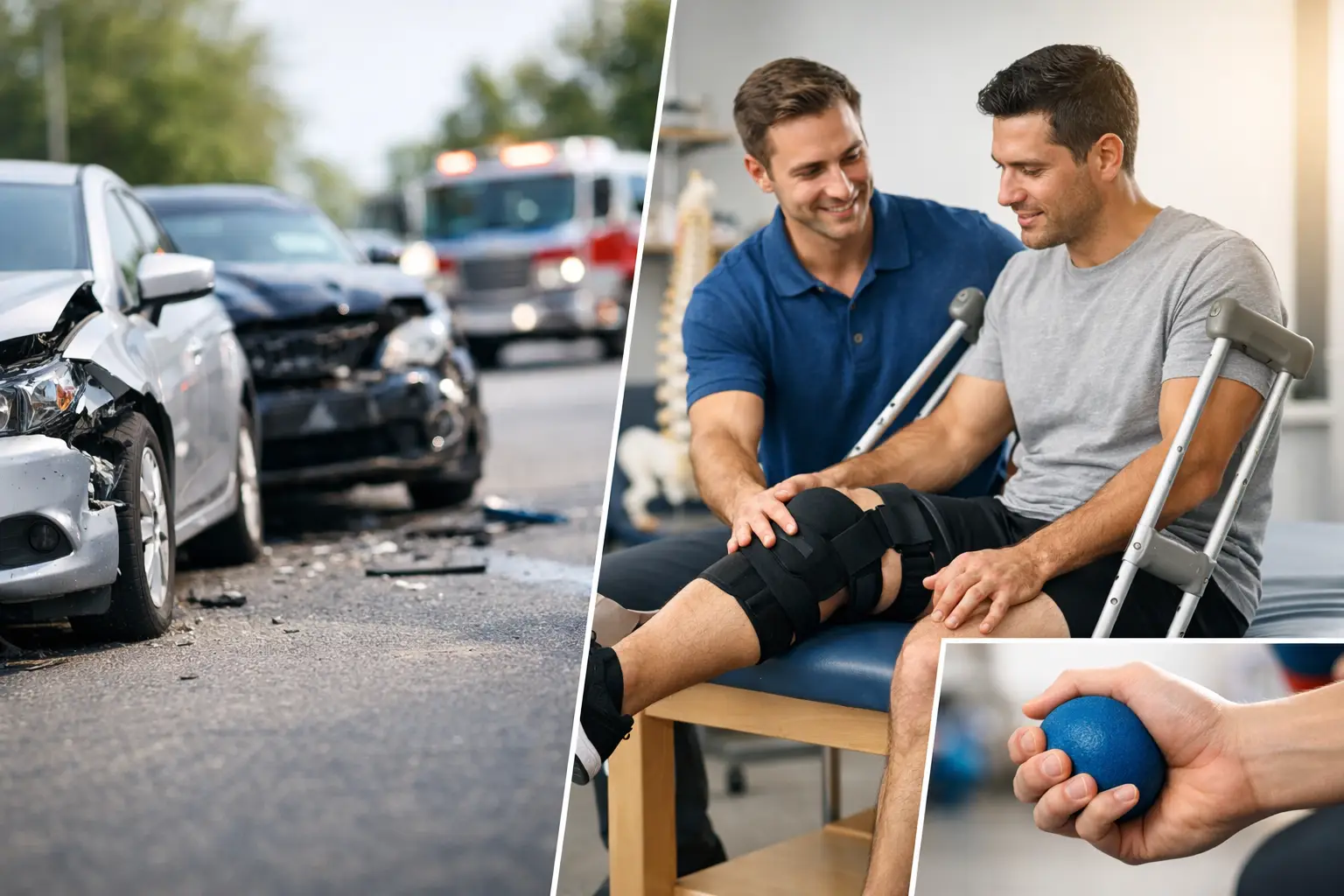
In the first days and weeks, your care team may prioritize protecting repaired tissue or the new joint while helping you move safely. You may use crutches, a walker, a brace, or a compression garment. These supports are tools, not signs of failure. They allow you to practice walking with better mechanics while your knee is not yet ready to carry full demands.
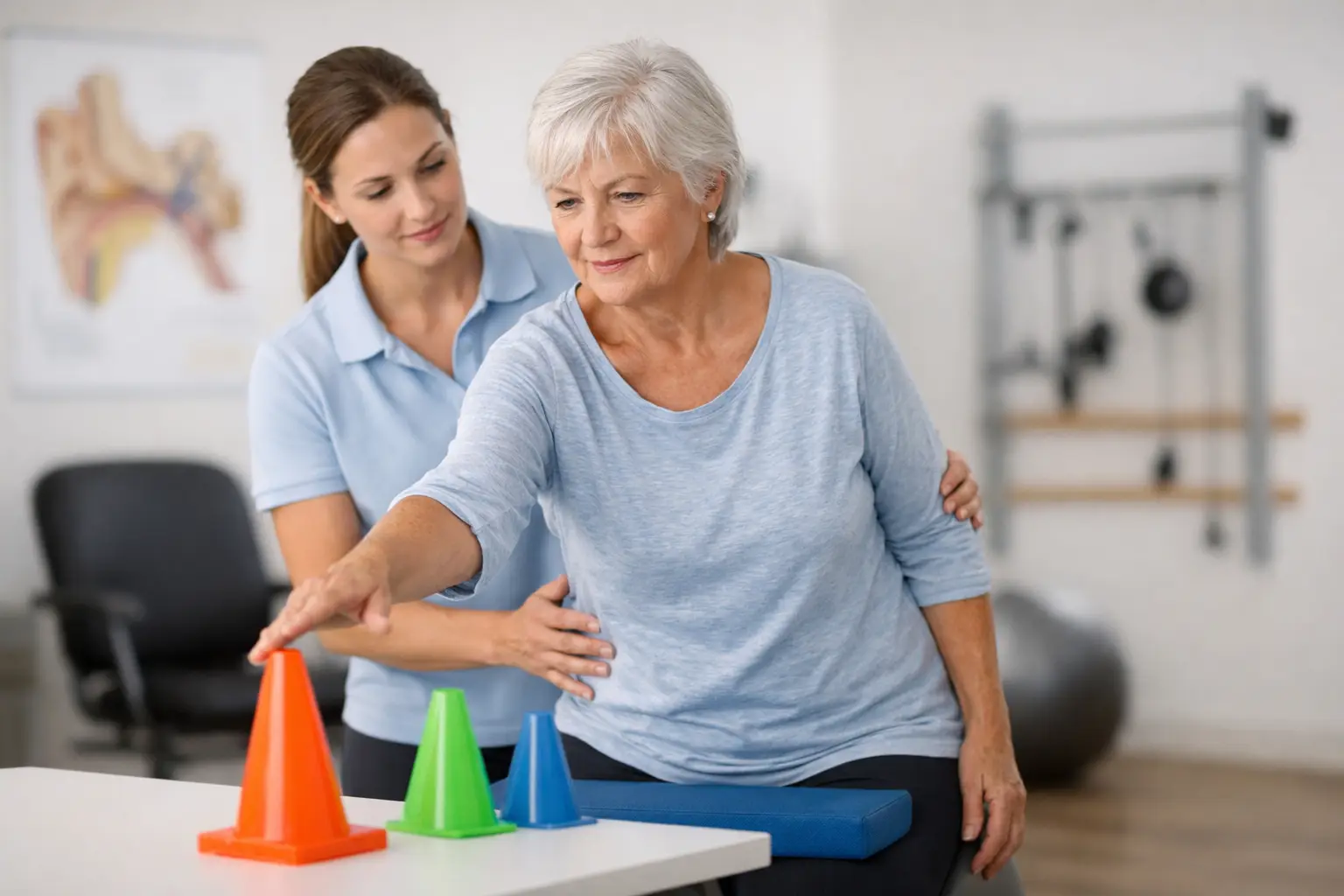
A physical therapist can show you how to get in and out of bed, rise from a chair, manage stairs, and use your mobility aid correctly. Small adjustments make a difference. For example, shifting too much weight away from the surgical side can reinforce a limp and strain your back, hip, or opposite knee.
Swelling control is also a central part of this stage. Your provider may recommend elevation, cold therapy, compression, ankle pumps, and brief, frequent walks based on your surgical protocol. Swelling naturally increases after activity early in recovery, but it should be monitored. If your knee becomes significantly more swollen, hot, painful, or difficult to move after exercise, your plan may need adjustment.
Rest is productive in this phase, but complete inactivity is rarely the goal. Gentle exercises commonly include ankle movement, quadriceps activation, assisted knee bending, and knee straightening work. The exact exercise selection and range limits should match your surgeon’s restrictions, particularly after ligament reconstruction or meniscus repair.
Knee extension deserves attention
Many people focus on bending their knee because they want to sit comfortably or return to cycling. Bending is important, but fully straightening the knee is equally valuable. Limited extension can affect walking, standing, stair climbing, and the way the muscles around your hip and ankle work.
Your therapist may use positioning, hands-on treatment, and targeted exercises to help improve extension safely. Consistency matters more than forcing the joint. A steady approach usually produces better results than aggressive stretching that leaves the knee irritated for days.
Building strength without overloading the knee
As pain and swelling settle and your surgeon clears more activity, rehabilitation becomes more active. The focus moves beyond the knee itself. Your quadriceps, hamstrings, glutes, calves, and core all help absorb force and control leg alignment.
A well-designed program often begins with controlled, low-load exercises and progresses toward functional movements. You may work on straight-leg raises, bridges, sit-to-stands, mini-squats, step-ups, stationary cycling, and balance drills. Later, your therapist may add heavier resistance, longer walks, uneven surfaces, work-specific tasks, or sport drills.
Progression should be based on quality, not just repetition counts. If your knee collapses inward during a squat, you rely heavily on your hands to stand, or you limp more as fatigue sets in, you may need a different exercise level. Better movement control now can reduce compensation patterns that cause trouble later.
Pain does not always mean damage, especially during a normal healing process. Mild soreness or muscle fatigue after new exercise can be expected. However, sharp pain, catching, giving way, rapid swelling, or symptoms that steadily worsen are reasons to pause and contact your surgeon or rehabilitation provider.
Returning to everyday life after knee surgery
For many people, the most meaningful recovery goals are not athletic. They are getting through a workday without a swollen knee, carrying groceries, kneeling for a household task, walking the dog, traveling, or playing on the floor with grandchildren.
Your plan should reflect those goals. A person returning to a physically demanding job may need lifting, carrying, squatting, and prolonged standing practice. An older adult may need more emphasis on balance and fall prevention. A runner or field athlete may require a longer progression involving single-leg strength, landing control, change of direction, and sport-specific conditioning.
The calendar alone cannot determine readiness. Two people with the same procedure may recover differently because of their pre-surgery strength, age, medical history, work demands, sleep, and consistency with treatment. Your therapist can use range of motion, walking quality, strength testing, balance, and functional tasks to guide the next step.
Do not ignore the rest of your health
Recovery is easier when pain, sleep, nutrition, stress, and activity levels are considered together. Poor sleep can heighten pain sensitivity. Fear of movement can lead to guarded walking and slow progress. Limited appetite or inadequate protein intake can make it harder to support healing and muscle rebuilding.
An integrated care setting can be helpful when you need support beyond exercise alone. Depending on your needs and medical clearance, physical therapy may be complemented by massage therapy for surrounding muscle tension, nutrition guidance, or strategies to manage the stress that often comes with a long recovery. These services should support, not replace, your surgeon-directed rehabilitation plan.
When to seek help urgently
Some symptoms require prompt medical attention rather than waiting for your next therapy appointment. Contact your surgeon or seek urgent care if you develop fever, chills, drainage or increasing redness around the incision, sudden calf pain or swelling, chest pain, shortness of breath, or a sudden major change in your ability to bear weight.
It is also wise to contact your care team if pain is not controlled with the plan you were given, your incision concerns you, or your range of motion and function suddenly worsen. Asking early can prevent a small concern from becoming a larger setback.
Making your rehabilitation plan easier to follow
The best home program is one you can complete consistently. Put exercises at a predictable time, keep needed equipment nearby, and track how your knee responds. A short note about pain, swelling, walking tolerance, and sleep can help your therapist identify patterns and adjust your plan.
Bring practical questions to each appointment: How much walking is appropriate right now? When can I drive? Is my swelling expected? Which exercise matters most this week? Clear answers remove guesswork and help you use your effort where it counts.
At Active Rehab Centre, individualized care means meeting you at your current ability level and building forward from there. Whether your goal is a comfortable walk around the neighborhood or a return to a demanding sport, the next right step is a plan that respects your surgery, your body, and your life.
Healing rarely follows a perfectly straight line. Give your knee time, keep your care team informed, and focus on the small improvements that add up to more confident movement.