A hand that falls asleep while you drive, text, hold a book, or wake up at night is more than an inconvenience. Carpal tunnel recovery begins by reducing pressure on the median nerve while identifying the work, movement, health, or injury factors that may be keeping symptoms active. With the right plan, many people can improve comfort, hand function, and confidence in daily activities.
What carpal tunnel syndrome affects
Carpal tunnel syndrome occurs when the median nerve is compressed as it travels through a narrow passage in the wrist called the carpal tunnel. This nerve supplies feeling to the thumb, index finger, middle finger, and part of the ring finger. It also helps control muscles at the base of the thumb.
Symptoms often start gradually. You may notice tingling, numbness, burning, or an aching sensation in the hand and wrist. Some people shake or reposition their hand for short-term relief, especially at night. As symptoms progress, grip can feel weaker, buttons and small objects become harder to manage, or you may drop things more often.
Carpal tunnel syndrome is not always caused by one activity. Repetitive hand use can contribute, but so can prolonged wrist bending, swelling after an injury, arthritis, pregnancy, diabetes, thyroid conditions, and individual wrist anatomy. That is why a personalized assessment matters. The right recovery plan depends on what is placing pressure on the nerve and how long symptoms have been present.
Carpal tunnel recovery starts with protecting the nerve
The goal is not to stop using your hand forever. It is to reduce the positions and loads that repeatedly irritate the nerve, then gradually restore comfortable movement and strength.
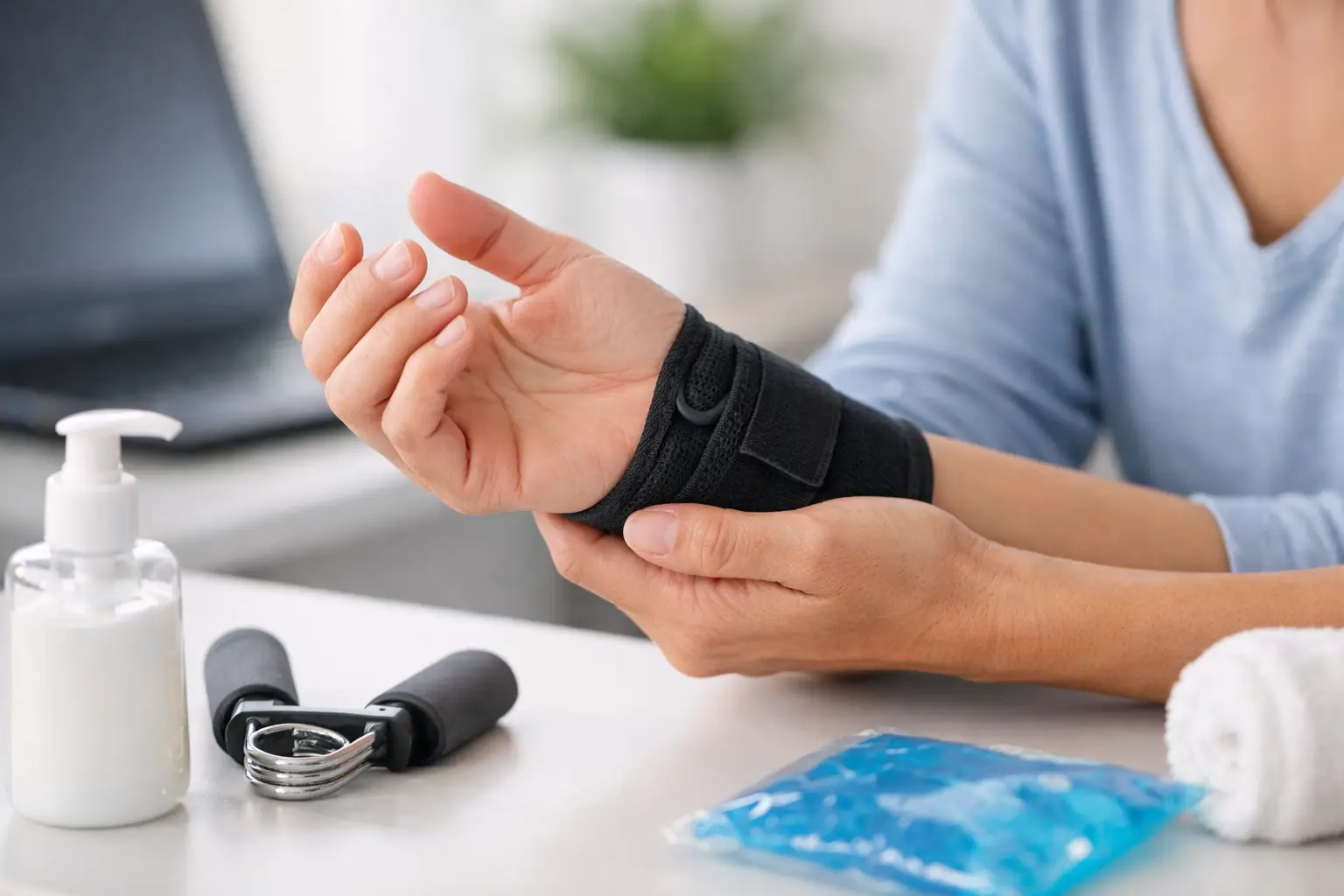
For many people, keeping the wrist in a neutral, straight position is one of the most useful first steps. A wrist brace worn at night can limit the bent wrist positions that commonly trigger waking numbness. A licensed provider can help confirm proper fit, since a brace that is too tight or holds the wrist in an awkward position may create new discomfort.
During the day, pay attention to the activities that reliably bring on tingling. This may be gripping tools tightly, scrolling with a bent wrist, typing with the wrists extended, cycling, lifting, or sleeping with the hand tucked under the body. Small adjustments often add up. Raise your keyboard or chair height, use a lighter grip, keep frequently used items close, and take short movement breaks before symptoms build.
Rest can settle an irritated wrist, but complete inactivity is rarely the full answer. Once pain and numbness are more manageable, gentle wrist, finger, and nerve-guided exercises may be appropriate. These movements should feel controlled and tolerable, not like a push through sharp pain or increasing numbness. If an exercise makes symptoms linger or travel farther into the hand, it needs to be modified.
When home care may be enough and when it may not
Mild symptoms that are recent, occasional, and clearly linked to a temporary increase in activity may improve with activity changes, nighttime support, and guided rehabilitation. Recovery can take several weeks because irritated nerve tissue often settles more slowly than a sore muscle.
However, it is wise to seek an assessment when numbness is frequent, wakes you most nights, interferes with work, or does not improve after a few weeks of careful self-management. Persistent compression can affect nerve function over time. Earlier care may help prevent a more difficult recovery.
Arrange prompt medical evaluation if you have constant loss of feeling, visible thinning at the base of the thumb, worsening weakness, or difficulty pinching and gripping. Hand numbness can also come from the neck, shoulder, elbow, circulation issues, or other nerve conditions. A professional evaluation helps distinguish carpal tunnel syndrome from problems that require a different approach.
Treatment options that can support recovery
A physiotherapy assessment can examine wrist motion, grip strength, sensation, posture, work demands, and movement through the neck, shoulder, elbow, and hand. Treatment may include hands-on care, specific mobility and strengthening exercises, education on pacing, and practical ergonomic changes for your job, hobbies, or training routine.
For example, a warehouse worker may need strategies for lifting and gripping safely throughout a shift, while an office professional may benefit from keyboard, mouse, and break-schedule adjustments. An active adult who develops symptoms during weight training may need temporary changes to wrist-loaded exercises before progressively returning to them. Recovery should fit real life, not require you to avoid every meaningful activity.
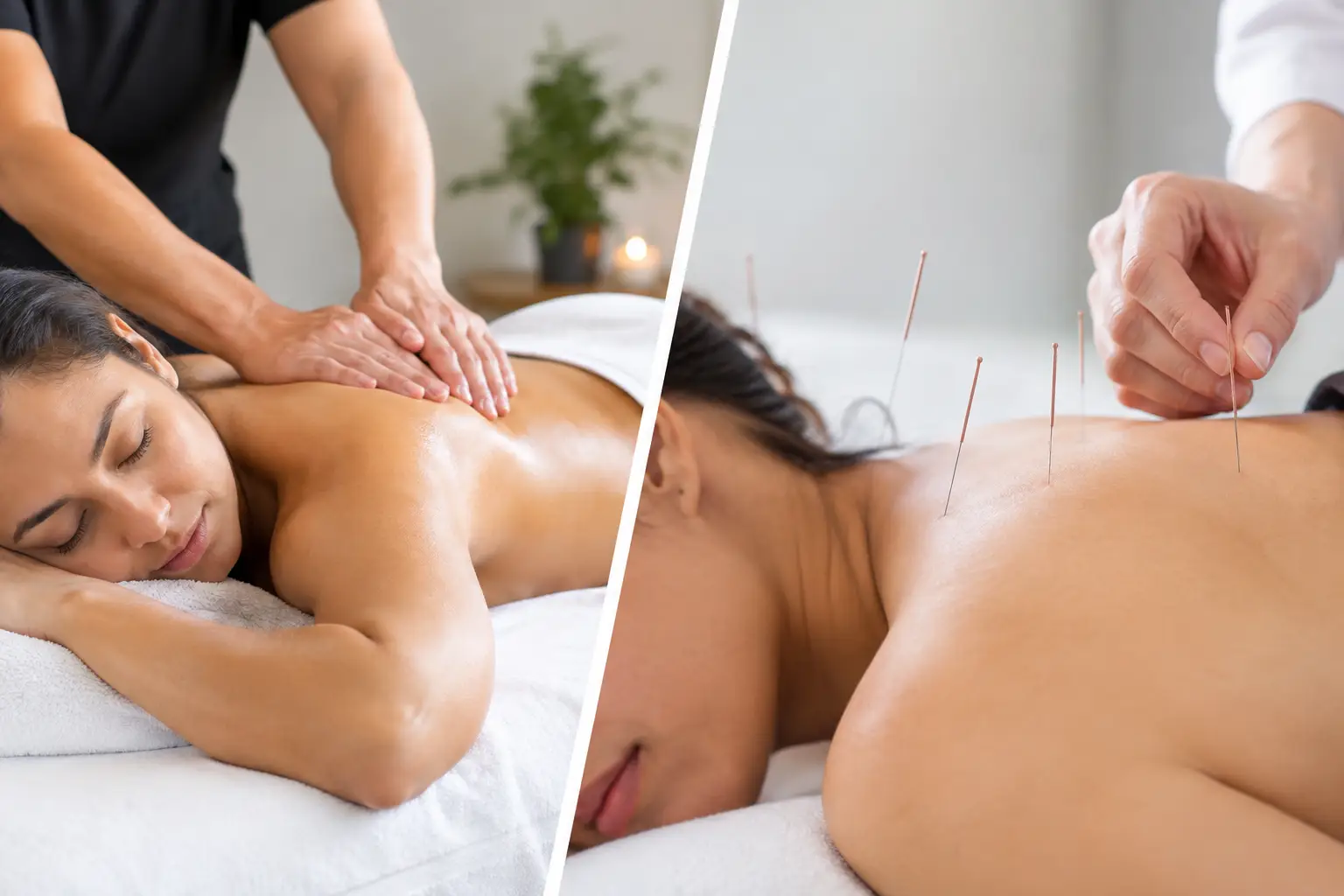
Some people benefit from complementary treatments as part of a broader plan. Massage therapy may help address tightness in the forearm and surrounding tissues, while acupuncture may be considered for symptom management in appropriate cases. These approaches should support, rather than replace, a thorough assessment and a plan to reduce ongoing nerve irritation.
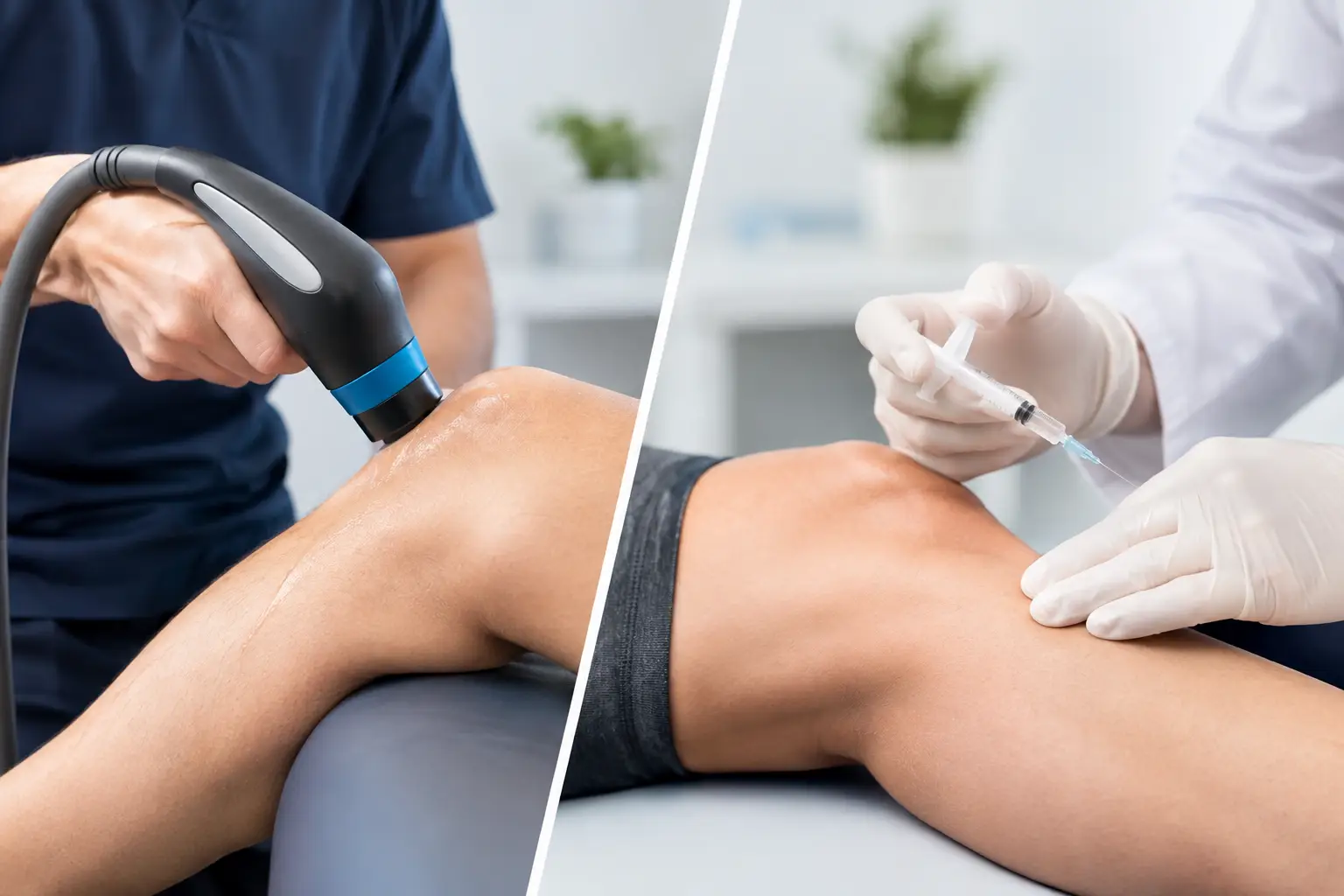
A physician may recommend anti-inflammatory medication in certain situations, a corticosteroid injection for short-term symptom reduction, diagnostic testing, or referral to a specialist. Injections can be helpful for some patients, particularly when symptoms are more persistent, but they do not correct every underlying contributor. Your provider can explain the expected benefits, risks, and alternatives based on your health history.
Surgery may be considered when symptoms are severe, nerve testing shows significant compression, conservative treatment has not helped, or weakness is progressing. Carpal tunnel release surgery creates more space for the median nerve by releasing the ligament over the tunnel. It can be highly effective, but recovery still requires patience. Tenderness around the incision, temporary weakness, and gradual return of sensation can all be part of healing.
What to expect after carpal tunnel surgery
The timeline after surgery varies. Some people notice relief from nighttime tingling quickly, while numbness that has been present for a long time can take months to improve. If the nerve was significantly compressed before surgery, full sensation or strength may not return immediately and, in some cases, may not return completely.
Your surgeon will provide guidance on wound care, driving, lifting, and returning to work. Hand and wrist movement is often introduced early, while heavier gripping and weight-bearing are progressed more gradually. A rehabilitation professional can help restore mobility, manage scar sensitivity, rebuild grip strength, and prepare you for the specific tasks that matter to you.
Do not compare your recovery too closely with someone else’s. Desk work, caregiving, food preparation, manual labor, sports, and health conditions can all change the pace of return. The better question is whether symptoms and function are trending in the right direction over time.
Habits that help prevent symptoms from returning
Long-term improvement often comes from consistency rather than one perfect exercise or treatment. Keep your wrists as neutral as practical, vary repetitive tasks, and avoid holding a tight grip longer than necessary. Build regular breaks into high-demand hand activities instead of waiting until pain forces you to stop.
General health also matters. Managing conditions such as diabetes, maintaining regular physical activity within your tolerance, and getting adequate sleep can support nerve health and recovery. If swelling is a contributor, addressing its cause with your healthcare team is more useful than repeatedly treating wrist symptoms alone.
At Active Rehab Centre, a one-on-one assessment can help connect the dots between your symptoms and the demands of your daily life. Whether your goal is to sleep through the night, work without numbness, return to the gym, or safely recover after surgery, care should be built around that goal.
Your hands do a remarkable amount of work every day. If tingling, numbness, or weakness is changing how you live, getting support early can give the median nerve the time and conditions it needs to recover.