A sharp pull in the back of your thigh can turn a normal walk, workday, or workout into a painful reminder to slow down. If you are wondering how to recover hamstring strain safely, the answer is not simply to rest until the pain disappears. The best recovery combines early protection, gradual movement, progressive strengthening, and a return to activity based on what your leg can do – not just how it feels at rest.
Hamstring strains are common in runners, field-sport athletes, and active adults, but they can also happen while lifting, slipping, bending quickly, or taking a long stride. With the right plan, many mild strains improve well. Rushing back too soon, however, is one of the biggest reasons hamstring injuries linger or return.
First, know what a hamstring strain feels like
Your hamstrings are three muscles that run along the back of your thigh. They help bend the knee, extend the hip, and control your leg as you walk, run, climb stairs, and change direction. A strain occurs when muscle fibers are overstretched or torn.
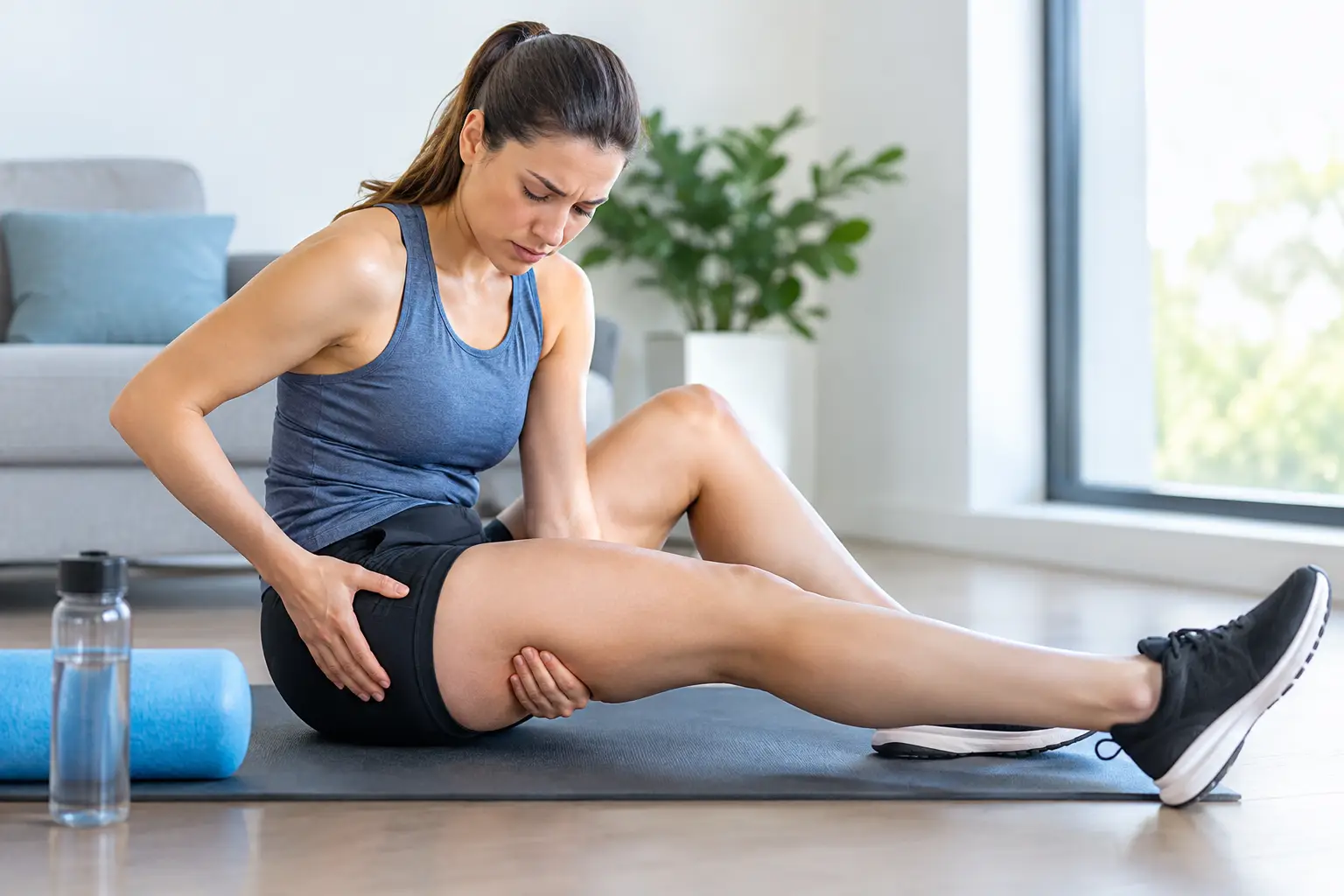
A mild strain may feel like tightness, cramping, or a small pull. You may still be able to walk, although faster walking or stairs can hurt. A more significant injury can cause sudden, sharp pain, weakness, swelling, bruising, and difficulty putting weight through the leg. Some people feel or hear a pop at the time of injury.
The grade of the strain affects recovery time. A mild injury may settle over a few weeks, while a moderate tear often needs several weeks or longer of structured rehabilitation. A severe tear can take months and may require specialist assessment. Timelines vary, so it is better to track function and progress than to rely on a calendar alone.
How to recover from a hamstring strain in the first few days
For the first 48 to 72 hours, protect the area from movements that create a sharp pull. Avoid sprinting, deep forward bends, forceful stretching, heavy lifting, and activities that make you limp. Complete bed rest is usually not helpful. Gentle, pain-limited movement can keep the leg from becoming excessively stiff.
Use relative rest. This means adapting your day rather than doing nothing. Short, comfortable walks may be appropriate if you can walk without a noticeable limp. If walking increases pain during or after the activity, reduce the distance or use support as advised by a health professional.
Cold therapy may reduce pain in the early stage for some people. Apply a wrapped cold pack for brief periods, and do not place ice directly on your skin. Compression can also feel supportive when swelling is present. These measures can improve comfort, but they do not replace rehabilitation.
Do not force a hamstring stretch because the muscle feels tight. Early tightness is often a protective response, and aggressive stretching can irritate healing tissue. The goal at this stage is calm, tolerable movement rather than maximum flexibility.
Restore movement before you chase flexibility
As sharp pain begins to settle, start with gentle range-of-motion exercises. A physiotherapist may recommend simple heel slides, supported knee bends, or controlled hip movements based on the location and severity of your strain. These exercises should feel manageable, not like you are testing your limits.
Pain is useful feedback. Mild discomfort that settles quickly can be acceptable during rehabilitation, but sharp pain, worsening pain, or increased limping means the load is likely too high. It also helps to notice how your hamstring responds later that day and the next morning. If symptoms are noticeably worse, scale back.
Regaining motion matters, but flexibility is only one piece of recovery. A hamstring that can stretch farther but cannot handle force is still vulnerable when you return to running, lifting, or quick movements.
Build hamstring strength gradually
Strengthening is the part of recovery that helps prepare your hamstring for real life. The muscle needs to tolerate both shortening and lengthening under load. Lengthening strength is especially relevant because many hamstring strains happen when the muscle is working hard while lengthening, such as during running or reaching forward.
Your starting point depends on pain, mobility, and your usual activity level. Early exercises may include gentle muscle contractions, bridges, and supported heel digs. As you improve, rehabilitation can progress to hip-hinge patterns, hamstring curls, single-leg bridge variations, controlled deadlift movements, and more demanding eccentric exercises.
Technique matters. If your back takes over, your pelvis twists, or you feel pain at the injury site, the exercise may need to be adjusted. Progressing too quickly can cause a flare-up; progressing too slowly can leave the muscle underprepared. A personalized plan helps find the right middle ground.
It is also worth strengthening the surrounding areas. Your glutes, calves, core, and hip muscles all influence how force travels through your leg. For example, limited hip control or fatigue in the glutes may cause the hamstrings to work harder than they should during running, climbing, or lifting.
Return to running, sport, or demanding work step by step
Feeling better during daily activities does not automatically mean you are ready for a pickup game, a long run, or a job that requires frequent lifting. These activities place greater demands on the hamstring, often at higher speed or in a stretched position.
A safe return is gradual. You might begin with brisk walking, then introduce easy jogging, faster running, and finally sport-specific movements such as acceleration, stopping, cutting, or kicking. Each stage should be tolerated before moving to the next one.
Before returning to full activity, you should generally be able to walk quickly without pain or limping, move the hip and knee comfortably, perform strengthening exercises with good control, and complete job- or sport-specific movements without symptoms. Confidence matters too. Guarding the leg because you expect pain can change your movement pattern and increase stress elsewhere.
If you are an athlete, the final stage of rehab should look like your sport. A soccer player needs more than a comfortable jog. They need to sprint, decelerate, reach, and kick with control. Someone returning to a physical job may need practice with lifting mechanics, stairs, carrying, or repeated bending.
When a hamstring strain needs professional care
Seek prompt assessment if you heard a pop, cannot walk normally, have substantial bruising or swelling, see a change in the shape of the muscle, or have severe pain. These signs can indicate a more significant tear or another injury that should not be managed with home exercises alone.
You should also book an evaluation if pain is not improving after several days, keeps returning when activity increases, or is located high near the buttock. Pain in this area can sometimes involve the proximal hamstring tendon and may require a more specific approach. Numbness, tingling, calf swelling, fever, or unexplained symptoms deserve medical attention as well.
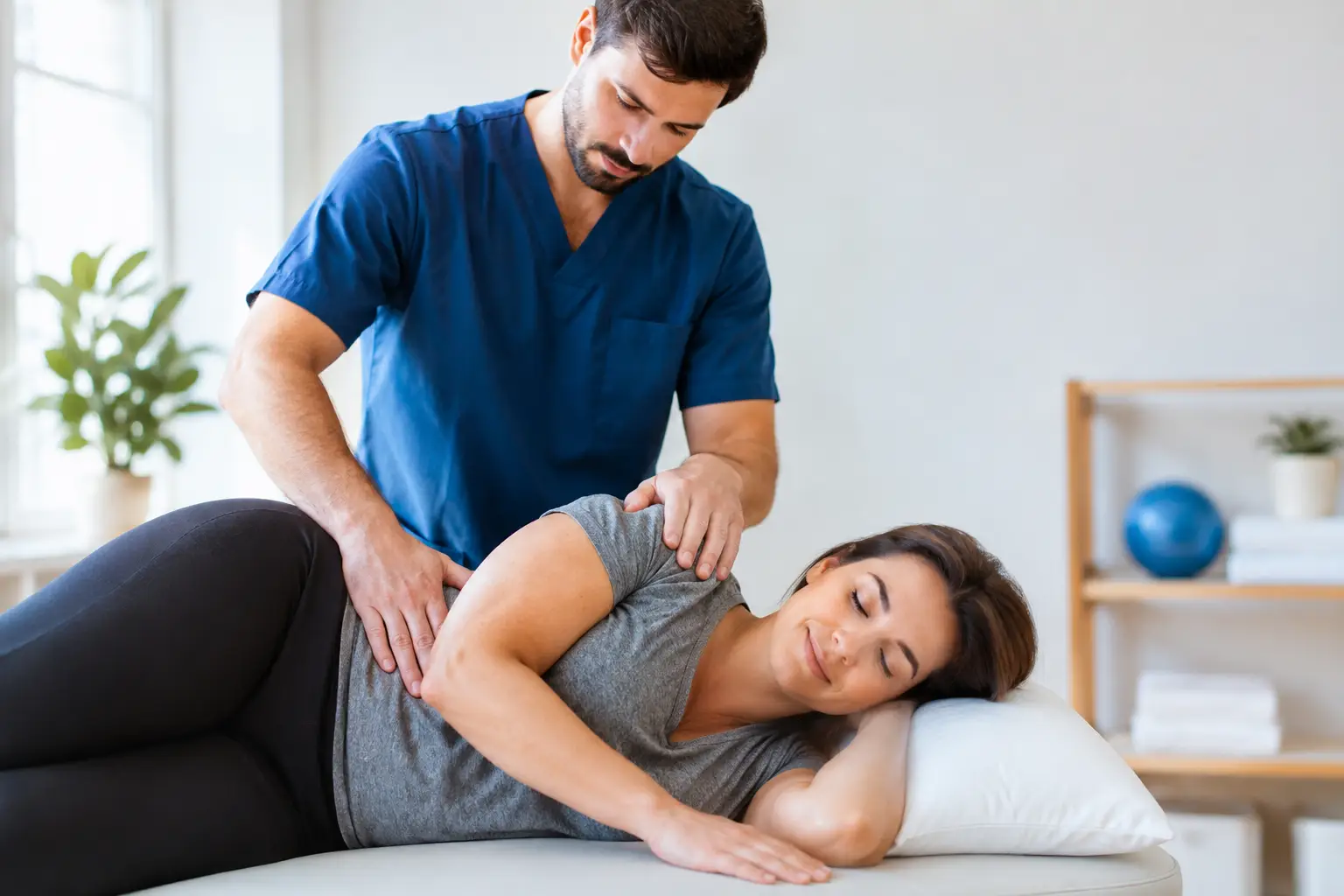
At Active Rehab Centre, a licensed physiotherapist can assess your movement, identify the demands of your work or activity, and build a recovery plan around your goals. Hands-on care, targeted exercise, and coordinated support from other rehabilitation services may be appropriate depending on your symptoms and needs.
Common mistakes that delay recovery
The most common mistake is trying to “stretch it out” aggressively because the hamstring feels tight. Another is returning to full speed as soon as walking becomes comfortable. Both can overload tissue that is improving but not yet ready for high force.
It is also easy to focus only on the painful spot. Hamstring recovery is more effective when it includes hip control, glute strength, and a gradual rebuild of the movements you need. Finally, do not ignore repeated strains. Recurrence often signals that something in your loading, strength, running mechanics, or recovery routine needs attention.
A hamstring strain can be frustrating, especially when it interrupts the activities that help you feel like yourself. Give the injury enough respect to heal, keep moving within tolerable limits, and get guidance if you are unsure about the next step. A measured recovery now can help you return with more confidence and less risk of another setback.