A tendon injury can make ordinary movements unexpectedly difficult. A sore Achilles can change the way you walk. Elbow pain can make lifting a coffee mug irritating. A painful shoulder tendon may interrupt sleep. This guide to tendon injury recovery explains what healing commonly requires, why tendons need more than rest alone, and how a personalized rehabilitation plan can help you return to the activities that matter to you.
Tendons connect muscle to bone. They transfer force when you walk, climb stairs, reach overhead, grip, jump, or carry something heavy. Because tendons receive less blood flow than muscles, they can take longer to recover. The goal is not simply to wait for pain to disappear. It is to gradually restore the tendon’s ability to tolerate the demands of your work, sport, and daily life.
Guide to Tendon Injury Recovery: Start With the Right Diagnosis
The word “tendonitis” is often used for any tendon pain, but not all tendon problems are the same. A sudden injury may involve a strain, partial tear, or complete rupture. Pain that develops gradually may be related to tendinopathy, a change in the tendon caused by repeated overload. Common areas include the shoulder rotator cuff, elbow, wrist, hip, knee, Achilles tendon, and foot.
The right treatment depends on the tendon involved, how the symptoms started, your medical history, and the activities you need to return to. A runner with Achilles pain, for example, may need different loading progressions than a warehouse worker with elbow pain or a parent managing shoulder discomfort from lifting a child.
An assessment with a licensed rehabilitation professional can help identify movement patterns, strength deficits, joint restrictions, and training errors that may be keeping the problem active. It can also help rule out conditions that need more urgent medical attention.
Know when to seek prompt medical care
Do not try to exercise through a suspected serious tendon injury. Seek prompt medical assessment if you experience:
- A sudden pop, snap, or tearing sensation followed by weakness
- Inability to bear weight, push off the foot, raise an arm, or use the affected limb normally
- Significant swelling, bruising, deformity, or a visible gap near the tendon
- Severe pain after a fall, collision, or other trauma
- Increasing redness, warmth, fever, numbness, or unexplained swelling
A complete tendon rupture often needs timely medical management. Early assessment can make a meaningful difference in the options available to you.
Rest the Tendon Without Becoming Too Still
In the first days after a flare-up or injury, reducing aggravating activity is sensible. If running triggers Achilles pain, for instance, temporarily cutting back on hills, speed work, or distance may be necessary. If repetitive gripping aggravates elbow pain, modifying lifting technique, tool use, or workout volume can calm symptoms.
But complete rest for weeks is rarely the full answer for most non-rupture tendon problems. Tendons adapt to carefully applied load. Too little movement can leave the surrounding muscles weaker and make the tendon less prepared when you return to normal activity.
Instead, think in terms of relative rest. Keep moving in ways that do not sharply increase symptoms. Depending on the injury, that might mean walking on level ground, cycling with low resistance, swimming, or training unaffected body areas. A physiotherapist can help you identify what is safe to continue and what needs a short-term adjustment.
Pain is useful information, but it is not always a stop signal. Mild discomfort during rehabilitation exercise can be acceptable for some tendon conditions when it settles afterward and does not worsen from day to day. Sharp pain, limping, loss of strength, or symptoms that remain noticeably elevated the next morning usually mean the activity was too demanding.
Build Capacity With Progressive Loading
A tendon needs gradual, repeated exposure to load to become more capable. This is the foundation of tendon rehabilitation. The exact exercises vary, but the sequence often moves from low-irritation muscle activation to heavier strengthening and then to sport- or job-specific movements.
Early exercises may use isometric contractions, where the muscle works without much joint movement. For some people, these exercises can reduce pain while maintaining connection between the muscle and tendon. From there, rehabilitation may progress to slow resistance exercises, such as controlled calf raises for Achilles symptoms or carefully paced wrist extension exercises for tennis elbow.
As strength and tolerance improve, the program needs to reflect real life. A basketball player may progress toward hopping, landing, and change-of-direction drills. Someone with shoulder pain may practice lifting, reaching, and carrying tasks. A desk worker with wrist or elbow symptoms may work on grip endurance and ergonomic changes.
Progression should be steady, not rushed. Adding too much weight, speed, volume, or frequency at once is a common reason symptoms return. A good plan changes one or two variables at a time and checks how your body responds over the next 24 hours.
Recovery timelines are individual
Many people want to know exactly how long tendon recovery will take. The honest answer is that it depends. A mild flare-up may improve within several weeks with the right changes. Long-standing tendinopathy can take several months of consistent rehabilitation. Partial tears, post-surgical recovery, medical conditions, smoking, sleep quality, medication use, and repeated work demands can all affect the timeline.
Improvement is also rarely perfectly linear. You may have better and worse days. What matters is the overall trend: less frequent pain, improved strength, greater confidence, and a growing ability to do the movements you need.
Support Healing Beyond Exercise
Exercise is central, but it is not the only part of recovery. Your daily habits can either support the process or make loading harder to manage.
Sleep gives your body time to recover and can influence pain sensitivity. Nutrition matters as well, particularly regular meals that provide enough protein and overall energy to support tissue repair and training. If you are trying to lose weight while recovering, an overly restrictive diet may leave you with less energy for rehabilitation. A nutrition professional can help create an approach that fits your health goals.
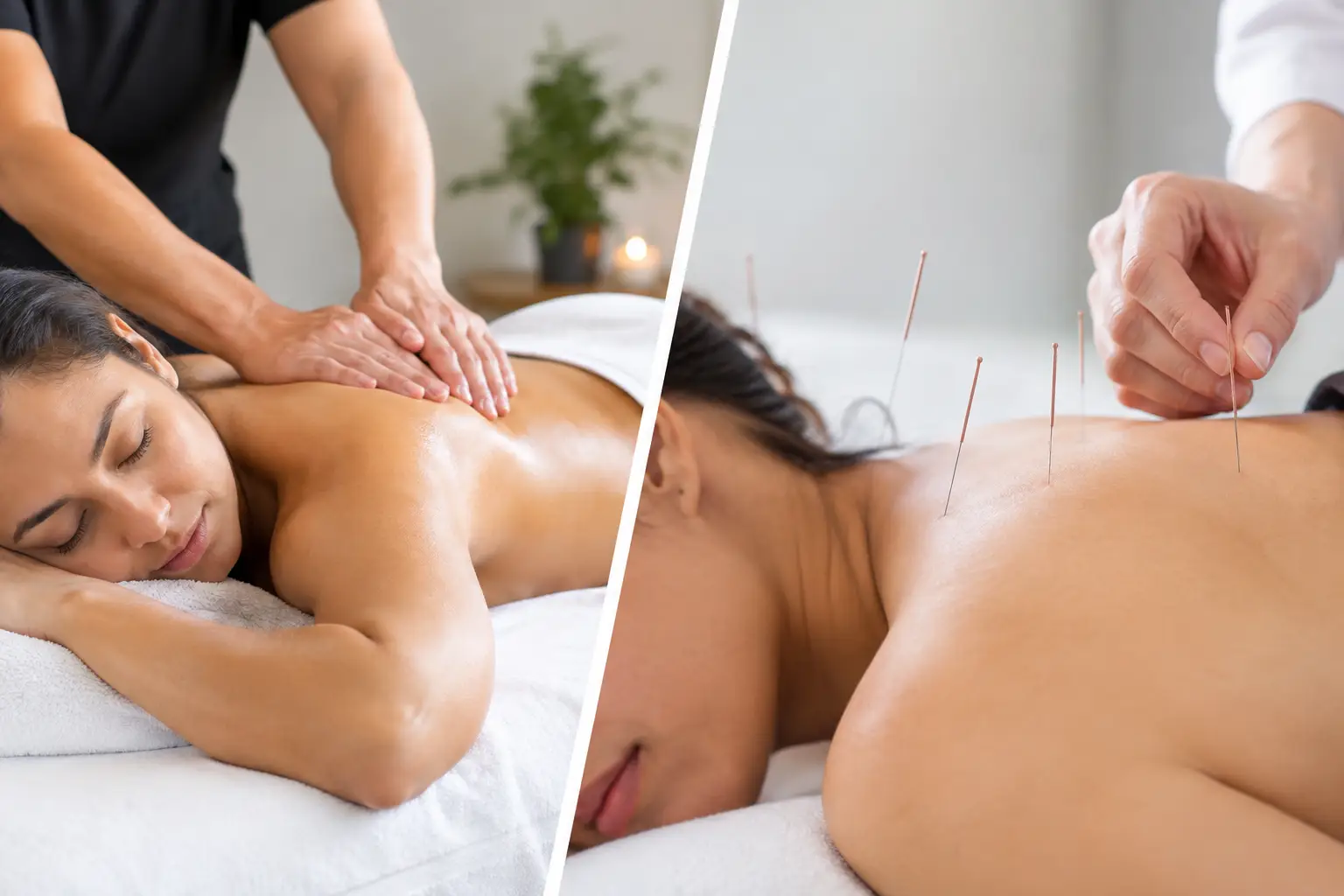
Hands-on care may also have a role when pain, stiffness, or muscle guarding limits your ability to begin exercise. Physiotherapy, chiropractic care, massage therapy, and acupuncture can be considered as part of a broader plan, depending on your needs and preferences. These approaches are most useful when they help you move more comfortably and participate in progressive rehabilitation, rather than replacing it.
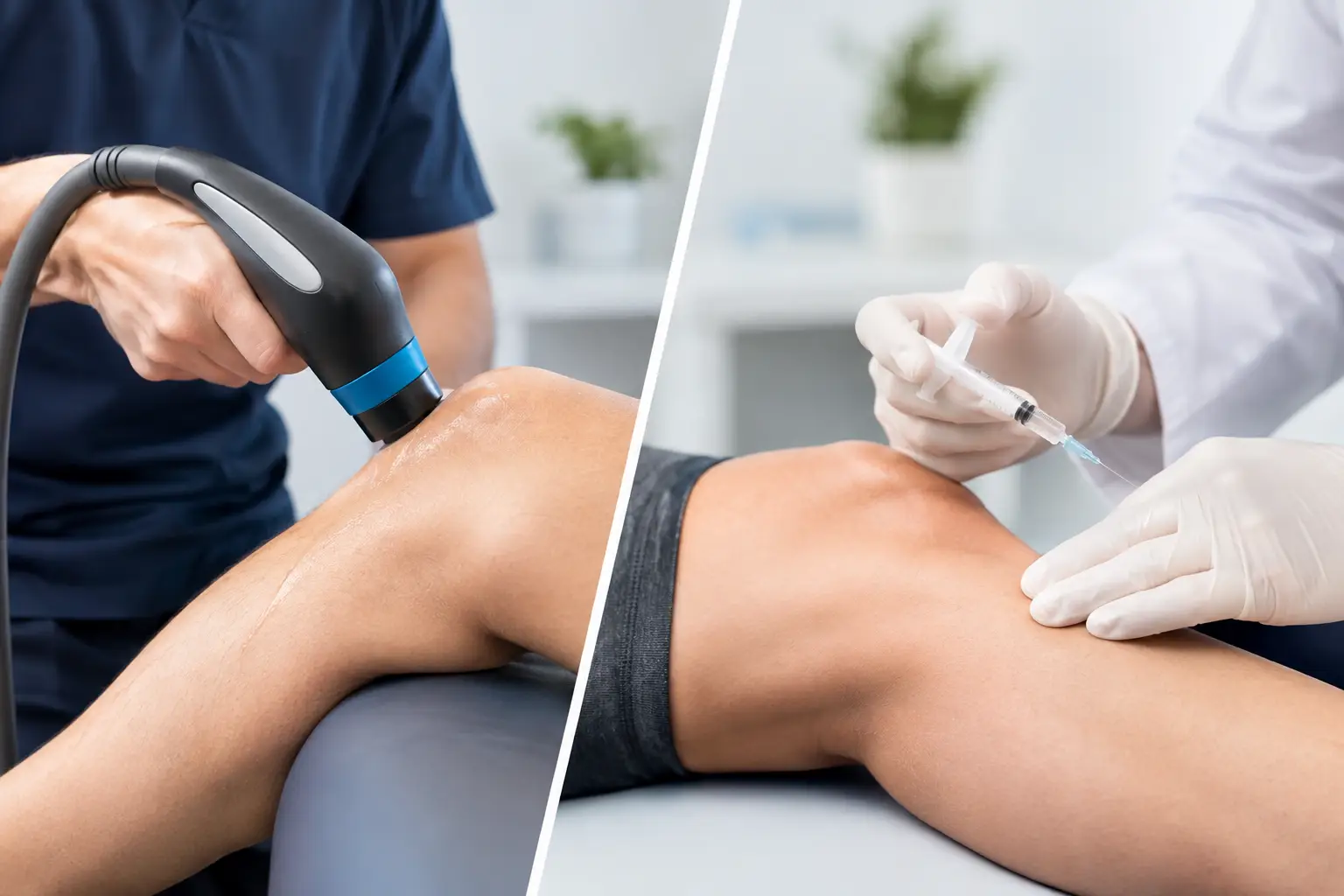
Some clinics may also discuss technology-based treatment options such as SoftWave Therapy. Whether it is appropriate depends on the diagnosis, severity, and stage of recovery. Ask what the treatment is intended to address, how it fits with exercise-based rehab, and what results are realistic for your condition.
Avoid the Most Common Setbacks
The biggest setback is often the boom-and-bust cycle: doing too much on a good day, triggering a flare-up, then stopping everything until pain settles. A more reliable approach is to use a consistent baseline and increase gradually.
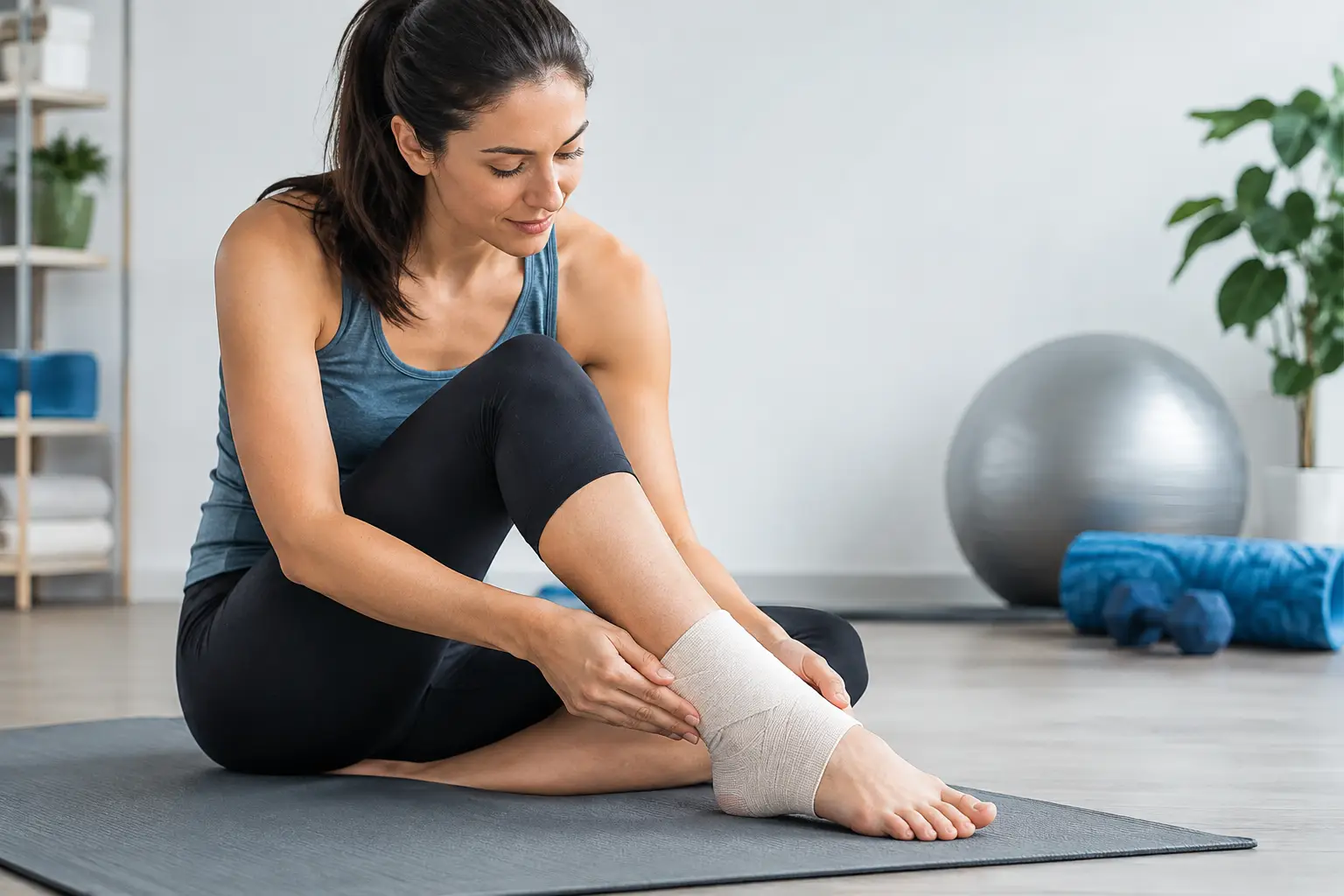
Be careful with passive treatments that promise a quick fix. Ice, heat, braces, supportive footwear, or taping can sometimes improve short-term comfort, but they do not automatically rebuild tendon capacity. The same is true of anti-inflammatory medication. It may be appropriate for some injuries under medical guidance, but it is not a substitute for identifying the cause of overload and following a structured rehabilitation plan.
Returning to sport or demanding work should be based on function, not just pain relief. Before returning to running, for example, you may need enough calf strength and control to handle repeated hopping and walking without a symptom flare. Before returning to overhead work, your shoulder should tolerate lifting and reaching at the loads your job requires.
Personalized Care Makes Recovery More Practical
Tendon recovery works best when it fits your real schedule. A plan must account for whether you stand all day, commute, play recreational sports, care for family, or train at the gym. It should also be adjusted when symptoms change rather than handed to you as a generic sheet of exercises.
At Active Rehab Centre, licensed practitioners can coordinate hands-on care, exercise-based rehabilitation, and complementary support to help patients move forward with confidence. The focus is on practical progress: reducing pain, restoring movement, and building the strength needed for the activities that make up your life.
You do not need to wait until tendon pain becomes a major limitation. If a sore tendon has been lingering, a careful assessment and a manageable plan can give you a clear next step. Start with the movement you can do today, then give your body the consistent support it needs to do more tomorrow.