A missed step off a curb, a quick turn to answer a phone, or standing on one leg to put on a shoe can reveal how much balance affects daily life. Balance training exercises are not just for athletes or older adults. They can help anyone who feels unsteady after an injury, wants to return to activity safely, or simply wants to move with more confidence.
Good balance is not about holding a difficult pose for as long as possible. It is your body’s ability to react, adjust, and stay controlled when your position changes. That involves your muscles, joints, vision, inner ear, and nervous system working together. A well-chosen program builds those skills gradually, without pushing you into movements that do not feel safe.
Why Balance Changes After Pain or Injury
Pain, swelling, weakness, and limited joint movement can all affect balance. After an ankle sprain, for example, the ankle may not send clear information to the brain about where the foot is positioned. Following knee surgery or a period of back pain, people may unconsciously avoid loading one side of the body. That protective pattern can be helpful at first, but it may linger after the original injury improves.
Balance can also change with age, reduced activity, certain medications, arthritis, vision changes, or conditions affecting the nerves. The goal is not to blame one factor. It is to identify what is limiting your stability and train the right skill at the right level.
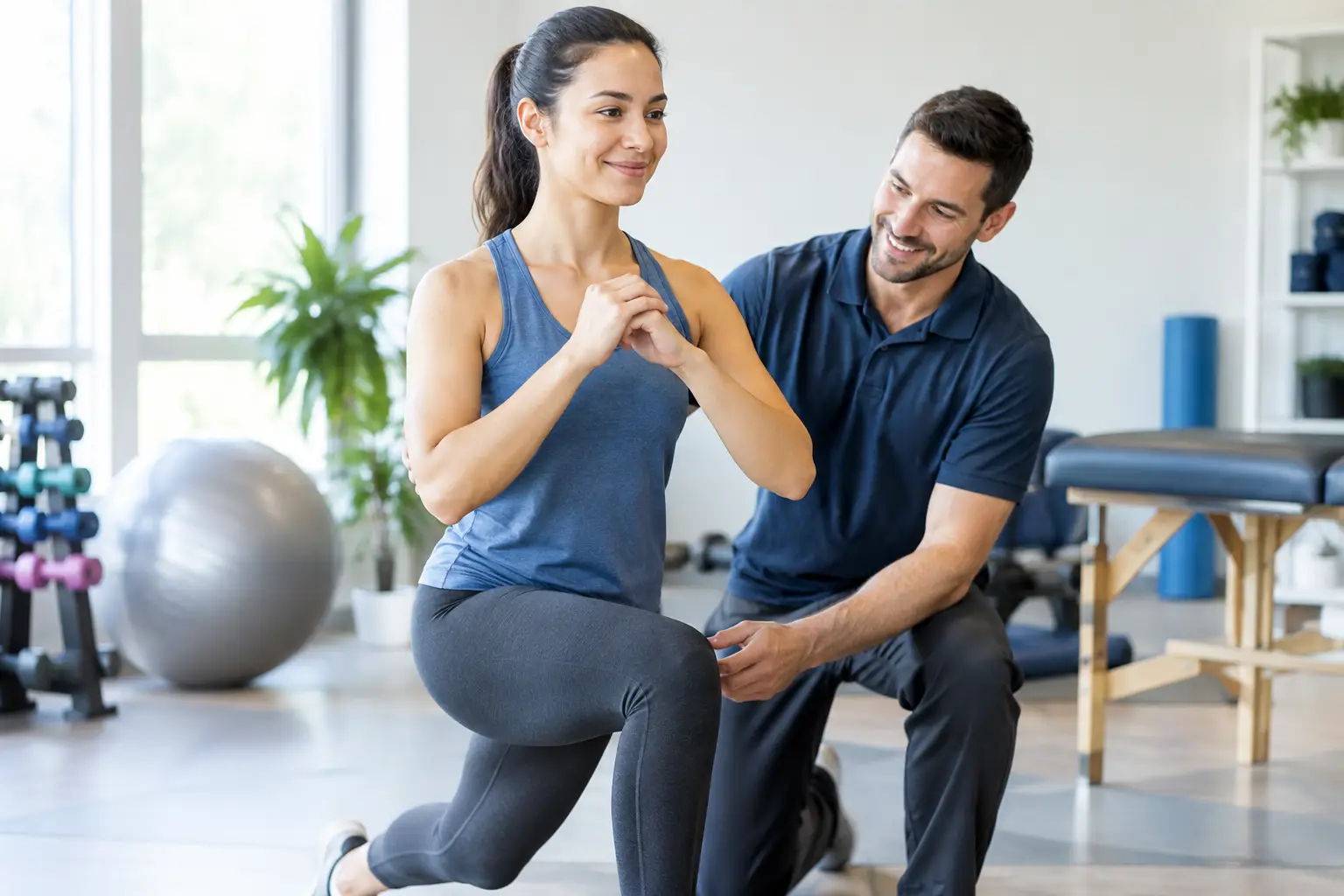
For an active adult, that may mean improving single-leg control before returning to running, tennis, or basketball. For someone recovering from a fall or managing arthritis, it may mean feeling safer walking through the grocery store, climbing stairs, or getting up from a chair. The best exercise plan depends on your starting point and your goals.
Before You Start Balance Training Exercises
Choose a clear space near a stable counter, wall, or heavy chair. Wear supportive footwear unless a healthcare professional has specifically recommended barefoot training. Keep something solid within reach, especially when practicing a new exercise.
Balance work should challenge you without making you feel as though you might fall. A light wobble is often appropriate. Sharp pain, increasing swelling, dizziness, numbness, chest pain, or a feeling that you may faint are signals to stop and seek medical guidance.
Start with short sessions two to four times per week. Quality matters more than duration. If you need to hold the counter with two hands, that is not a failure. It is the right level for today. As control improves, you can use less hand support, slow the movement, or add a carefully chosen challenge.
Five Practical Balance Exercises to Build Control
1. Weight Shifts
Stand with your feet about hip-width apart and your hands close to a counter. Slowly shift your body weight onto your right foot without leaning your trunk. Pause for two or three seconds, then shift to the left.
This is a useful starting point after time away from activity or when standing on one leg feels too difficult. Keep both feet on the floor at first. Aim for eight to 12 controlled shifts per side. The movement should feel smooth, not rushed.
2. Heel-to-Toe Standing
Place one foot directly in front of the other, with the heel of the front foot close to the toes of the back foot. Use the counter for support as needed. Hold for 10 to 30 seconds, then switch which foot is in front.
This position narrows your base of support, which challenges balance in a way that relates to walking in tight spaces or turning. If placing the feet directly in line feels too difficult, leave a small gap between them. Progression is not all-or-nothing.
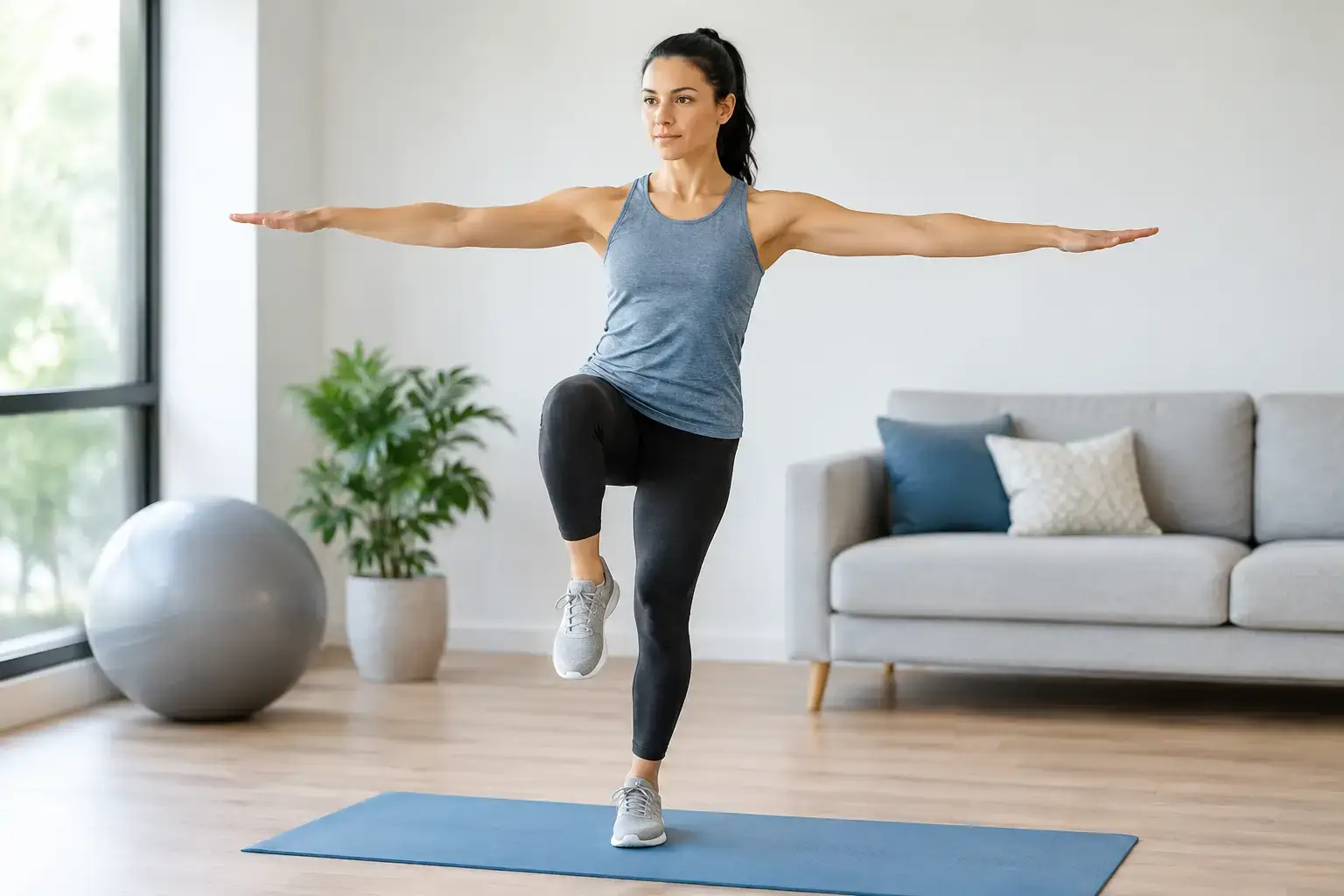
3. Single-Leg Stance
Stand beside a stable support and shift your weight onto one leg. Lift the opposite foot just slightly from the floor and hold. Keep your hips level and avoid gripping your toes or leaning heavily to one side.
Begin with five to 10 seconds per side and repeat several times. Over time, work toward 20 to 30 seconds with less hand support. This exercise is especially relevant after ankle, knee, hip, or foot injuries, but it should be adjusted if standing on one leg causes pain.
4. Sit-to-Stand With Control
Sit toward the front of a firm chair with your feet flat on the floor. Lean slightly forward, press through both feet, and stand without using your hands if safe. Pause once upright, then slowly sit back down.
Sit-to-stand training improves the leg strength that supports balance during everyday tasks. Focus on keeping your knees in line with your toes and distributing weight evenly between both legs. Perform six to 10 repetitions at a controlled pace. If you have knee pain, use a higher chair or reduce the range rather than forcing the movement.
5. Supported Step Taps
Stand facing the bottom stair or a low, stable step while holding a railing or counter. Slowly tap one foot onto the step, return it to the floor, and alternate sides. Keep your standing leg steady and your posture tall.
Step taps train weight transfer, coordination, and control during stair climbing. Start with a low surface and move deliberately. Once this feels easy, you may reduce hand support, but only if you can maintain good control.
How to Progress Without Taking Unnecessary Risks
The simplest way to make balance training exercises harder is to reduce support gradually. You might begin with both hands on a counter, progress to fingertips, then use one hand. Another option is to hold a position longer or complete the same movement more slowly.
Changing the surface or closing your eyes can create a much bigger challenge, but these progressions are not right for everyone. They should not be your first step, particularly if you have a recent injury, a history of falls, dizziness, neuropathy, or significant joint instability. More difficult is not always more effective.
For athletes, balance training may eventually include reaching, catching, direction changes, or controlled hopping. For many people, the most meaningful progress is simpler: walking through the community without watching every step, getting dressed while standing, or moving around the kitchen with confidence.
When Personalized Assessment Makes a Difference
If your balance changed suddenly, you have fallen recently, or you feel dizzy or faint, seek prompt medical evaluation. Ongoing unsteadiness also deserves attention, especially when it affects work, exercise, or daily independence.
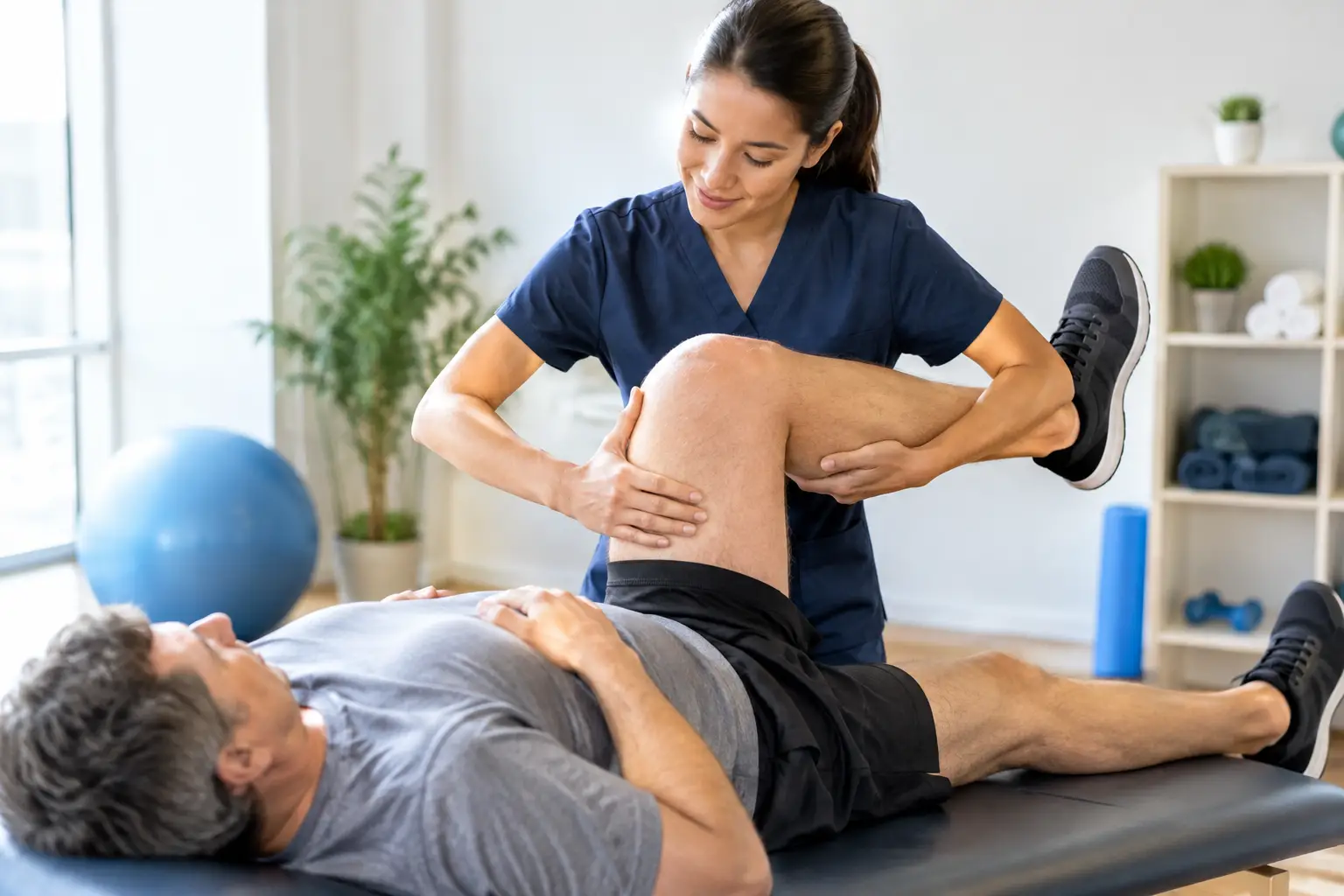
A licensed physiotherapist can assess strength, joint mobility, walking patterns, pain, and the specific situations that make you feel unstable. This matters because poor balance is not always caused by weak muscles alone. An ankle that has not regained motion, a painful knee, reduced hip strength, or a nervous system response after injury may each require a different approach.
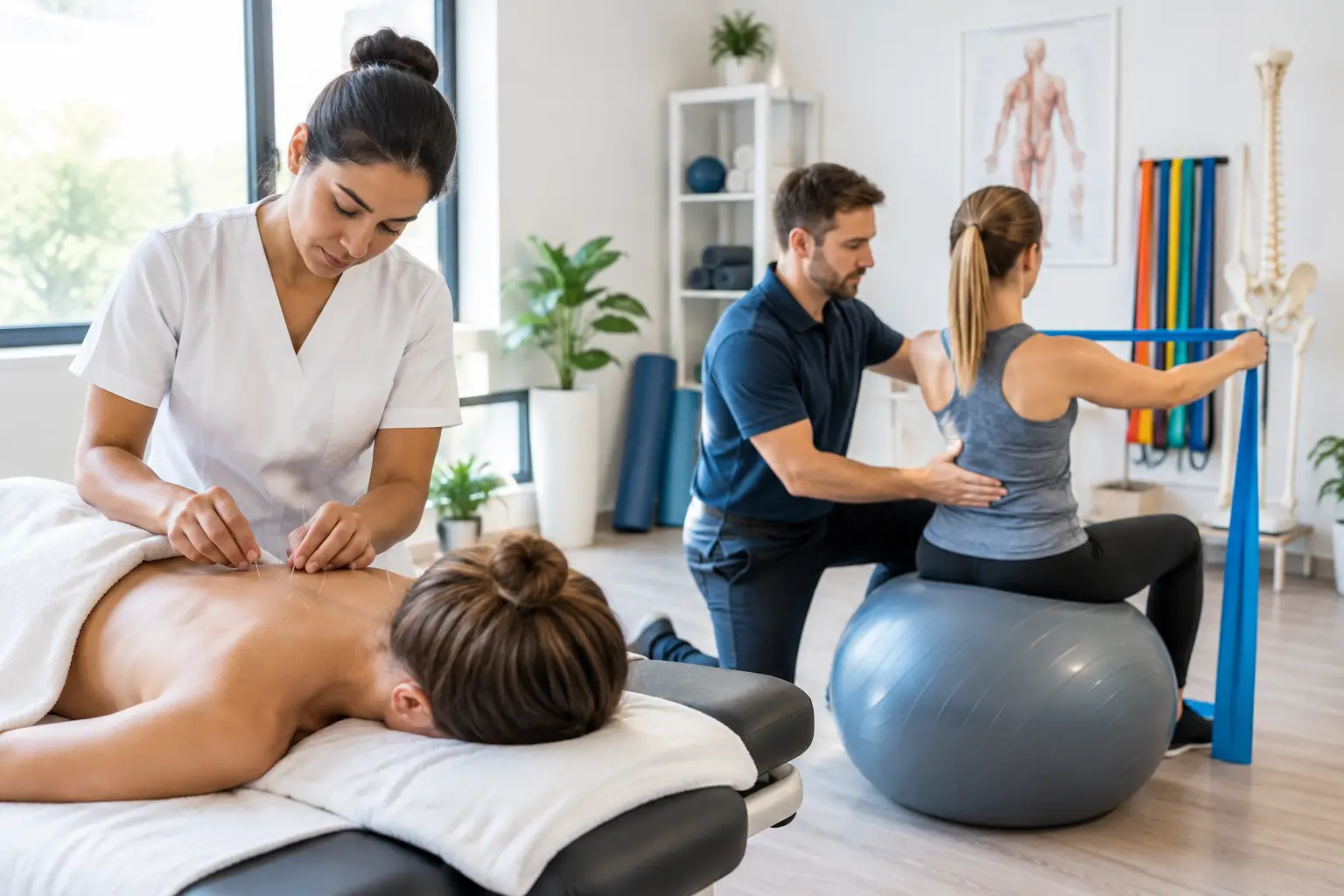
At Active Rehab Centre, individualized rehabilitation can bring balance training together with hands-on care, strengthening, mobility work, and guidance for returning to the activities that matter to you. A personalized plan can help you build confidence while respecting your current limits.
Start where you are, use support when you need it, and give your body time to learn. A few focused minutes of practice done consistently can make everyday movement feel steadier, safer, and more comfortable.