A sore shoulder that will not settle down, heel pain that keeps returning, or knee stiffness that makes stairs feel harder than they should – these are the kinds of problems that lead many people to ask about softwave therapy. When pain lingers, most people are not looking for hype. They want a treatment that makes sense, feels manageable, and fits into a real recovery plan.
What is softwave therapy?
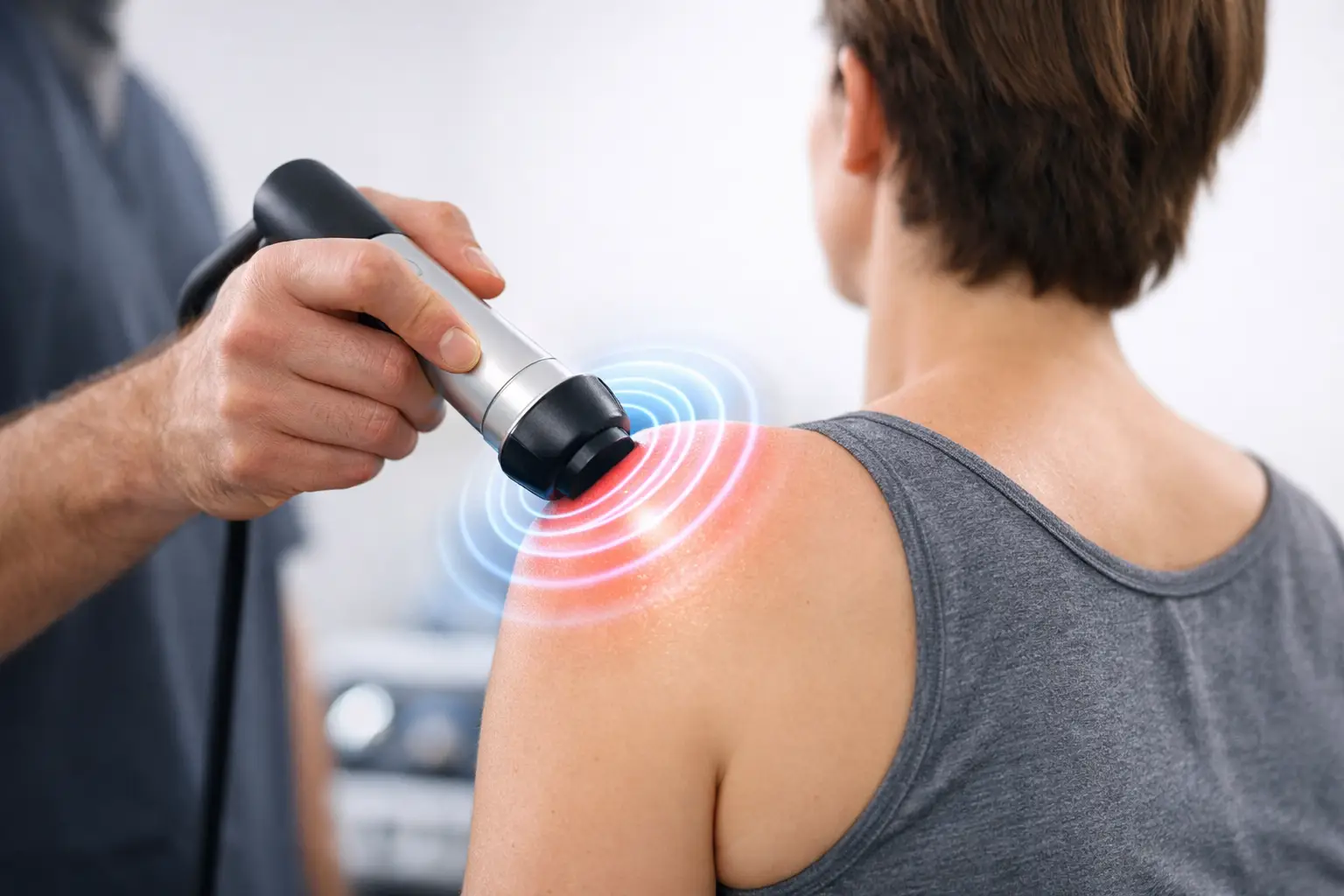
Softwave therapy is a non-invasive treatment that uses electrohydraulic supersonic acoustic waves to stimulate the body’s natural healing response. In plain terms, it delivers high-energy sound waves into injured or irritated tissue. Those waves are designed to trigger biological activity in the treatment area, which may help improve circulation, reduce pain signals, and support tissue repair.
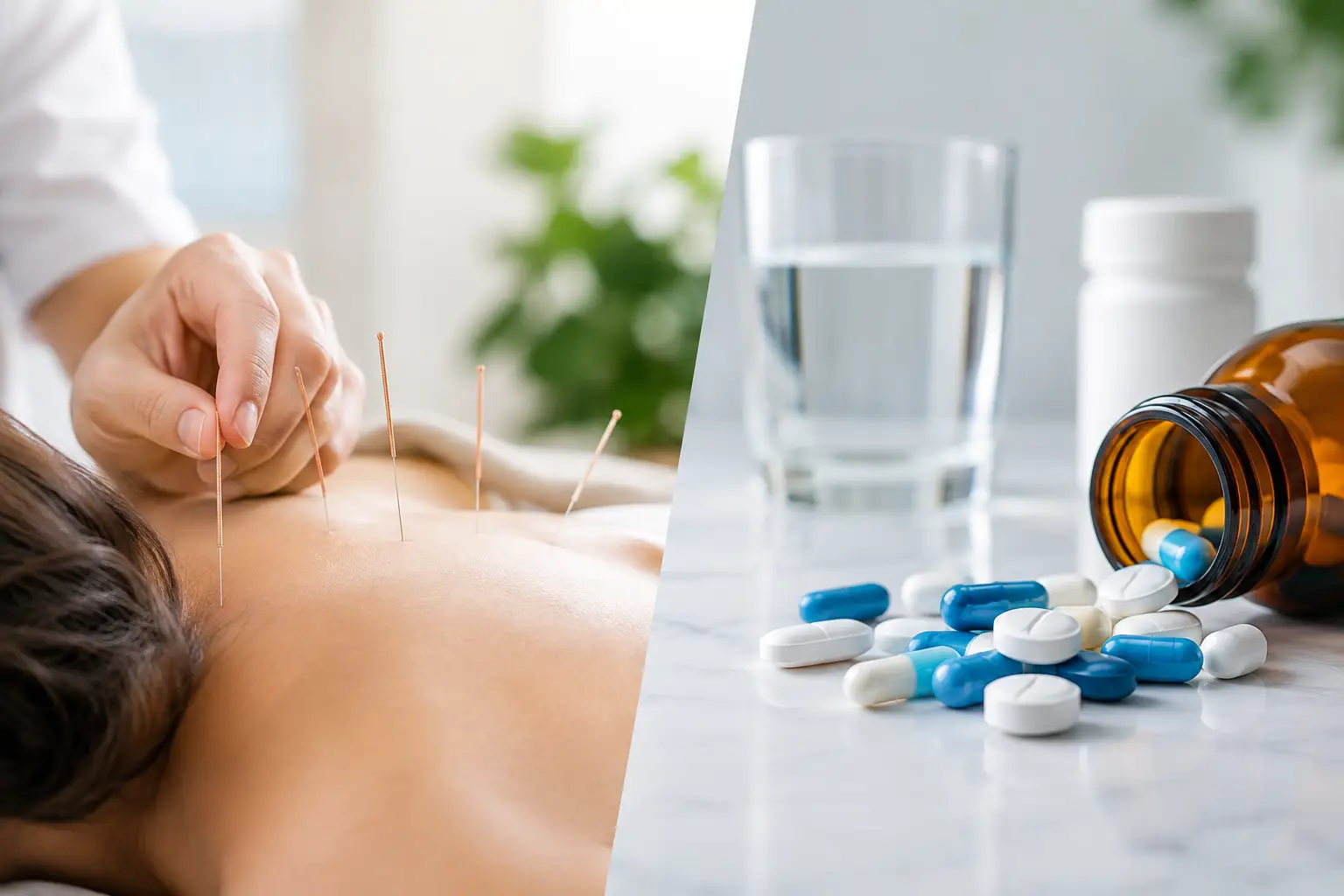
This is one reason people often ask whether it is the same as surgery, injections, or medication. It is not. There are no incisions, and there is typically no downtime in the way people usually think of downtime after more invasive care. That said, it is not a magic fix either. Like most rehabilitation tools, its value depends on the condition being treated, how long the problem has been present, and whether it is part of a broader treatment plan.
How softwave therapy works in the body
When tissue is irritated or healing poorly, the body can get stuck in a cycle of pain, inflammation, compensation, and reduced movement. Softwave therapy is used to interrupt that cycle. The acoustic waves create a mechanical stimulus in the tissue, which may help activate healing responses at the cellular level.
Some patients describe the goal as “waking up” an area that has not fully recovered. Clinically, that can mean encouraging blood flow, supporting the release of growth factors, and helping the body address chronic soft tissue dysfunction. It may also help reduce pain by influencing local nerve activity.
This matters most in cases where rest alone has not solved the problem. A tendon that has been aggravated for months, a plantar fascia flare-up that keeps returning, or scarred tissue after injury may need more than time. The treatment is often used to create a better environment for recovery, especially when paired with hands-on care and exercise-based rehab.
What conditions may respond to softwave therapy?
Softwave therapy is commonly considered for musculoskeletal pain and stubborn injuries. That includes plantar fasciitis, Achilles tendon pain, tennis elbow, golfer’s elbow, shoulder tendinopathy, knee pain, hip pain, and certain chronic neck or back issues related to soft tissue dysfunction.
It may also be used when recovery has plateaued. For example, someone who has already tried stretching, activity modification, or basic home care may still feel limited by pain during work, exercise, or daily movement. In those cases, adding a different form of stimulation can sometimes help move progress forward.
Still, not every condition is the right fit. If pain is being driven by a fracture, an active infection, certain nerve disorders, or another issue that needs medical investigation first, treatment should be approached carefully. A proper assessment matters because the same symptom – like heel pain or shoulder pain – can have different causes.
What a session usually feels like
One of the first questions people ask is simple: does it hurt?
Most people feel pulsing or tapping sensations over the treatment area. If the tissue is very sensitive, there can be some discomfort during parts of the session, but it is typically brief and tolerable. Providers often adjust the intensity based on the person, the body part, and the goal of treatment.
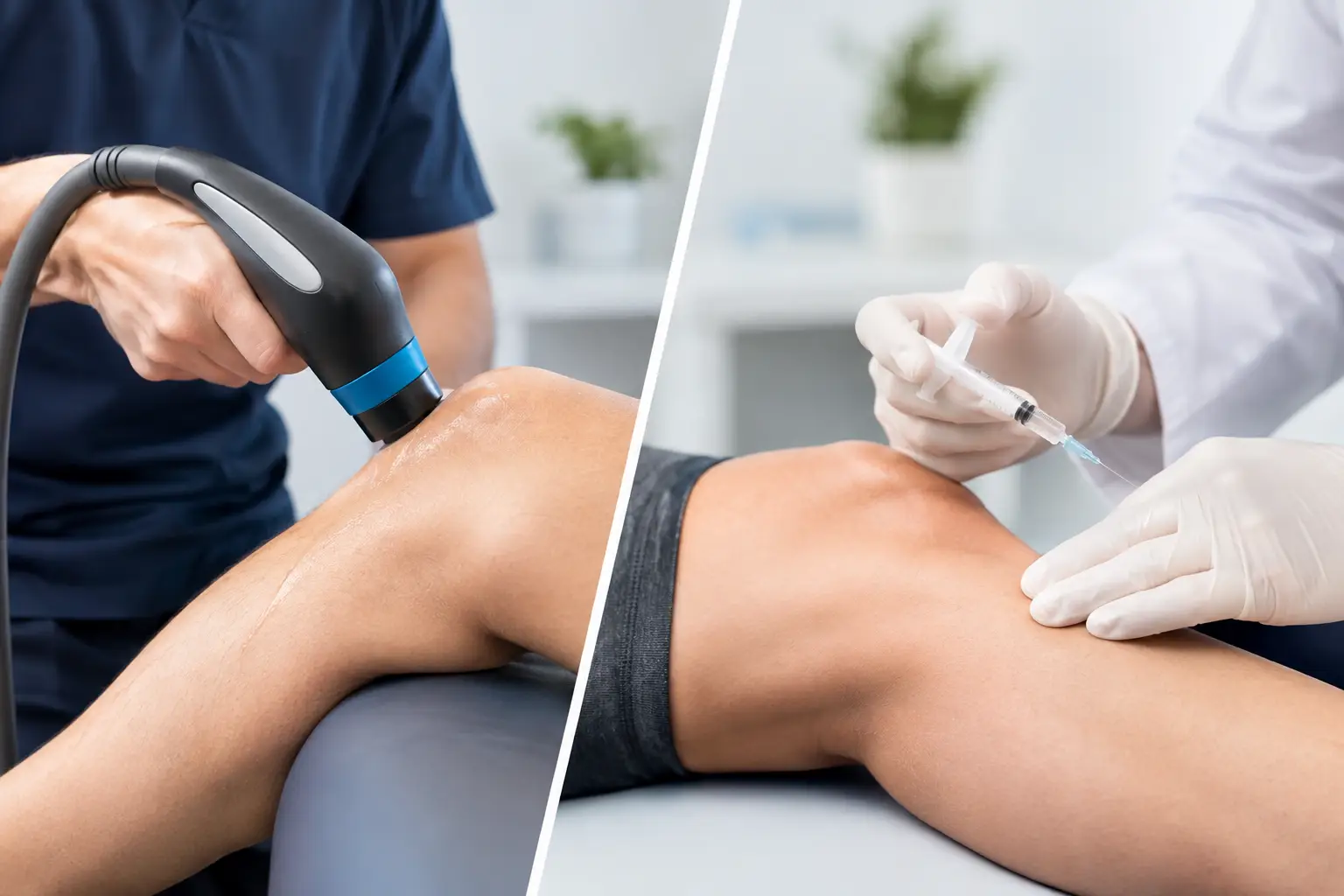
A visit is usually fairly short. The clinician identifies the target area, applies gel to help transmit the waves, and uses the treatment applicator over the skin. Afterward, some people feel immediate relief, while others notice gradual change over the next several days. Mild soreness can happen, especially when treating chronic problem areas, but that does not necessarily mean anything is wrong. It can simply reflect that the tissue has been stimulated.
Softwave therapy is not a standalone answer
This is where good clinical care makes a difference. Pain relief matters, but recovery usually requires more than one tool. If a person’s posture, movement pattern, workload, training volume, or strength deficits are contributing to the issue, those factors need attention too.
That is why softwave therapy often works best as part of an integrated plan. A patient with shoulder pain might also need mobility work and progressive strengthening. Someone with plantar fasciitis may need calf flexibility work, foot mechanics assessment, and guidance on activity modification. A person with chronic back pain may benefit from a combination of manual therapy, exercise, and education on flare-up management.
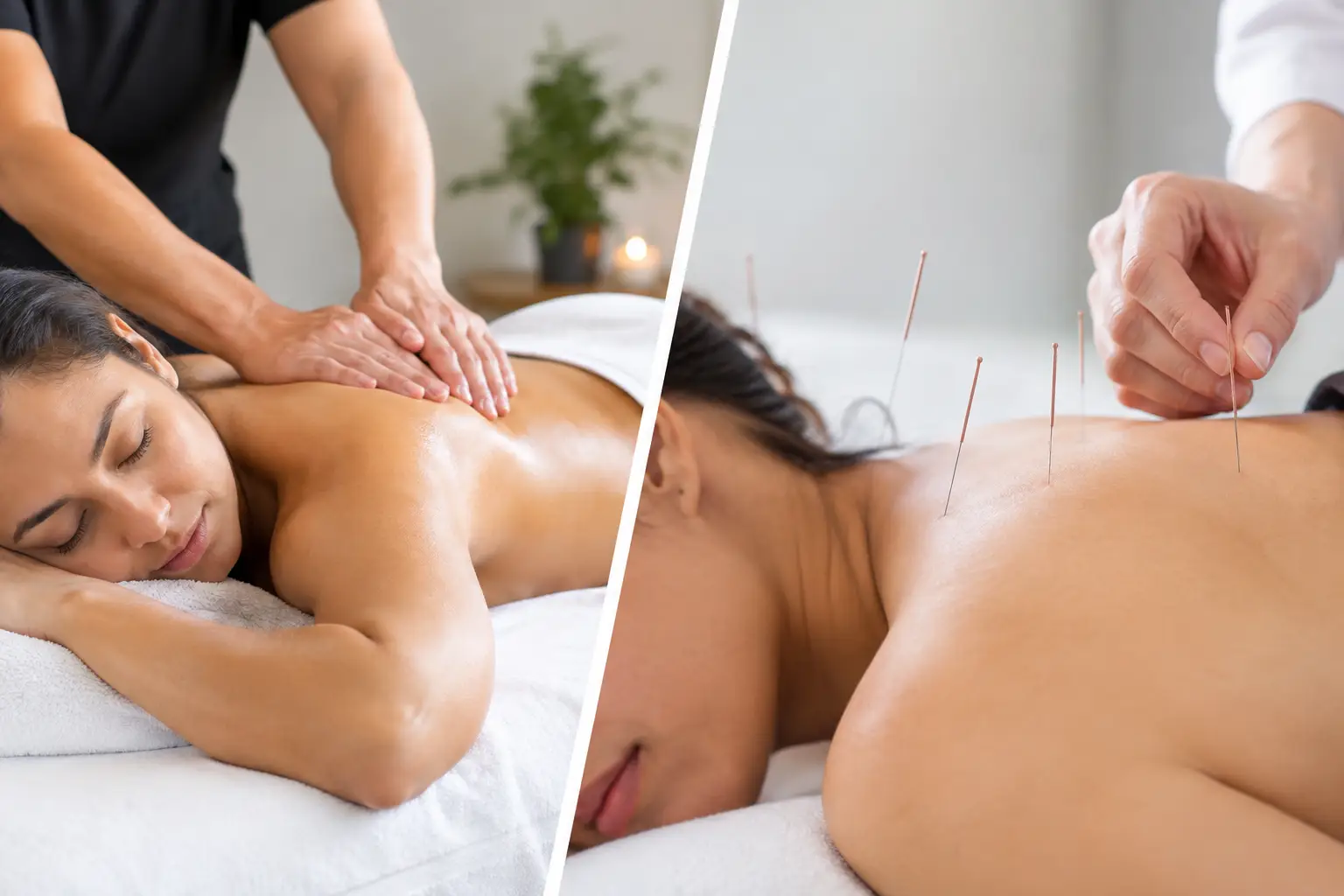
At a multidisciplinary clinic, this coordinated approach can be especially helpful. A patient may need physiotherapy for movement retraining, chiropractic care for joint and soft tissue support, or massage therapy to address surrounding tension. The treatment is not about chasing symptoms in isolation. It is about helping the body recover in a way that lasts.
Who is a good candidate for softwave therapy?
Adults dealing with persistent tendon pain, overuse injuries, recurring inflammation, or soft tissue pain that has not responded well to basic care are often the best candidates. Active adults, workers with repetitive strain, runners, gym-goers, and older adults managing chronic pain can all fall into that group.
It may also appeal to people who want a non-surgical option before considering more invasive steps. That does not mean it replaces all other forms of care. It means it can be a useful option for patients looking to reduce pain and improve function without relying only on medication or rest.
The best candidate is not just someone with pain. It is someone whose diagnosis fits the treatment and who is willing to follow a recovery plan. That plan may include home exercises, changes to activity, and regular follow-up to monitor progress.
When expectations should stay realistic
Results vary. Some people notice meaningful relief quickly. Others improve gradually over a series of visits. A long-standing tendon issue often behaves differently from a recent strain, and a person with several overlapping problems may need a more layered treatment strategy.
It also helps to remember that lower pain does not always mean full healing yet. If symptoms improve, it can be tempting to jump back into all activities at once. That is where setbacks happen. Good rehab means using symptom relief as an opportunity to rebuild capacity, not as a reason to ignore the original cause.
There are also cases where softwave therapy may not be the best next step. If the main issue is severe joint degeneration, a significant structural tear, or pain coming from a source that has not been clearly diagnosed, a broader medical or rehabilitation assessment is the safer move.
Why assessment comes first
The most effective treatment plans start with a careful evaluation, not with a device. Before starting softwave therapy, a clinician should look at how the pain started, what aggravates it, how long it has been present, and what the body is doing around that painful area.
That matters because pain in one spot can be influenced by weakness, compensation, restricted movement, or poor load tolerance somewhere else. Treating the irritated tissue may help, but identifying the reason it became irritated in the first place is what gives patients a better chance at longer-term improvement.
This is the kind of patient-centered care many people are looking for when they come to Active Rehab Center. They do not just want temporary relief. They want a plan that is tailored to their body, their goals, and the demands of daily life.
Is softwave therapy worth trying?
For the right patient, it can be a valuable part of care. The biggest advantage is that it offers a non-invasive way to target stubborn pain and support healing where progress has slowed. It can be especially useful when combined with rehab strategies that restore strength, mobility, and confidence in movement.
The trade-off is that it is not universal. Some conditions respond better than others, and outcomes depend on diagnosis, consistency, and the quality of the overall treatment plan. That is why the best next step is not guessing. It is getting assessed by a licensed provider who can tell you whether this treatment makes sense for your specific problem.
If pain has been limiting your work, sleep, exercise, or everyday routine, asking the right questions early can save time and frustration later. Sometimes the most helpful step is not pushing through. It is choosing care that gives your body a real chance to recover.