
That sharp catch when you reach for a seatbelt, coat, or top shelf is often how frozen shoulder starts to take over daily life. If you are searching for the best treatments for frozen shoulder, the right answer usually is not one quick fix. It is a combination of pain control, guided movement, and steady rehab based on how irritated and stiff the shoulder has become.
Frozen shoulder, also called adhesive capsulitis, happens when the connective tissue around the shoulder joint becomes inflamed and tight. Over time, that tightening limits motion and makes even basic tasks frustrating. The condition often develops in stages, and treatment works best when it matches the stage you are in rather than forcing the shoulder before it is ready.
What makes frozen shoulder so difficult to treat
Frozen shoulder is not the same as a simple strain. With a muscle strain, rest and time may be enough. With frozen shoulder, the capsule around the joint becomes restricted, so pain and stiffness feed into each other. The more it hurts, the less you move it. The less you move it, the stiffer it becomes.
This is why the best treatments for frozen shoulder usually focus on two goals at once: calming pain and gradually restoring range of motion. If treatment only chases pain but ignores movement, stiffness can linger. If treatment pushes motion too aggressively, pain can flare and slow progress.
The best treatments for frozen shoulder depend on the stage
Most people move through a freezing stage, a frozen stage, and a thawing stage. These stages do not follow a perfect calendar, but they help explain why your treatment plan may change over time.
Freezing stage
This is often the most painful phase. Shoulder pain may be worse at night, and movement starts to feel limited in several directions. During this stage, treatment usually emphasizes pain reduction, gentle mobility work, and avoiding activities that sharply aggravate symptoms.
Frozen stage
Pain may settle somewhat, but stiffness becomes more obvious. Reaching overhead, behind your back, or out to the side can feel blocked. Here, treatment often shifts toward more structured stretching, joint mobilization, and gradual strengthening.
Thawing stage
In this phase, movement slowly improves. Rehab remains important because returning to normal function takes time. This is where consistency matters more than intensity.
Physical therapy is often the foundation
For many people, physical therapy is one of the most effective treatments for frozen shoulder because it addresses the actual movement loss, not just the discomfort around it. A therapist can assess which motions are restricted, how much pain is driving the limitation, and whether there are other contributing issues such as poor posture, neck tension, or weakness around the shoulder blade.
Treatment may include gentle stretching, range-of-motion exercises, manual therapy, and a home exercise program. The key is dosage. Too little movement may not create change, but too much can irritate the joint. That balance is hard to judge on your own, especially when every shoulder feels slightly different.
Patients often expect progress to happen quickly. Frozen shoulder rarely works that way. Improvement is usually gradual, measured in small gains such as being able to wash your hair more comfortably or reach a little farther into a cabinet. Those small wins add up.
Pain relief can make rehab possible
When pain is high, even the best exercise plan can be difficult to follow. That is why pain management is part of good care, especially early on. Depending on your medical history and your provider’s recommendations, this may include over-the-counter anti-inflammatory medication, heat, ice, or temporary activity changes.
Pain relief is helpful, but it is not the whole plan. A shoulder that feels better for a few hours still needs guided work to regain mobility. Think of pain control as creating a window where rehab can be more productive.
Hands-on treatment can help reduce guarding
Manual therapy can be useful when the shoulder is protecting itself and surrounding muscles are tight. Gentle joint mobilization, soft tissue treatment, and guided movement can reduce guarding and improve comfort with motion. This does not mean the shoulder should be forced. In frozen shoulder, aggressive stretching often backfires.
A hands-on, one-on-one approach can be especially helpful for people who are unsure how hard to push or who have been avoiding movement because they are afraid of making things worse. Reassurance matters here. The goal is to restore motion safely, not to win a pain contest.
Home exercises matter more than occasional effort
Clinic treatment is important, but most improvement happens between visits. A home program usually includes gentle pendulum movements, assisted range-of-motion drills, stretching, and later, strengthening work for the rotator cuff and shoulder blade muscles.
What works best is regular practice, not random bursts of effort. Doing too much on one day because the shoulder feels slightly better can leave you sore for the next two days. A steady plan tends to produce better results than pushing hard and stopping when pain spikes.
This is one reason personalized rehab matters. A working parent, an office professional, and an older adult with arthritis may all need different pacing, even if the diagnosis is the same.
Injections may help in the right case
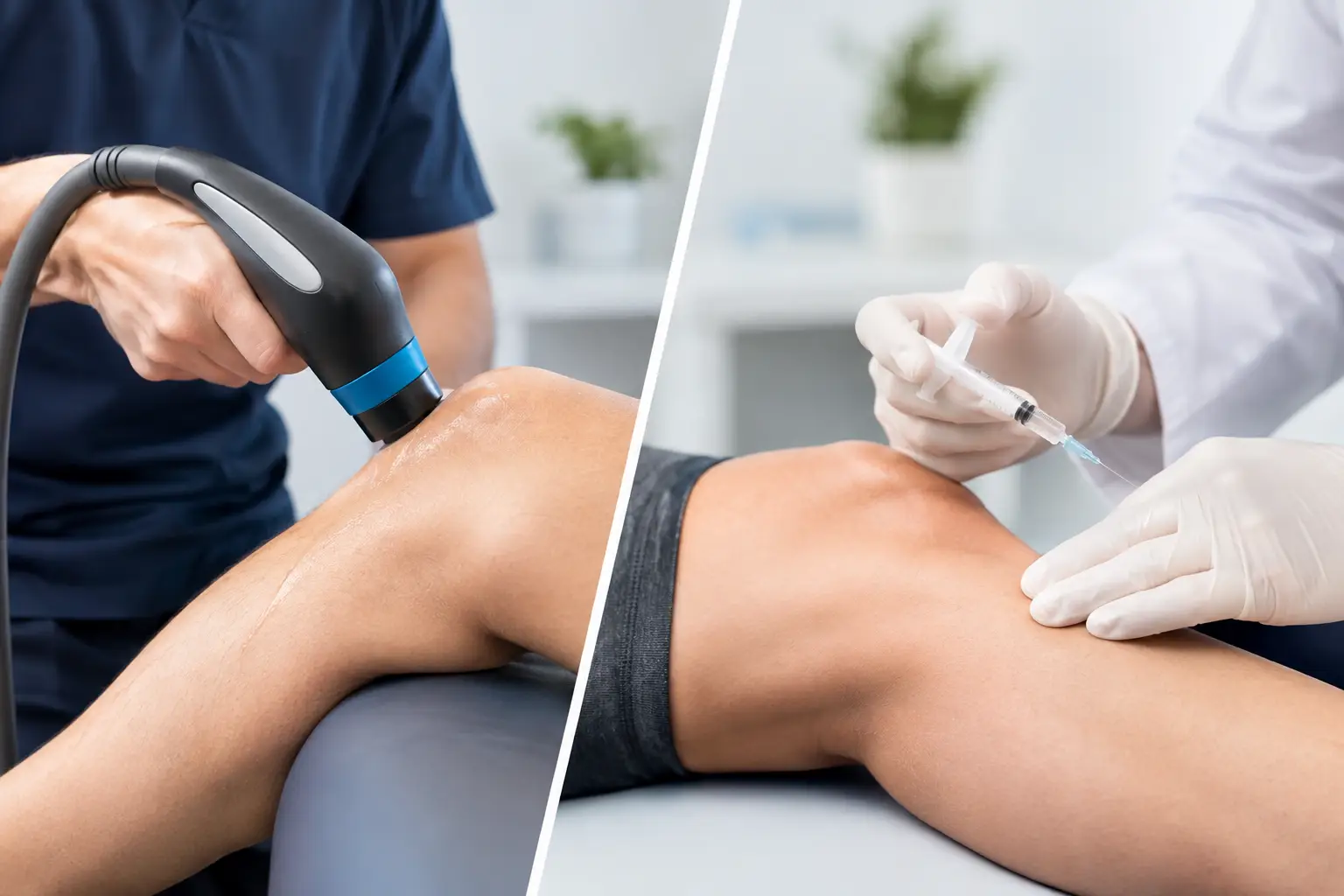
For some patients, corticosteroid injections can reduce pain and inflammation enough to support progress in therapy. They are often considered when pain is limiting sleep, daily function, or participation in rehab. In the right situation, an injection can make movement more tolerable and help break part of the pain-stiffness cycle.
Still, injections are not a cure on their own. If the shoulder is not moved and rehabilitated afterward, stiffness may remain. This is an area where expectations matter. The shot may reduce symptoms, but the long-term result often depends on what happens next.
When combined care makes the most sense
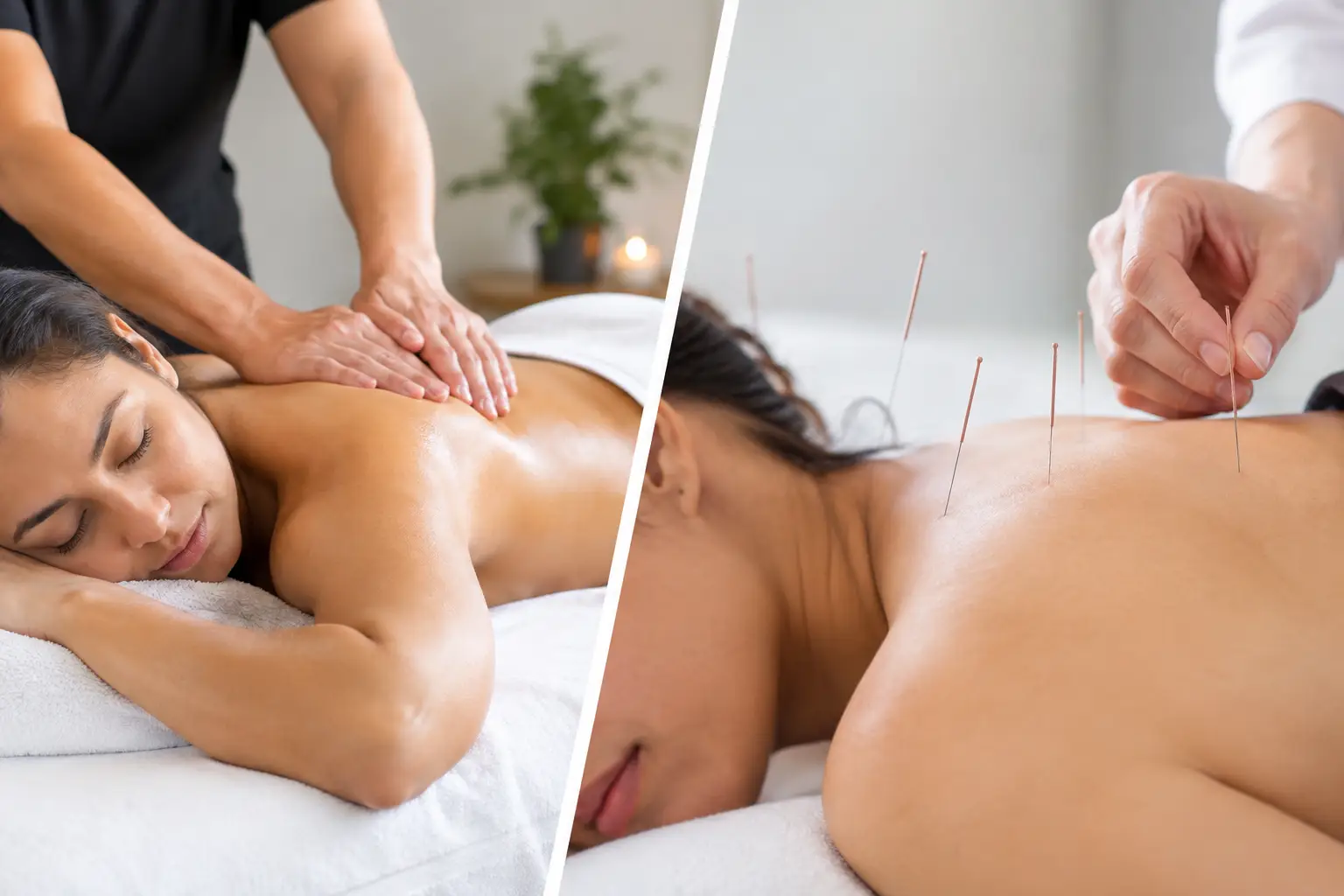
Frozen shoulder can affect more than the joint itself. People often develop neck tension, upper back stiffness, poor sleep, and stress around movement. In those cases, a multidisciplinary plan can be useful. Physical therapy may lead the rehab process, while massage therapy, acupuncture, or other supportive care may help reduce muscle tension and improve comfort.
This kind of coordinated care can be especially valuable for people balancing work, commuting, caregiving, and other demands. If treatment feels practical and manageable, patients are more likely to stay consistent. At Active Rehab Center, that integrated approach is often what helps patients keep moving forward instead of bouncing between disconnected options.
What to avoid when your shoulder is freezing up
One common mistake is waiting too long because you hope the pain will simply pass. Another is searching for the single best stretch and doing it aggressively. Frozen shoulder usually responds better to a structured plan than to forceful self-treatment.
It is also easy to confuse frozen shoulder with other conditions such as rotator cuff injury, bursitis, arthritis, or pain referred from the neck. If your symptoms came on after trauma, if weakness is severe, or if numbness and tingling are present, a proper assessment matters. The right diagnosis shapes the right treatment.
How long does recovery take?
This is one of the hardest parts of frozen shoulder. Recovery can take months, and in some cases longer than people expect. That does not mean you are not improving. It means the condition tends to move slowly.
The good news is that many people do regain substantial movement and function with conservative care. Early support, a tailored rehab plan, and realistic pacing can make the process less frustrating. If you have diabetes, thyroid disease, or a history of shoulder immobility after surgery or injury, recovery may be more stubborn, and treatment may need closer monitoring.
When to seek help
If shoulder pain is interfering with sleep, dressing, driving, work tasks, or exercise, it is worth getting assessed. The sooner frozen shoulder is identified, the easier it is to build a plan that protects function while symptoms are still evolving.
You do not need to wait until your shoulder is nearly locked up. A targeted treatment plan can help reduce pain, improve mobility, and give you a clearer path forward. Frozen shoulder tests patience, but the right care can help you start using your arm with more confidence again, one meaningful gain at a time.