That sharp pain under your heel when you take your first few steps in the morning is hard to ignore. If you are searching for how to reduce plantar fasciitis pain, the goal is not just short-term relief. It is calming the irritated tissue, reducing strain through the foot, and helping you walk, work, and exercise with less pain day after day.
Plantar fasciitis happens when the thick band of tissue along the bottom of the foot becomes irritated from repeated stress. For some people, it starts after a jump in walking, running, or standing time. For others, it builds slowly because of tight calves, limited ankle mobility, poor footwear, or a change in how the body loads the foot. The pain is usually worse with the first steps after rest, then may ease a little as you move, only to return later in the day.
How to reduce plantar fasciitis pain at home
The most effective home care usually combines relative rest, gentle mobility work, and better support for the foot. Rest does not mean doing nothing. It means cutting back on the activities that keep flaring the tissue up while staying active in ways your foot can tolerate.
If walking long distances, running, or standing for hours is driving your pain, reduce those demands for a short period. That might mean shorter walks, fewer high-impact workouts, or more seated breaks during the day. The idea is to lower irritation enough that healing can begin.
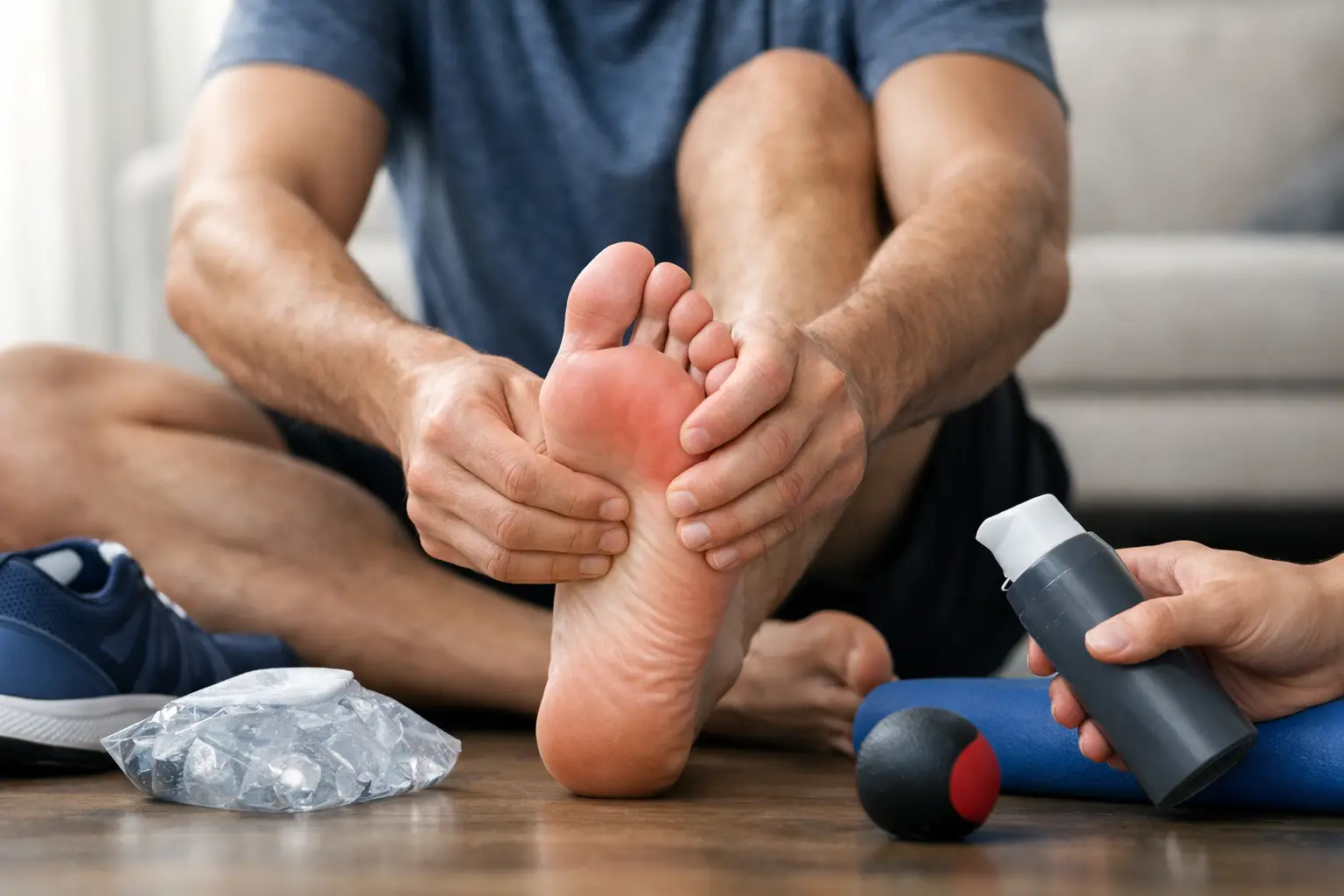
Ice can help after a painful day, especially if the heel feels hot, sore, or swollen. A simple option is rolling the foot over a cold water bottle for a few minutes. This will not fix the cause on its own, but it can reduce discomfort and make movement easier.
Supportive shoes matter more than many people realize. Thin, flat shoes and worn-out sneakers often make plantar fasciitis worse because they do not absorb force well or support the arch effectively. A shoe with cushioning, a stable heel, and decent arch support can reduce stress on the plantar fascia. Walking barefoot on hard floors may also aggravate symptoms, especially first thing in the morning.
Over-the-counter arch supports or heel cups can be useful for some people. They are not a perfect solution for everyone, but they can reduce strain enough to make daily walking more comfortable. If one type feels awkward or increases pressure elsewhere, it may not be the right fit.
Stretching and mobility for plantar fasciitis pain
Tightness higher up the chain often contributes to heel pain. If the calf muscles and Achilles tendon are stiff, the foot may have to work harder during each step. That is why calf stretching and ankle mobility are often part of a good plantar fasciitis plan.
A simple calf stretch against the wall can help. Keep the back knee straight to target the gastrocnemius, then repeat with a slight bend in the back knee to reach the deeper soleus muscle. Hold each stretch gently. You should feel tension, not sharp pain.
Stretching the plantar fascia itself may also help. One common approach is to sit down, cross the sore foot over the opposite knee, and gently pull the toes back until you feel a stretch along the arch. This can be especially helpful before the first steps in the morning.
Mobility work should feel controlled and steady. If stretching leaves the heel more irritated for hours afterward, that is a sign to back off. More is not always better with an already sensitive tissue.
Strength matters more than many people think
A foot in pain often needs more than rest. It may also need better capacity. When the muscles of the foot, ankle, and lower leg are not doing their share, the plantar fascia can end up overloaded.
Strengthening can include exercises such as calf raises, controlled balance work, and simple foot muscle activation. In many cases, slow calf raises are especially valuable because they help improve the way the foot and ankle handle load. Some people benefit from starting on two legs before progressing to one leg.
There is a trade-off here. If you begin strengthening too aggressively, symptoms can flare. If you avoid loading the foot completely, the tissue may stay sensitive for longer. The right approach is gradual progression based on how the foot responds over the next 24 hours.
When everyday habits are keeping the pain going
Sometimes the problem is not one big cause but a collection of small ones repeated every day. Long hours on hard floors, unsupportive work shoes, sudden increases in activity, and delayed recovery can all add up.
If you stand a lot for work, rotating into more supportive footwear and using short movement breaks can help. If you recently started a new exercise program, look at whether volume or intensity increased too quickly. If your calves are consistently tight, that may point to a mobility issue that needs regular attention rather than occasional stretching.
Body mechanics also matter. Weakness or poor control at the ankle, knee, hip, or even the trunk can change how force travels through the foot. That is one reason plantar fasciitis sometimes lingers despite stretching and better shoes. The painful area is in the heel, but the driver may involve the whole lower body.
Treatment options when home care is not enough
If your pain is not improving after a few weeks, or if it is interfering with work, sleep, or normal walking, a professional assessment is a smart next step. Persistent heel pain deserves a clear diagnosis. Not every case of heel pain is plantar fasciitis. Nerve irritation, fat pad pain, tendon issues, stress injury, or joint problems can feel similar.
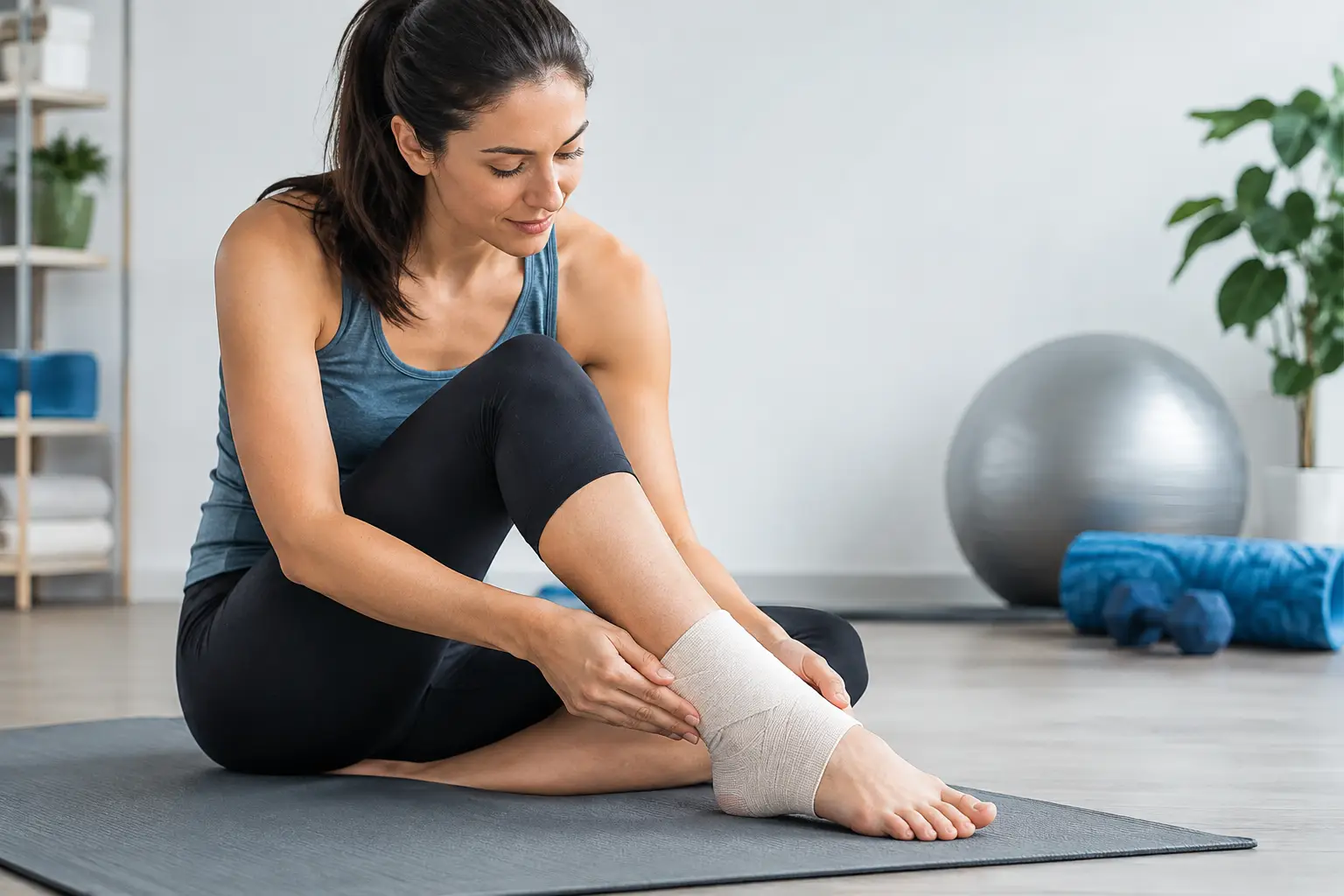
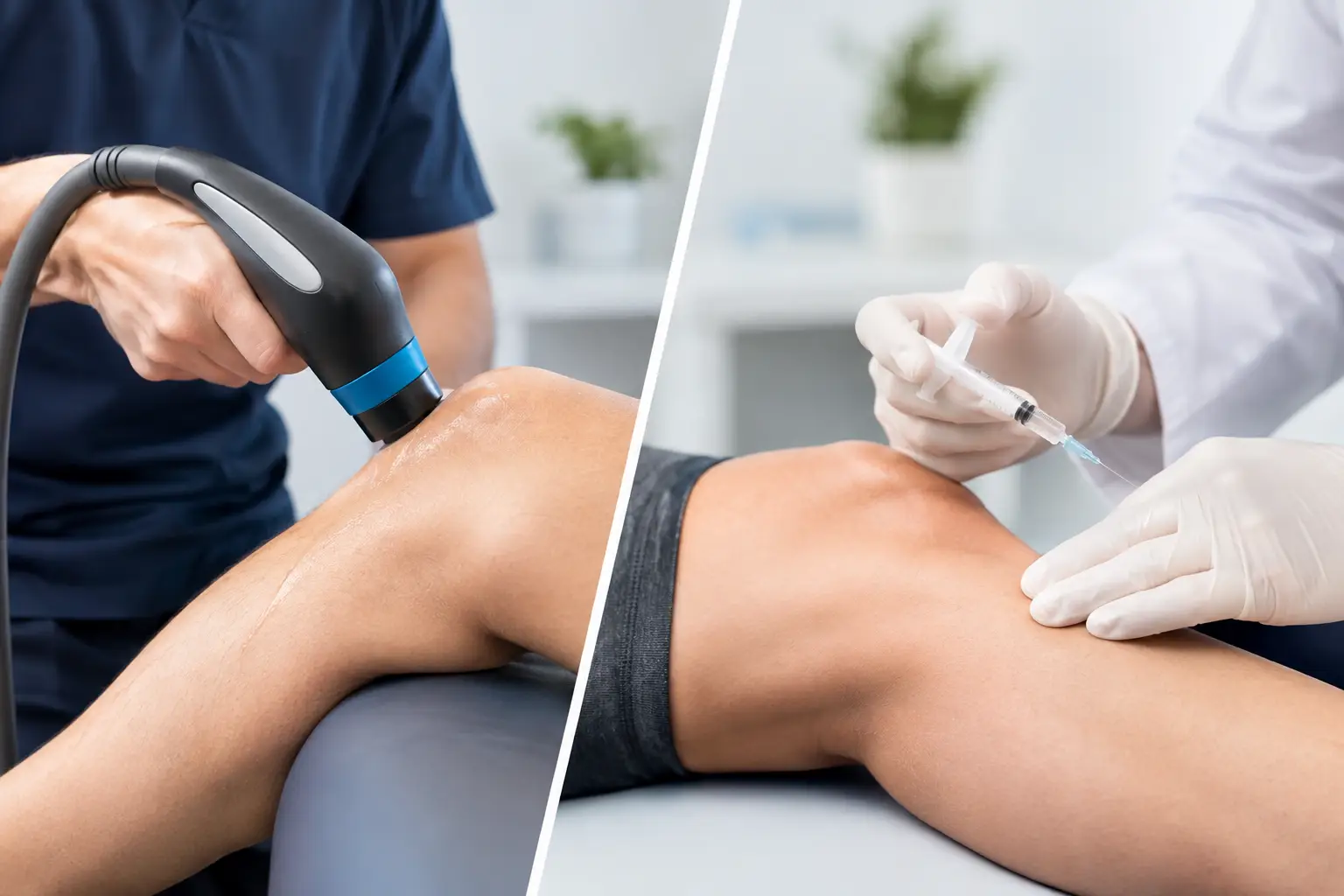
Physiotherapy is often one of the most effective conservative treatment options because it focuses on why the tissue is overloaded in the first place. A good plan may include hands-on treatment, mobility work, strengthening, taping, gait advice, and a progressive return to activity. The goal is not just to make the heel hurt less today, but to improve how your foot handles load over time.
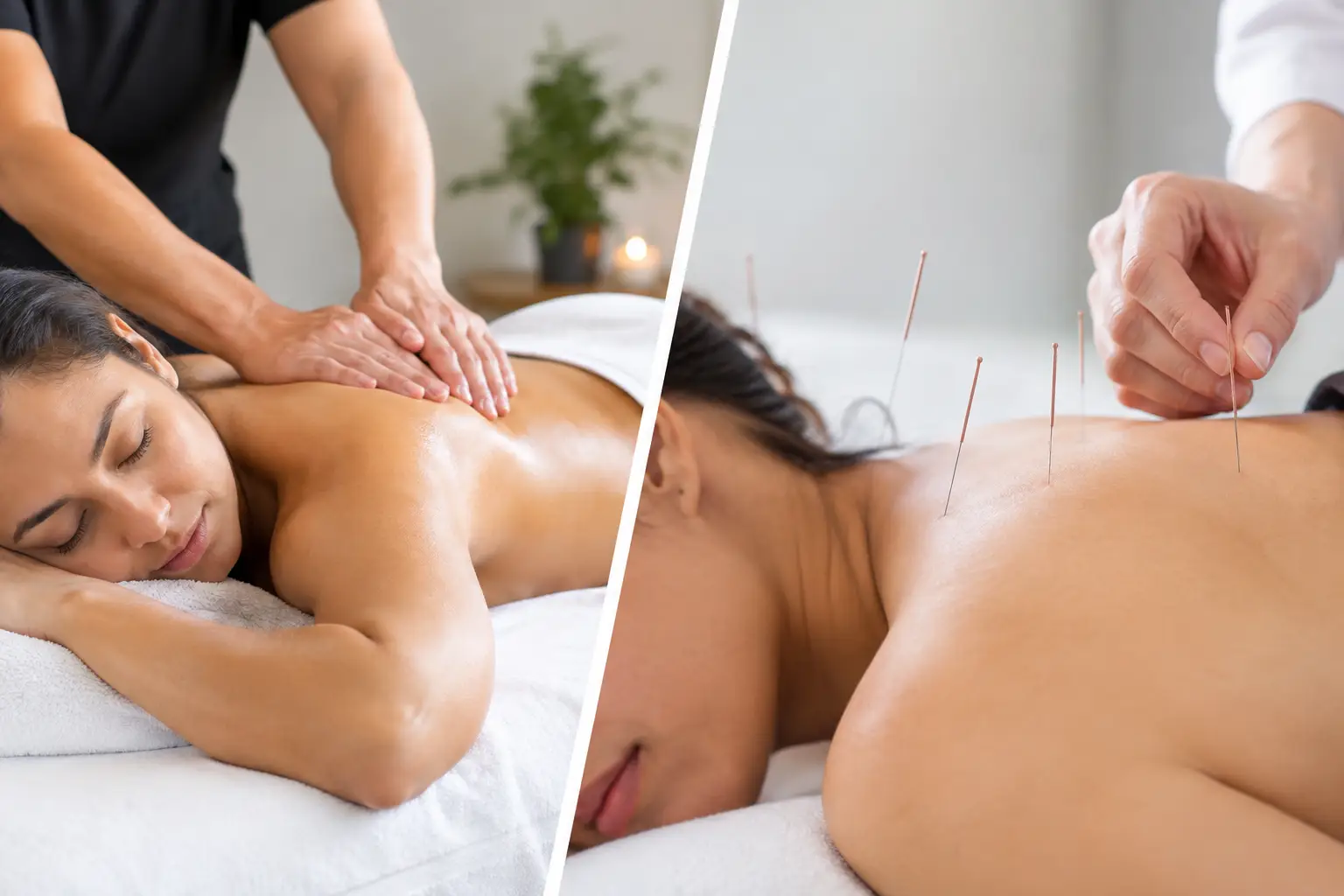
Chiropractic care, massage therapy, and acupuncture may also play a role depending on the person. If calf tightness, joint restriction, or compensatory muscle tension is part of the picture, a multidisciplinary approach can help reduce pain and improve movement. The best treatment plan depends on your symptoms, activity level, work demands, and how long the issue has been present.
In some cases, supportive taping or night splints may be recommended. These can reduce stress on the plantar fascia, especially during times when symptoms are most intense. They are often more helpful as part of a broader recovery plan than as a stand-alone fix.
How long does plantar fasciitis take to improve?
This is one of the most common questions, and the honest answer is that it depends. Mild cases may settle within weeks when the aggravating factors are addressed early. More stubborn cases can last for months, especially if the pain has been ignored, activity levels stay high, or the tissue is repeatedly irritated.
The good news is that most people improve with the right mix of load management, mobility, strengthening, and support. Recovery is rarely perfectly linear. You may have good days and then a flare after a long shift, a busy weekend, or a return to exercise that was a little too ambitious. That does not always mean you are back to square one. It often means the foot is telling you the load exceeded its current capacity.
Signs you should get assessed sooner
If the pain is severe, worsening, or not behaving like a typical overuse injury, do not wait it out. Pain with numbness, burning, major swelling, bruising, or inability to bear weight should be assessed. The same goes for pain that does not improve at all with rest or pain that spreads beyond the heel into the ankle or lower leg.
For people with diabetes, inflammatory conditions, or a recent change in overall health, a more careful evaluation is also important. Heel pain may still be plantar fasciitis, but it is worth ruling out other contributors.
A smarter way to get lasting relief
The best answer to how to reduce plantar fasciitis pain is usually a combination of short-term relief and long-term correction. Calm the irritation, improve support, restore flexibility where needed, and gradually build strength so your foot can tolerate daily life again.
If your heel pain keeps returning, it may be time for a more personalized plan. At Active Rehab Center, care is built around what is actually driving your symptoms so you can move with more confidence and less pain. Small changes, done consistently, often make the biggest difference over time.