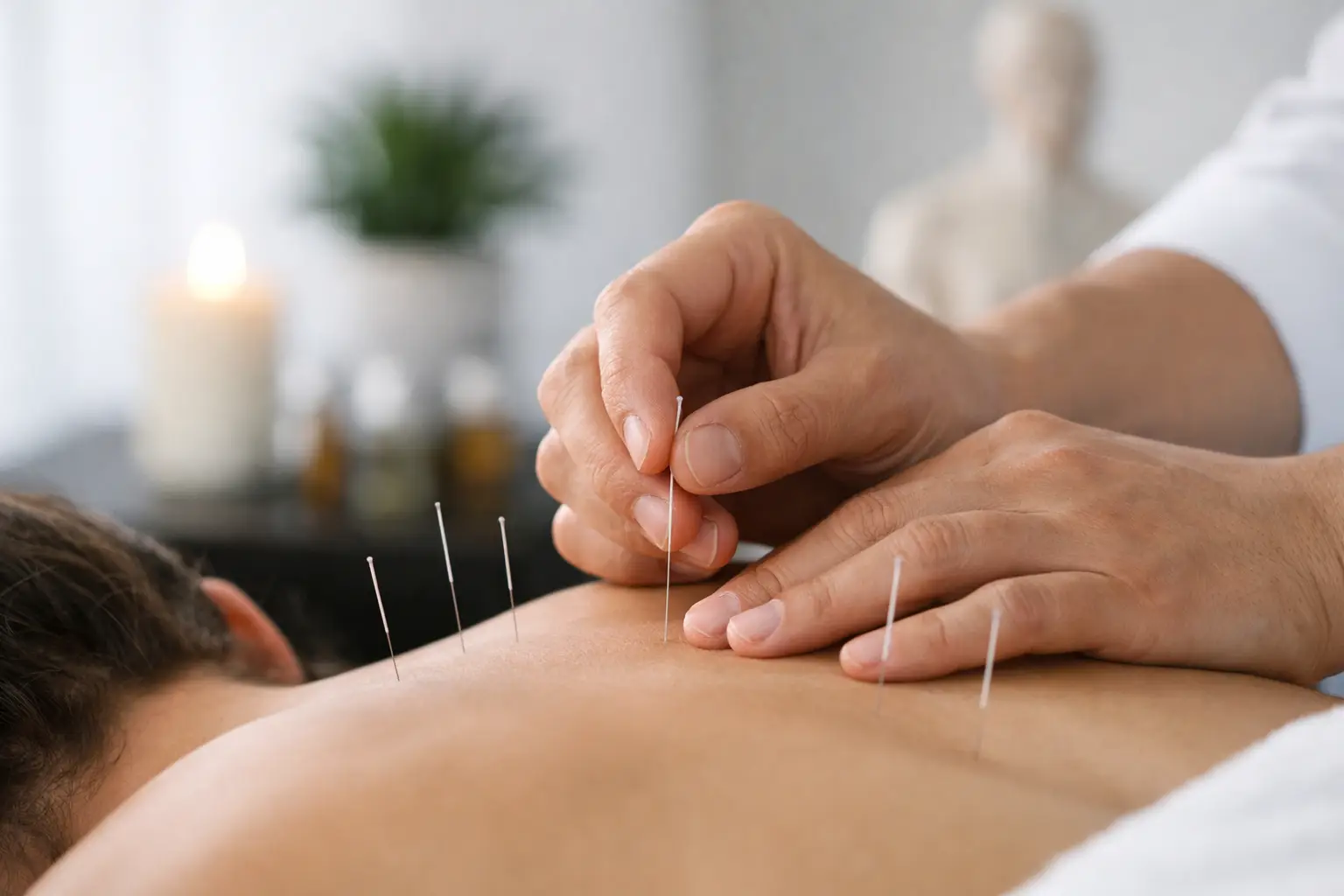
A knot in your upper shoulder that keeps returning after massage, low back tightness that flares when you stand from your desk, or a calf that will not loosen after a run can make everyday movement feel harder than it should. Trigger point acupuncture benefits may include reduced muscle sensitivity, improved range of motion, and a more comfortable path back to work, exercise, and daily activities when treatment is matched to the real source of your pain.
Trigger points are sensitive, tight areas within a muscle or its surrounding tissue. They can hurt directly when pressed, but they may also refer pain elsewhere. A trigger point in the neck, for example, can contribute to headache symptoms or pain around the shoulder blade. Acupuncture can be used as part of a personalized treatment plan to address these patterns while considering joint mobility, posture, training load, stress, sleep, and previous injuries.
What Is Trigger Point Acupuncture?
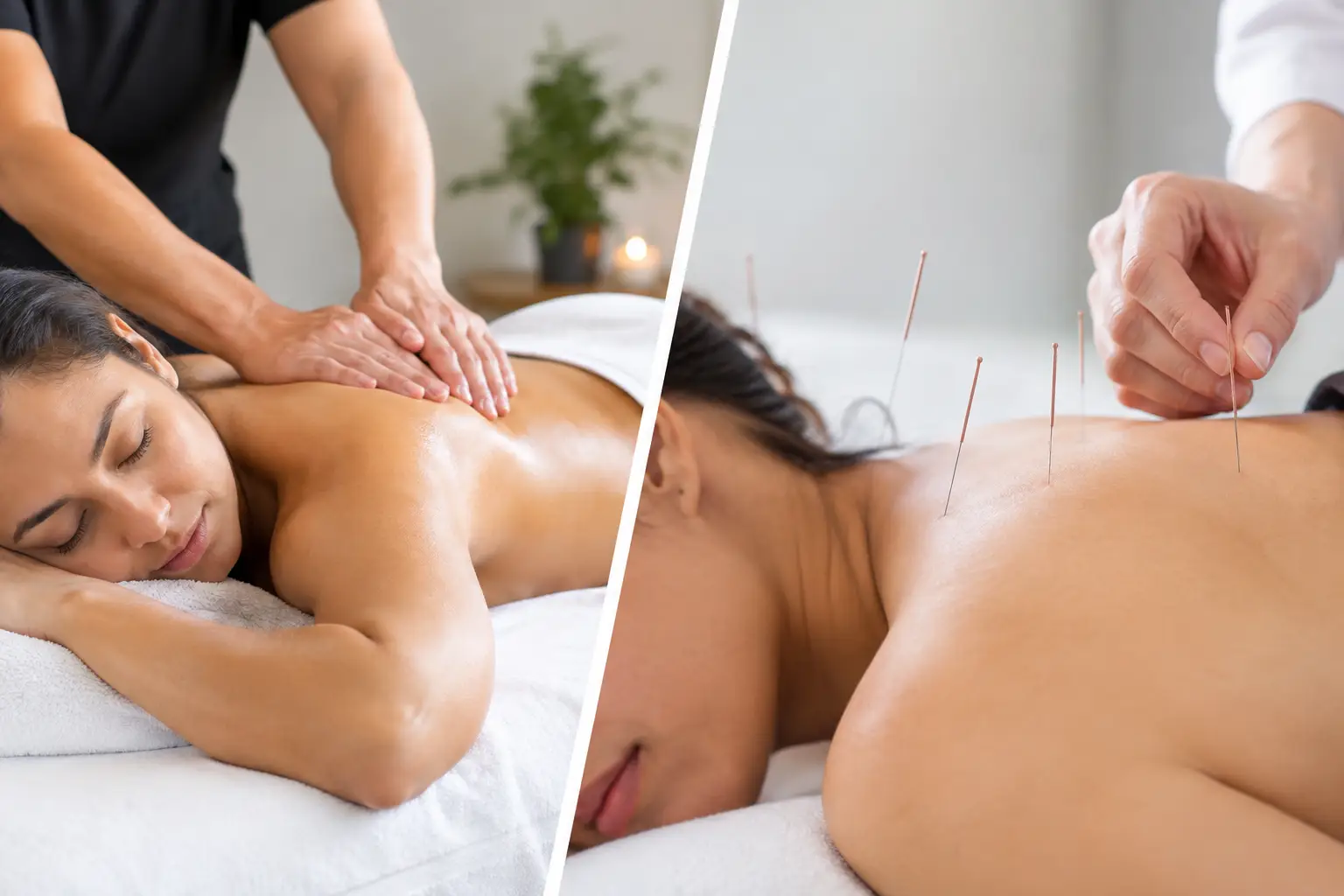
Trigger point acupuncture uses very fine, sterile needles to stimulate tender, overactive areas in muscle tissue. The goal is not simply to chase the most painful spot. A licensed practitioner assesses how your symptoms behave, identifies relevant muscle and movement patterns, and selects treatment points that may help calm pain and restore more normal muscle function.
You may hear this approach discussed alongside dry needling. The terms can overlap because both involve needling muscular trigger points, but training standards, clinical frameworks, and professional scope vary by provider and location. Acupuncture is based on a regulated professional practice and may combine local trigger point treatment with other acupuncture points chosen for your individual presentation. Ask your provider what technique they use, why they recommend it, and what you can expect from your care plan.
Trigger Point Acupuncture Benefits for Common Pain Patterns
For the right person, trigger point acupuncture can be a practical option when tight, sensitive muscles are limiting comfort or movement. Its value often comes from how it fits into a broader rehabilitation plan rather than from a single treatment alone.
May reduce localized muscle pain and tenderness
A trigger point can keep a muscle feeling sore, guarded, or painful when you press on it. Needle stimulation may create a brief twitch response in some muscles and can help reduce the sensitivity of that area afterward. Many patients describe a temporary heavy, achy, or relaxed feeling during treatment, followed by easier movement over the next day or two.
Results vary. Pain that is primarily driven by a fresh muscle strain may respond differently than pain linked to arthritis, nerve irritation, a disc condition, or long-standing stress and poor sleep. That is why a proper assessment matters before assuming every painful knot needs to be treated directly.
May improve range of motion and movement confidence
When a painful muscle stays switched on, your body often limits movement to protect the area. This can show up as difficulty turning your head while driving, reaching overhead, squatting, or taking a full stride. By reducing muscle sensitivity, trigger point acupuncture may make it easier to practice the movements and exercises that support recovery.
The treatment itself does not replace strengthening, mobility work, or changes to an aggravating activity. Instead, it may lower the barrier that pain creates so you can move more comfortably and progress with rehabilitation.
Can support recovery from repetitive strain and overuse
Working at a computer, lifting at work, caring for children, training for a race, or playing a sport can all create repeated demand on the same tissues. Trigger points commonly develop when recovery does not keep up with workload. Acupuncture may be helpful for muscle-related neck and shoulder tension, low back discomfort, hip and gluteal tightness, calf pain, forearm tension, and some jaw muscle symptoms.
The key is addressing the reason the tissue became overloaded. If an athlete returns to the same training volume too quickly, or a workstation keeps the neck and shoulders under constant strain, symptoms can return. Your provider may recommend pacing, ergonomic changes, targeted exercises, manual therapy, or care from another rehabilitation professional alongside acupuncture.
May help referred pain patterns make more sense
Pain location is not always the same as pain source. A trigger point in the gluteal muscles can contribute to pain that travels into the hip or upper leg. Muscles around the neck and jaw can refer discomfort toward the head or face. Identifying these patterns can help patients understand why stretching the painful area alone has not brought lasting relief.
Referred pain does not automatically mean the problem is muscular. Numbness, tingling, weakness, severe radiating pain, loss of balance, or changes in bowel or bladder function require prompt medical assessment. A qualified provider should screen for these concerns and refer you when acupuncture is not the appropriate first step.
Can complement hands-on care and exercise therapy
A meaningful benefit of trigger point acupuncture is its ability to work alongside other evidence-informed care. A physiotherapist may use it to help you tolerate progressive strengthening after an injury. Massage therapy may support relaxation and soft-tissue comfort. Chiropractic care can address joint mobility when appropriate. Nutrition, sleep, and stress support may also matter when tension and persistent pain are affecting your recovery.
At Active Rehab Centre, coordinated care allows practitioners to look beyond a single sore muscle and build a plan around your goals, whether that is getting through a shift without back pain, returning to the gym, or walking comfortably again.
What Does a Session Feel Like?
Your first appointment should start with a conversation about your symptoms, health history, medications, activity level, and goals. The practitioner may assess posture, movement, strength, and areas of tenderness before discussing whether trigger point acupuncture is suitable.
During needling, you may feel a quick pinch, a dull ache, a twitch, warmth, or a sensation that travels briefly through the muscle. These responses are usually short-lived. Some people notice immediate improvement in movement; others need several sessions before they can judge whether the approach is helping.
It is common to have mild soreness, similar to post-exercise soreness, for 24 to 48 hours. Gentle movement, hydration, and following your provider’s activity advice can help. Contact your practitioner if you experience symptoms that concern you or pain that is significantly worse than expected.
When Is It Most Likely to Help?
Trigger point acupuncture tends to be most useful when your assessment points to a muscular component of pain and you are ready to pair treatment with active recovery. It may be considered for persistent muscle tension, movement restriction after an injury, repetitive strain, or pain that has not improved enough with rest alone.
It may not be the best fit if you have a bleeding disorder, use certain blood-thinning medications, have an active infection in the treatment area, or are uncomfortable with needles. Pregnancy, a pacemaker or implanted electrical device, and complex medical conditions may require specific modifications or medical guidance. Be open about your health history so treatment can be planned safely.
Getting More From Treatment
The most useful question is not, “Will one session fix this?” It is, “What is keeping this area irritated, and what can we change?” Your provider should set clear goals, monitor your response, and adjust the plan if progress stalls. You may benefit from a short series of sessions, or you may find that exercise and load management become the main focus after initial pain relief.
If a muscle knot keeps interrupting your work, sleep, sport, or ability to move freely, you do not have to simply push through it. A personalized assessment can clarify whether trigger point acupuncture belongs in your recovery plan and give you practical next steps toward feeling more capable in your body.