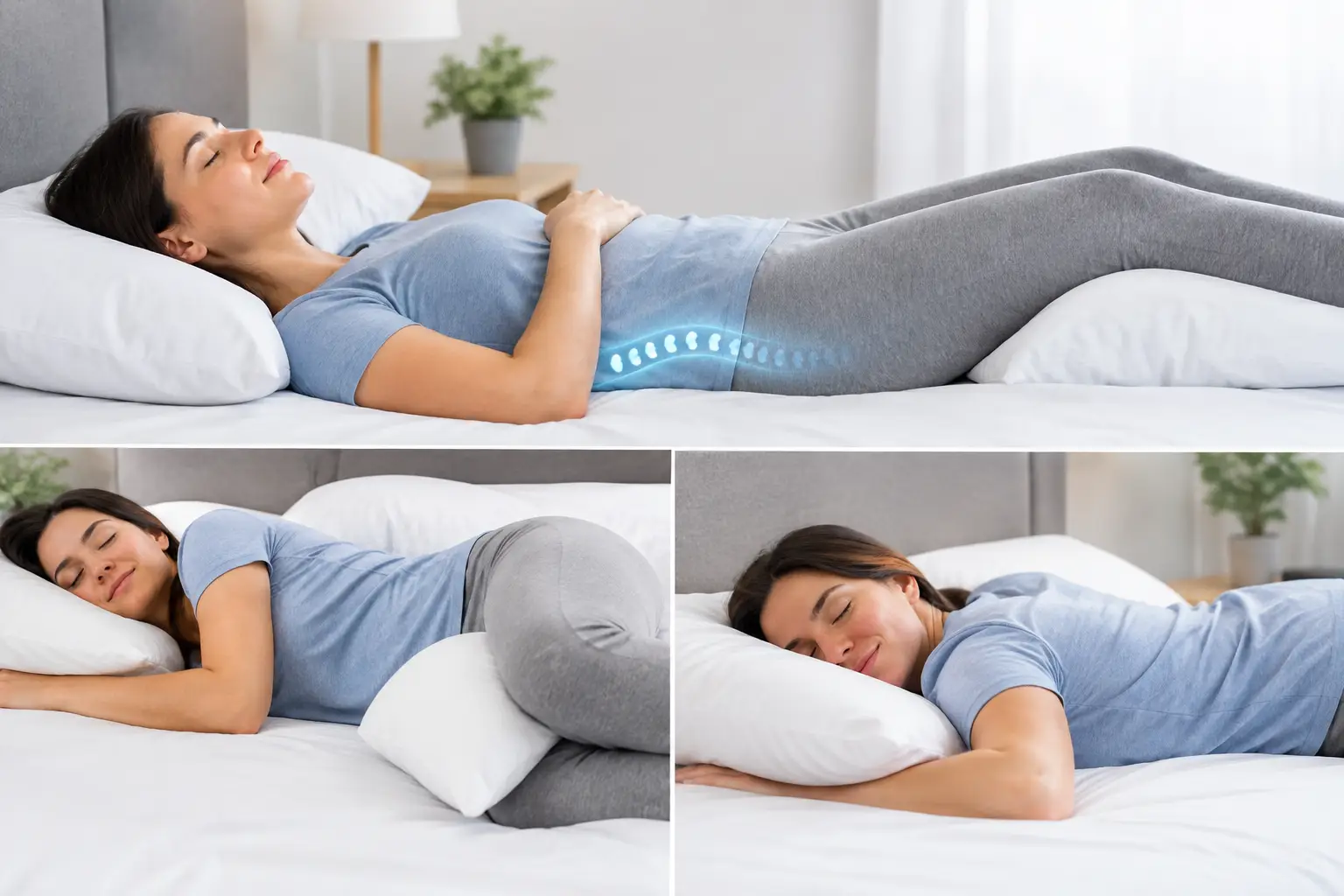

A sore spot in your shoulder that seems to send pain up your neck, a calf that stays tight after a walk, or a low back that aches after sitting at work may involve trigger points. These sensitive areas in muscle can make everyday movement uncomfortable, but they are also a useful clue: your body may be dealing with overload, poor recovery, an injury, or a movement pattern that needs attention.
The goal is not simply to press on the painful spot until it releases. Lasting relief usually comes from understanding why the muscle became irritated, easing symptoms safely, and helping the body move with more confidence again.
What Are Trigger Points?
Trigger points are highly sensitive spots within a tight or irritable band of muscle tissue. People often describe them as muscle knots, although they are not literal knots that can be untied. When pressure is applied, the area may feel tender, produce a familiar ache, or cause pain somewhere else.
For example, a tender area in the upper shoulder muscles may contribute to discomfort around the neck or head. A sensitive spot in the gluteal muscles may feel like low back pain or pain traveling down the leg. This is called referred pain, and it is one reason self-diagnosing the source of discomfort can be difficult.
The term is commonly used in rehabilitation and manual therapy, but pain is not always explained by one spot in one muscle. Muscles, joints, nerves, stress, sleep, training load, and past injuries can all influence how pain is felt. A licensed practitioner looks at the full picture rather than treating a painful area in isolation.
Why Trigger Points Develop
Muscles are designed to contract and relax. When they are repeatedly overloaded, held in one position for too long, or asked to compensate for another problem, they can become guarded and sensitive.
A desk worker may develop tightness through the neck, chest, and upper back after hours of looking down at a screen. An athlete may notice a tender calf or hip after a sudden increase in running, jumping, or training intensity. Someone recovering from an ankle sprain may develop pain higher up the leg because their walking pattern has changed.
Common contributors include repetitive work, prolonged sitting or driving, poor lifting mechanics, an abrupt change in activity, muscle strain, reduced mobility after injury, and insufficient recovery between workouts. Emotional stress can also increase muscle tension, particularly around the jaw, shoulders, and upper back. Poor sleep and dehydration do not directly cause every painful muscle spot, but they can make the nervous system more sensitive and recovery more difficult.
Sometimes the source is obvious. Other times, symptoms build gradually until a normal activity such as turning your head, climbing stairs, or reaching overhead becomes uncomfortable.
Signs a Painful Muscle Spot May Need Attention
Trigger point-related discomfort can feel different from person to person. You may notice a small tender area that hurts when you press it, stiffness that improves temporarily with movement, or an ache that returns after the same daily activity. Some people experience reduced range of motion, such as difficulty rotating the neck, fully straightening the knee, or lifting an arm comfortably.
Pain may also seem to travel. Tight muscles around the shoulder blade can be felt in the neck or arm, while irritation around the hip can be felt in the thigh. Referred pain does not automatically mean a trigger point is the cause, however. Nerve irritation, joint conditions, tendon injuries, and other concerns can produce similar symptoms.
That is why an assessment matters when pain is persistent, recurrent, or limiting your life. The right plan depends on whether the main issue is muscle overload, an acute injury, posture and work demands, a joint restriction, nerve sensitivity, or a combination of factors.
When not to assume it is a muscle knot
Seek prompt medical attention for chest pain, shortness of breath, sudden weakness, numbness that is worsening, loss of bladder or bowel control, fever with severe pain, significant swelling, or pain after a serious fall or accident. New calf pain with one-sided swelling, warmth, or redness also deserves urgent assessment.
For less urgent but ongoing symptoms, book an evaluation if your pain is not improving, repeatedly interrupts sleep, limits work or exercise, or keeps returning despite rest and basic self-care.
How Trigger Point Treatment Fits Into Rehabilitation
Hands-on treatment can be helpful for reducing muscle sensitivity and restoring movement, especially when it is part of a broader rehabilitation plan. Depending on your needs, a provider may use manual therapy, soft tissue techniques, massage therapy, acupuncture, or other evidence-informed approaches to calm an irritable area.
Pressure applied to a sensitive spot can be uncomfortable, but treatment should be tolerable and tailored to you. More pressure is not always better. If a technique causes sharp pain, lingering flare-ups, bruising, or makes you tense up, it may be too aggressive for your current condition.
At Active Rehab Centre, care can be coordinated across physiotherapy, chiropractic care, massage therapy, acupuncture, and other services when appropriate. This can be especially useful when muscle tension is connected to injury recovery, work demands, stress, or more than one painful area.
The treatment room is only part of the process. Short-term relief from hands-on care is valuable, but it tends to last longer when the underlying load is addressed. That may mean improving shoulder strength after neck tension, restoring ankle mobility after a sprain, building hip control for recurring low back pain, or changing a workstation setup that keeps provoking symptoms.
What You Can Do at Home
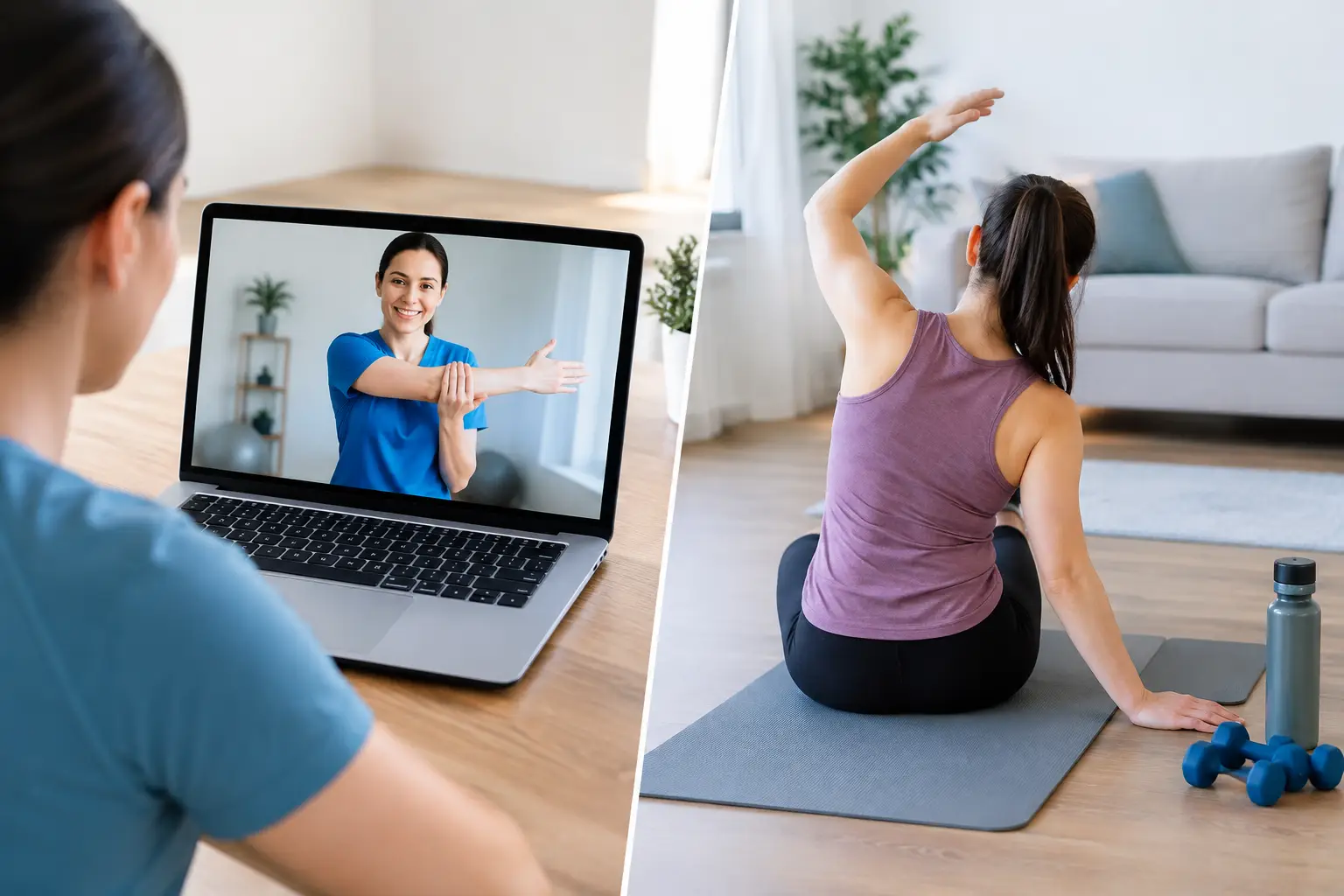
Gentle movement is usually more helpful than complete rest for ordinary muscle tightness. A short walk, easy range-of-motion exercises, or light mobility work can improve circulation and reduce the feeling of being stuck. The best choice depends on the area involved and what your body tolerates.
Heat may help a chronically tight muscle feel more relaxed, while a cold pack can be useful after a recent flare-up or strain. Use either for brief periods with a protective layer between the pack and your skin. The goal is symptom relief, not forcing the problem away.
Self-massage with a ball or roller can also provide temporary relief. Start gently, avoid pressing directly on joints or the front and side of the neck, and keep the pressure at a level that allows you to breathe normally. Spending a few minutes on one area is usually enough. Chasing every sore spot for a long session can irritate already sensitive tissue.
If you sit for long periods, frequent small movement breaks are often more effective than one perfect stretch at the end of the day. Stand up, change position, roll your shoulders, take a brief walk, or perform a few comfortable movements every 30 to 60 minutes. For active adults, progress training gradually rather than making large jumps in weight, distance, or intensity.
The Difference Between Relief and Recovery
A massage, foam roller, or manual therapy session may make a painful muscle feel better quickly. That does not mean the muscle has been permanently fixed, and it does not need to be. Muscles respond to changing demands over time.
Recovery often requires a balance of symptom management and gradual reconditioning. If your upper back feels tight because it fatigues during computer work, strengthening the muscles that support your posture may matter as much as stretching. If your calves repeatedly tighten during runs, your plan may need to consider footwear, training volume, ankle mobility, running mechanics, sleep, and recovery days.
This is also why the same treatment does not suit everyone. A person with a recent muscle strain may need a gentler approach than someone with long-standing tension. Someone with nerve-related pain may need a different plan than someone whose symptoms are primarily related to workload and muscle fatigue.
Painful muscles deserve attention, but they do not have to dictate your workday, workouts, or sleep. If a tender spot keeps returning or is stopping you from moving the way you want, a personalized assessment can help identify what is driving it and create a practical path back to comfortable movement.