A flare can make an ordinary morning feel unexpectedly difficult. Joints that were manageable yesterday may feel hot, stiff, swollen, or deeply achy today. Managing arthritis flare ups is not about pushing through pain or stopping all movement. It is about responding early, reducing irritation, and using a plan that helps you stay as comfortable and active as possible.
Arthritis flares can happen with osteoarthritis, rheumatoid arthritis, psoriatic arthritis, gout, and other joint conditions. The right response depends on your diagnosis, the joints involved, your medications, and whether symptoms are familiar or new. A thoughtful approach can help you regain control while giving your body the support it needs.
What an arthritis flare can feel like
A flare is a temporary increase in arthritis symptoms. For some people, it develops over a few hours. For others, discomfort builds over several days after more activity than usual, poor sleep, stress, an illness, or a change in weather. Sometimes there is no obvious trigger.
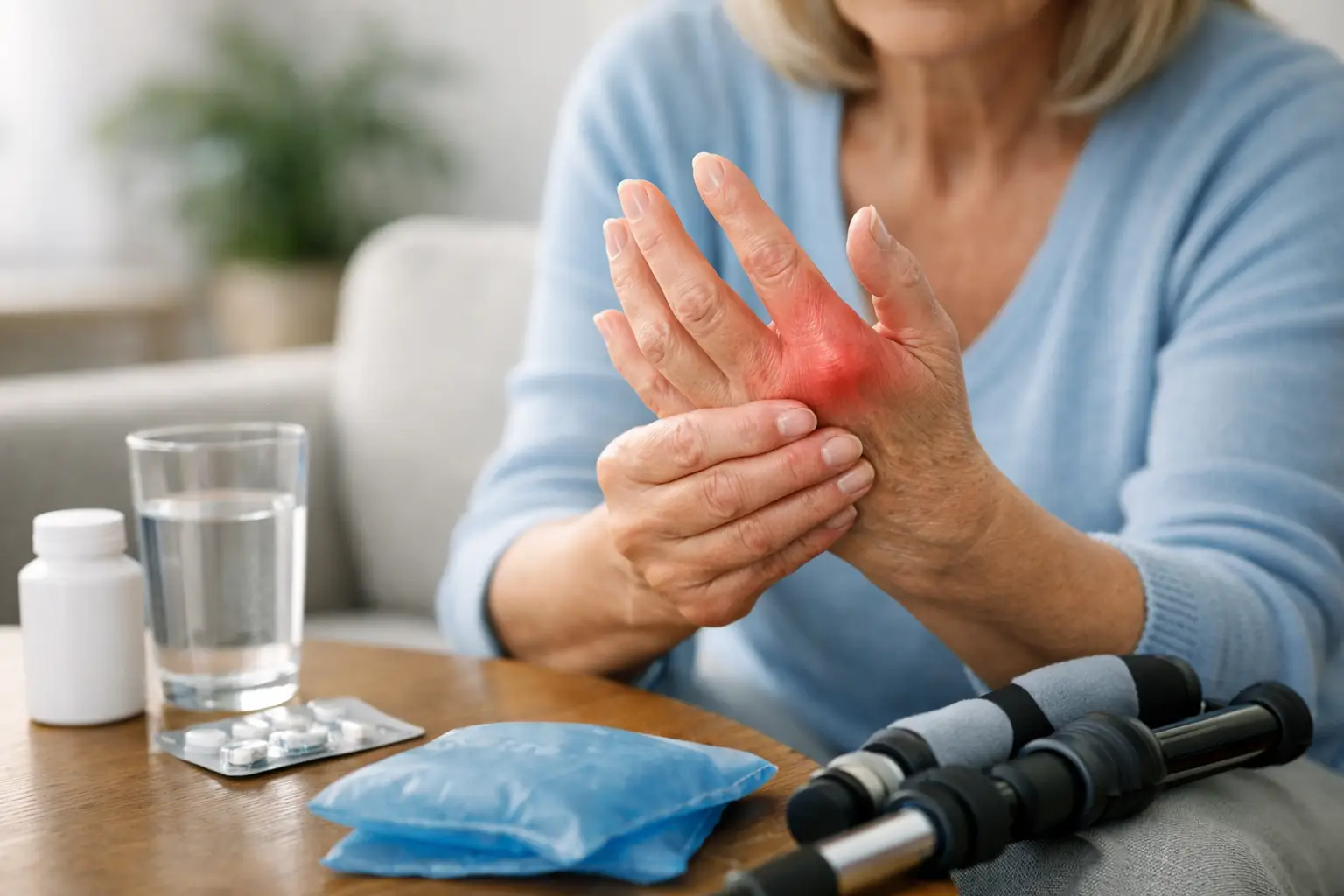
Common signs include more joint pain, stiffness that lasts longer than usual, swelling, reduced range of motion, fatigue, and trouble with tasks such as opening jars, climbing stairs, or getting up from a chair. In inflammatory forms of arthritis, a joint may also feel warm or look red.
The goal is not to diagnose yourself based on symptoms alone. Instead, notice what has changed from your normal baseline. Keeping track of symptom patterns can help your primary care provider, rheumatologist, or rehabilitation professional make more informed recommendations.
Managing arthritis flare ups at home
The first 24 to 72 hours of a flare often call for adjustment rather than complete shutdown. Resting an irritated joint can be useful, but too much inactivity can increase stiffness, weaken supporting muscles, and make it harder to return to regular movement.
Reduce the load without stopping all movement
Scale back activities that clearly increase pain or swelling. If your knees are flaring, that may mean postponing deep squats, long walks on hills, or repeated stair climbing for a few days. If your hands are affected, use larger-handled tools, take breaks from gripping tasks, and split chores into shorter sessions.
Gentle movement is usually more helpful than staying still all day. Short walks on level ground, easy range-of-motion exercises, or light stretching may reduce stiffness and support circulation. The key is to keep the movement comfortable. Sharp pain, a sense of joint instability, or worsening swelling are signs to stop and reassess.
Use heat or cold based on the symptom
Heat can be especially soothing for stiffness and muscle tension around a painful joint. A warm shower, heating pad, or warm compress may help you move more easily before activity. Keep heat comfortable rather than hot, and avoid falling asleep with a heating pad on.
Cold is often better for a joint that feels swollen, hot, or throbbing after activity. Wrap a cold pack in a towel and use it for short periods. Do not apply ice directly to skin, and take extra care if you have reduced sensation, circulation problems, or diabetes.
Some people benefit from alternating heat and cold. There is no single rule that works for every form of arthritis, so pay attention to which option gives you the most relief without aggravating symptoms.
Follow your medication plan safely
Take prescription medications exactly as directed by the clinician who prescribed them. If you use over-the-counter pain relievers or anti-inflammatory medications, check with a pharmacist or health professional first, particularly if you have kidney disease, ulcers, heart disease, high blood pressure, take blood thinners, or use several medications.
Do not increase doses, combine medications, or stop a disease-modifying arthritis medicine on your own because a flare is frustrating. For inflammatory arthritis, consistent treatment can be central to controlling the disease process, not just the pain. Contact your prescribing clinician if your current plan is not controlling symptoms.
Protect your energy
A flare can drain energy as much as it affects a joint. Prioritize the tasks that truly need to happen, and give yourself permission to postpone the rest. Pacing is practical, not passive: alternate activity with recovery before pain becomes overwhelming.
For example, rather than spending an entire afternoon cleaning, work for 10 to 15 minutes, then sit, stretch gently, or use a warm compress. If you know a busy day is coming, simplify meals, wear supportive footwear, and plan more breaks than usual. These small changes can prevent a difficult day from becoming a longer setback.
Find the trigger, but do not blame yourself
Many flares have more than one cause. Repetitive activity, a sudden increase in exercise, poor sleep, stress, cold temperatures, infection, and missed medication can all play a role. With osteoarthritis, joint irritation may follow extra loading or a change in mechanics. With inflammatory arthritis, disease activity can increase even when you have done everything “right.”
A simple symptom record can be useful. Note the date, affected joints, pain level, swelling, sleep, recent activities, and what helped. Over time, patterns may emerge. You may notice that long periods of sitting stiffen your hips, that certain workouts need a slower progression, or that stressful weeks call for more deliberate rest and recovery.
The purpose of tracking is to guide decisions, not to create a long list of restrictions. Avoiding all activity out of fear can reduce strength and confidence, both of which are valuable for long-term joint health.
Rebuild movement after the flare settles
When symptoms begin to calm, return to activity gradually. A common mistake is feeling better for one day, then trying to catch up on everything at once. Start below your usual level and increase one variable at a time, such as duration, resistance, or frequency.
Strengthening the muscles around affected joints can reduce strain during everyday movement. Mobility work can help you maintain usable range of motion, while balance and posture training can improve how force is distributed through your body. The best exercise plan is specific to your joints, fitness level, work demands, and arthritis type.
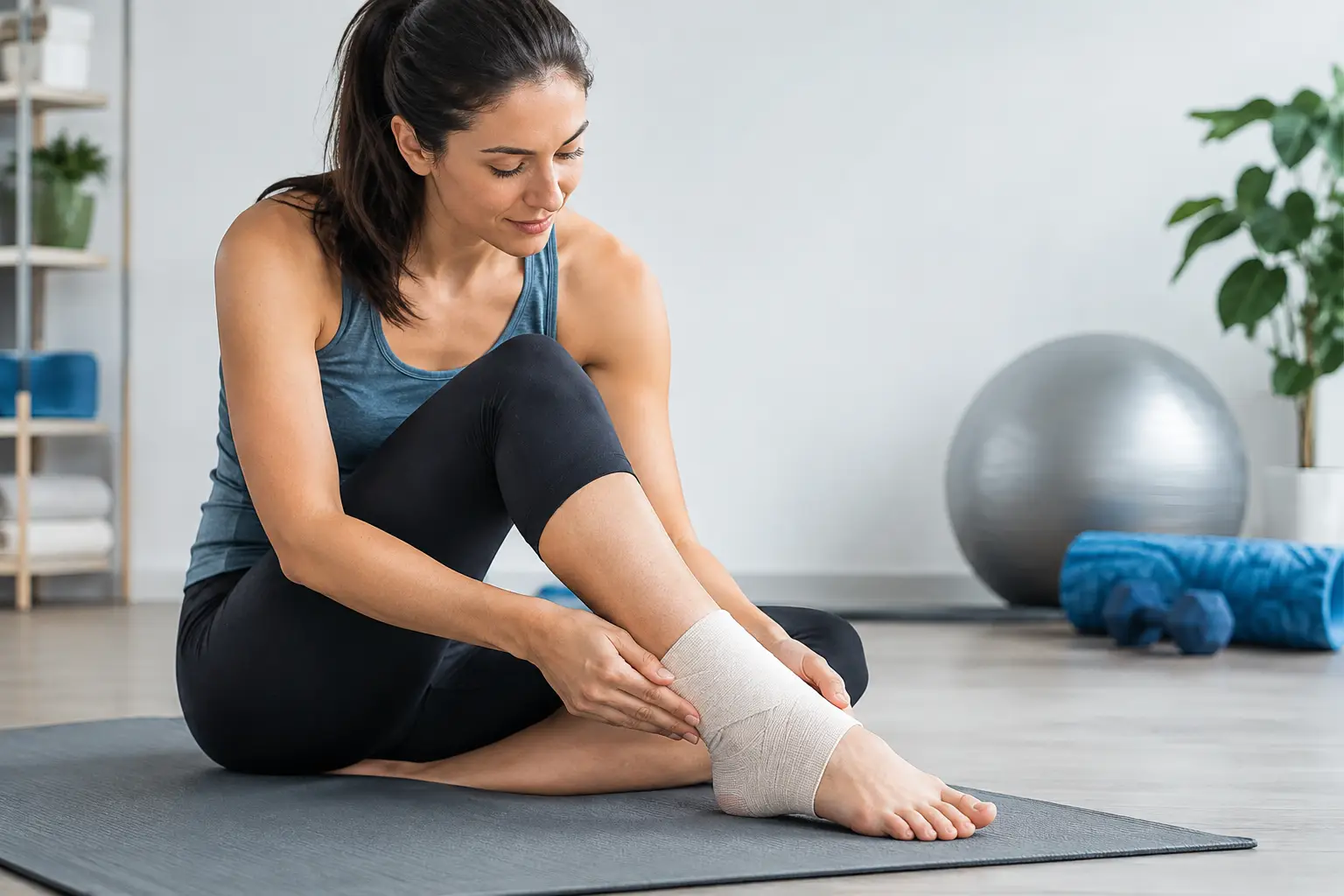
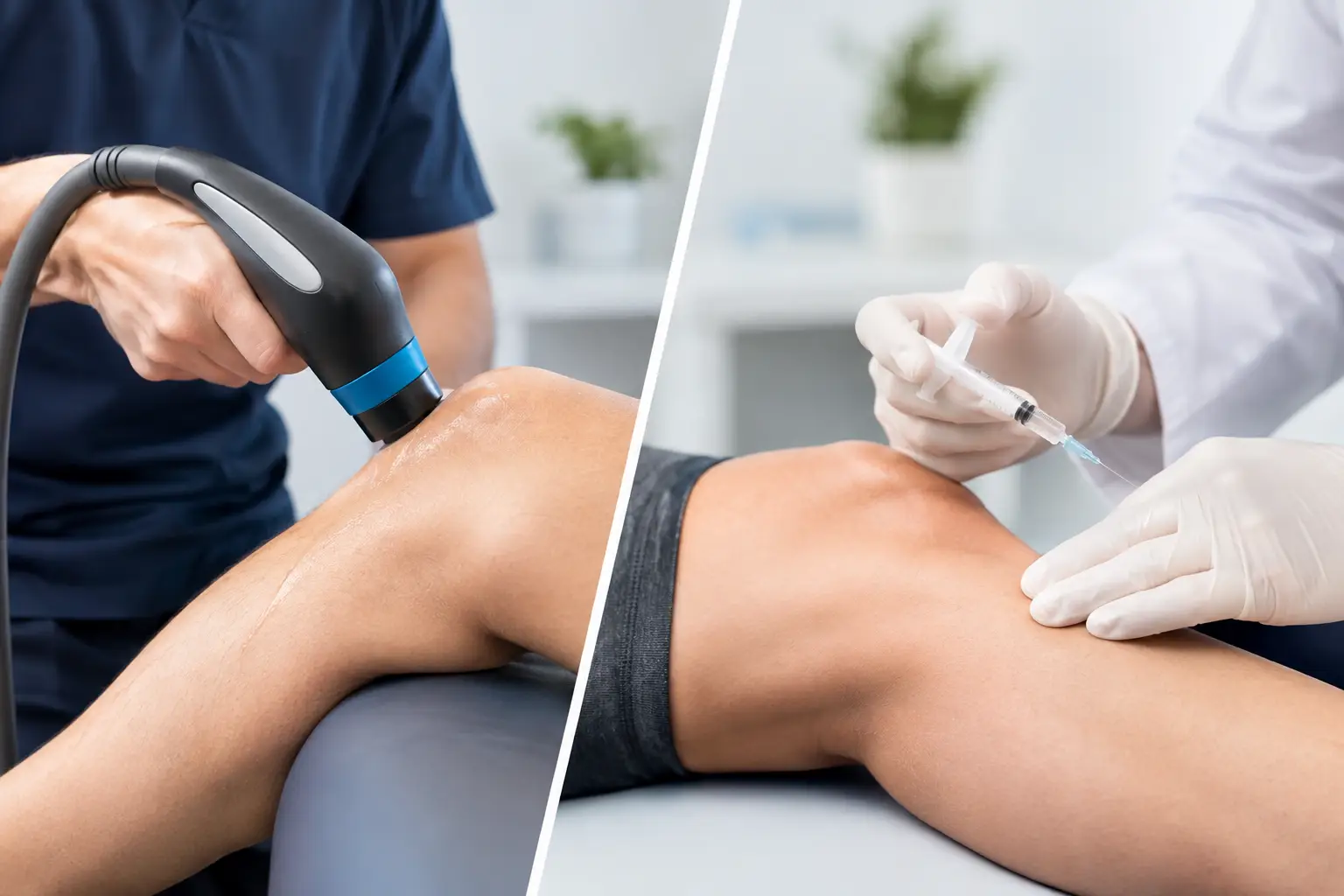
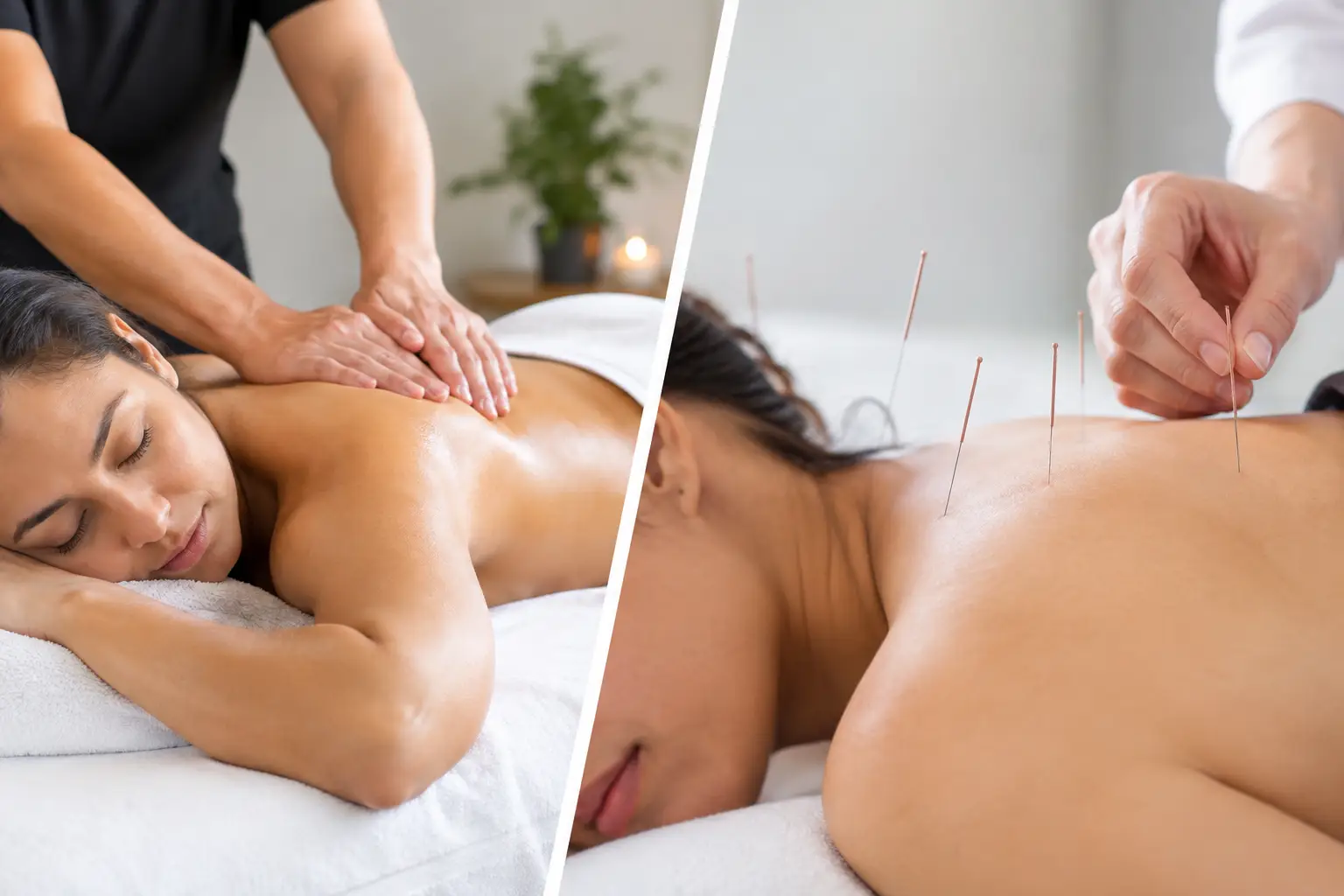
A physiotherapist can assess how you move, identify activities that are overloading a painful area, and build a realistic progression. Hands-on treatment, targeted exercise, education about pacing, and support from other licensed professionals can be useful parts of a personalized plan. At Active Rehab Centre, multidisciplinary care can help connect pain relief strategies with practical rehabilitation goals.
When an arthritis flare needs medical attention
Not every painful joint is a routine flare. Seek urgent medical care if you have a fever, feel unwell, or have a joint that becomes suddenly very red, hot, swollen, and severely painful. These symptoms can occur with infection or gout and should be assessed promptly.
You should also contact a health professional if pain follows a fall or injury, you cannot bear weight, a joint looks deformed, numbness or weakness develops, or swelling is rapidly worsening. For people with rheumatoid arthritis, psoriatic arthritis, or another inflammatory condition, let your rheumatology team know about flares that are frequent, prolonged, or different from your typical symptoms.
Persistent pain deserves attention even when it is not urgent. Ongoing flares can affect sleep, mood, work, and confidence in movement. A clinician can help determine whether your treatment plan, exercise routine, footwear, joint support, or daily activity demands need to change.
A practical plan for the next flare
It helps to decide what you will do before symptoms spike. Keep a short plan where you can find it: reduce aggravating activity, use heat or cold as tolerated, continue gentle movement, follow your medication instructions, and contact your care team when symptoms cross the limits you have discussed.
Living with arthritis often means adapting day by day, not giving up the activities that matter to you. With early adjustments, gradual rehabilitation, and the right professional support, a flare can become a signal to care for your joints more deliberately rather than a reason to put your life on hold.