
Jaw tension can make ordinary moments surprisingly difficult. You may notice it when you wake up with a sore face, chew a sandwich, speak through a long meeting, or try to fall asleep. The best ways to relieve jaw tension usually combine gentle self-care with changes to the habits that keep the jaw muscles working overtime.
A tight jaw is common, but it is not something you need to simply push through. Stress, teeth grinding, posture, clenching, dental concerns, and temporomandibular joint disorders (TMJ or TMD) can all contribute. The right approach depends on what is driving your symptoms and how long they have lasted.
1. Give Your Jaw a Resting Position
Many people hold tension in their jaw without realizing it. A healthy resting position is simple: let your lips touch lightly, keep your teeth slightly apart, and rest your tongue gently against the roof of your mouth just behind your front teeth.
This position helps interrupt unconscious clenching. Try checking in with yourself at regular points during the day, especially while driving, working at a computer, exercising, or dealing with stressful situations. A reminder on your phone can be useful at first.
Avoid treating your jaw as a place to store stress. Your teeth should come together for chewing and swallowing, not for hours of work, concentration, or frustration.
2. Use Warmth for Tight, Aching Muscles
A warm compress can calm sore jaw muscles and make gentle movement more comfortable. Apply a warm, damp towel or a heat pack wrapped in cloth to the side of the face for about 10 to 15 minutes. The heat should feel soothing, never hot enough to irritate or burn the skin.
This can be particularly helpful in the morning if you wake with tightness from nighttime grinding or clenching. It can also be a good reset after a stressful day. If your jaw became sore after an acute injury or is visibly swollen, cold may be more appropriate during the first day or two. When in doubt, a healthcare professional can help you choose the right option.
3. Try Gentle Jaw Mobility Exercises
When muscles are guarded and tight, forcing your mouth open can make symptoms worse. Instead, use small, controlled movements that encourage mobility without provoking pain.
Start by sitting upright with your shoulders relaxed. Place the tip of your tongue lightly behind your upper front teeth. Slowly open your mouth only as far as is comfortable, then close it. Repeat five to 10 times, once or twice a day. Keeping the tongue in place can reduce excessive jaw movement and help you practice a smoother opening pattern.
You can also gently massage the masseter muscles, the thick chewing muscles at the sides of your cheeks. Using clean fingertips, apply comfortable circular pressure from the cheekbone toward the angle of the jaw for one to two minutes per side. Stop if you feel sharp pain, tingling, or worsening symptoms.
Exercises work best when they are specific to your needs. If your jaw clicks, locks, shifts to one side, or has limited opening, a generic exercise routine may not be the right answer. Assessment can identify which muscles and movement patterns need attention.
4. Choose Softer Foods During a Flare-Up
A painful jaw often benefits from a short period of reduced workload. For a few days, choose foods that do not require prolonged or forceful chewing, such as yogurt, eggs, soup, cooked vegetables, fish, oatmeal, rice, or smoothies.
Try to avoid gum, chewy candy, tough meat, crusty bread, large sandwiches, and foods that require you to open wide. Take smaller bites and cut food into manageable pieces. This is not meant to become a restrictive long-term diet. It is a practical way to settle irritated muscles and joints while you address the underlying cause.
Also resist the urge to test your jaw repeatedly by opening wide or chewing something difficult. Pain-free function is the goal, not proving how much discomfort you can tolerate.
5. Address Stress Before It Lands in Your Jaw
Jaw clenching is often linked to stress, but telling someone to “relax” is rarely useful. A better strategy is to build small, repeatable moments that lower physical tension throughout the day.
Slow breathing can help. Breathe in gently through your nose, then make your exhale slightly longer than your inhale. As you exhale, let your shoulders drop and check that your upper and lower teeth are apart. Even one or two minutes before bed, after work, or before a difficult conversation can make a difference over time.
Pay attention to the situations that trigger your clenching. Some people tighten their jaw during screen work, while commuting, lifting weights, or concentrating. Others notice it most at night. Identifying the pattern makes relief more targeted. If anxiety, persistent stress, or poor sleep is contributing, counseling or psychotherapy may be a valuable part of a broader care plan.
6. Improve Neck and Desk Posture
Your jaw does not work in isolation. Forward-head posture and tight neck muscles can increase strain through the face, jaw, and upper shoulders. This is especially common for people who spend long hours looking down at a phone or leaning toward a laptop.
Set your screen near eye level, support your lower back, and keep your feet grounded when possible. Rather than holding one “perfect” posture all day, change positions often. Stand up, roll your shoulders, and take brief movement breaks every 30 to 60 minutes.
A simple neck reset can help: gently draw your head straight back as if making a small double chin, without tipping your head down. Hold for a few seconds, release, and repeat several times. This should feel mild and controlled. Stop if it causes dizziness, numbness, or increased pain.
7. Consider Nighttime Teeth Grinding
If you regularly wake with jaw pain, headaches, tooth sensitivity, or a tired feeling in your face, nighttime grinding may be involved. Teeth grinding, also called bruxism, can place significant load on the jaw muscles and joints while you sleep.
A dentist can check for signs of grinding, tooth wear, bite changes, and dental conditions that may be contributing. In some cases, a custom night guard is recommended to protect the teeth and reduce strain. Store-bought guards may help some people temporarily, but a poorly fitting device can be uncomfortable or change how the teeth meet. Professional guidance is the safer choice when symptoms are frequent or significant.
Sleep habits matter too. Consistent sleep times, limiting late caffeine when it affects you, and creating a wind-down routine can support recovery. Grinding has several possible causes, so a night guard may be one part of care rather than the whole solution.
8. Get Professional Care for Persistent Jaw Tension
Home strategies are useful, but recurring or limiting jaw tension deserves an assessment. A licensed physiotherapist can evaluate jaw movement, muscle tenderness, neck posture, and daily habits that may be keeping symptoms active. Treatment may include hands-on therapy, individualized exercises, education, and coordination with your dentist or other healthcare providers when needed.
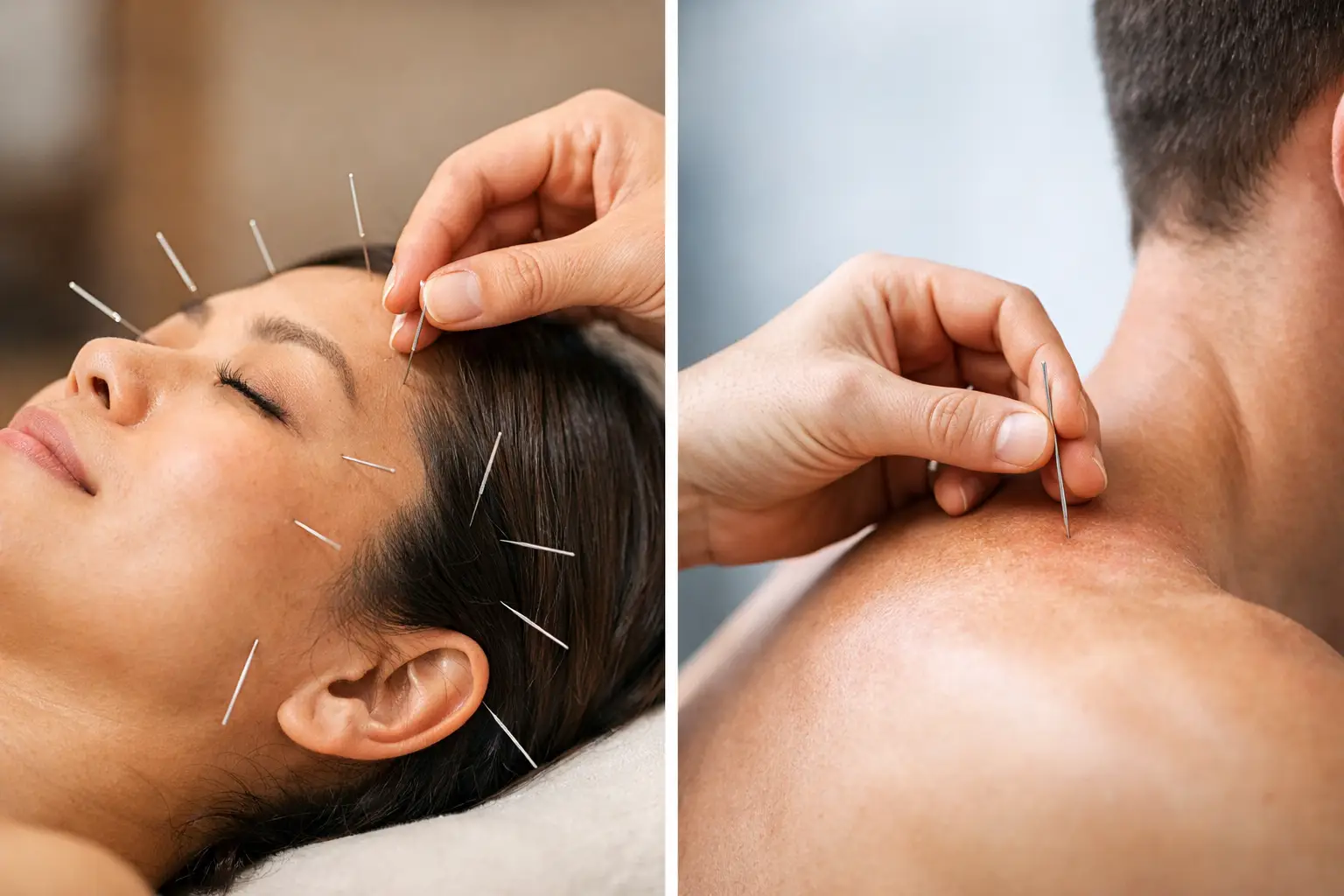
Massage therapy may help reduce muscle tightness in the jaw, face, neck, and shoulders. Acupuncture can be another option for some people with persistent muscle-related pain. The best treatment plan is personal: someone with stress-related clenching may need a different approach than an athlete with neck tension or a person recovering from dental work.
At Active Rehab Centre, care can be tailored to the connected areas that often influence jaw symptoms, including the neck, upper back, posture, sleep, and stress response. The goal is not just temporary relief, but a plan that helps your jaw move and function more comfortably in daily life.
When Jaw Pain Needs Prompt Attention
Seek dental or medical care promptly if jaw pain follows a fall, blow to the face, or car accident. You should also be evaluated if your jaw locks open or closed, you cannot open your mouth normally, your bite suddenly feels different, or you have marked swelling, fever, difficulty swallowing, or signs of infection.
Do not assume severe jaw pain is always a muscle issue. Jaw discomfort accompanied by chest pressure, shortness of breath, sweating, nausea, dizziness, or pain spreading to the arm, back, or neck may be a medical emergency. Call emergency services immediately.
Jaw tension usually responds best to consistent, gentle care rather than aggressive stretching or ignoring the problem. Start with one or two changes you can maintain, notice what triggers your symptoms, and seek support if pain keeps returning. Relief often begins with giving your jaw permission to stop working so hard.