A tight neck after long hours at a desk, a hamstring that will not settle after a sports injury, or low back pain that keeps returning can make almost any treatment option sound appealing. When people compare acupuncture versus dry needling, they often notice one obvious similarity: both treatments use very thin, solid needles. But the reason for treatment, the clinical framework, and the way your provider builds your care plan can be quite different.
The best choice is not always about which method is “better.” It is about what is contributing to your pain, how your body responds, your medical history, and whether needling fits appropriately within a larger recovery plan.
Acupuncture Versus Dry Needling: The Core Difference
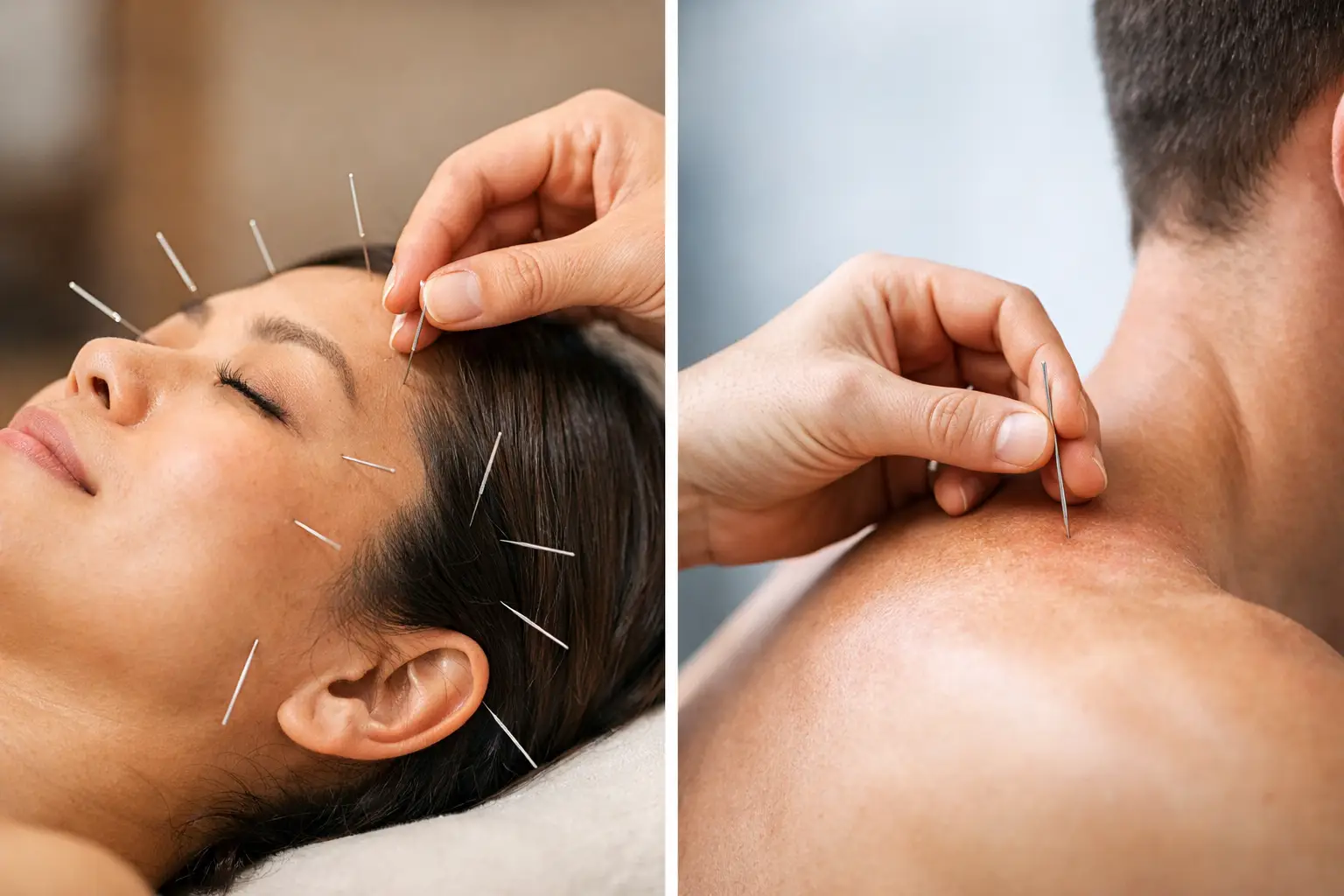
Acupuncture is a traditional East Asian medical therapy that has been practiced for centuries and is now commonly used alongside modern rehabilitation care. A licensed acupuncture provider places fine needles at specific points on the body. Treatment is traditionally based on patterns of imbalance and the movement of qi, or vital energy. In a modern clinical setting, acupuncture may also be discussed in terms of its effects on pain signaling, circulation, the nervous system, and muscle relaxation.
Dry needling is generally used within a Western, musculoskeletal approach to care. A qualified provider inserts a thin needle into a sensitive area of muscle, often called a trigger point, or into tissue related to a movement problem. The goal is usually to reduce muscle guarding, ease localized pain, and help restore more comfortable movement.
Both approaches can involve a needle placed near a painful muscle. That overlap does not make them interchangeable. Acupuncture typically considers the whole person and may be used for pain, stress-related tension, headaches, sleep concerns, and other health goals. Dry needling is more often focused on a specific muscle, joint, or movement limitation.
How Acupuncture May Support Pain Relief and Well-Being
Acupuncture sessions are personalized. Your practitioner may ask about the location and quality of pain, sleep, stress, digestion, energy, activity level, and previous injuries before selecting treatment points. Needles may be placed near the painful area as well as in points farther away on the arms, legs, ears, or torso.
For many people, the treatment feels calming. You may notice a brief pinch as a needle enters the skin, followed by pressure, warmth, heaviness, tingling, or little sensation at all. Needles are typically left in place for a period of time while you rest. Your provider may also use gentle stimulation, heat, or other traditional techniques when appropriate.
People commonly seek acupuncture for persistent neck or back pain, osteoarthritis-related discomfort, tension headaches, migraines, jaw tension, shoulder pain, and stress that seems to show up physically. Research supports acupuncture for some chronic pain conditions, although results vary by condition and by individual. It should not be presented as a guaranteed cure, and it is most useful when treatment goals are clear and progress is reviewed over time.
How Dry Needling Works in Rehabilitation
Dry needling is usually more targeted and movement-focused. A physiotherapist or other trained rehabilitation professional may identify tight, tender, or overactive muscles during an assessment. They may then use dry needling to address tissue sensitivity that is limiting your ability to turn your head, lift an arm, squat, walk comfortably, or return to sport.
The word “dry” simply means that no medication is injected through the needle. A brief muscle twitch can occur when a trigger point is stimulated. Some people feel an immediate release of tightness, while others experience a deep ache during treatment and temporary soreness afterward, much like the feeling after an intense workout.
Dry needling is often considered for conditions such as muscle strains, shoulder pain, hip pain, plantar heel pain, knee pain, sciatica-related muscle tension, and certain sports injuries. It is rarely a complete treatment on its own. The strongest rehabilitation plans usually pair symptom relief with hands-on care, graded exercise, mobility work, strength training, and practical changes to the activities that keep irritating the area.
The Treatment Goal Matters More Than the Needle
If your calf is painfully tight after returning to running, dry needling may be considered as one tool to reduce muscle guarding so you can begin loading and strengthening the area more effectively. If ongoing stress, poor sleep, headaches, and neck tension are all feeding into one another, acupuncture may offer a broader approach to symptom management and relaxation.
There is also room for overlap. A person with chronic low back pain may have both local muscle sensitivity and stress-related pain amplification. In that case, the right recommendation depends on a thorough assessment, not a one-size-fits-all label.
What to Expect After Treatment
After acupuncture, some patients feel relaxed or sleepy, while others notice a gradual reduction in pain or tension over the next day or two. After dry needling, localized soreness, mild bruising, or a temporary increase in symptoms can happen for 24 to 48 hours. Gentle movement, hydration, and following your provider’s aftercare instructions can help.
Neither treatment should leave you feeling ignored or uncertain about what comes next. Your provider should explain the purpose of needling, what sensations are normal, the likely benefits and limits, and how treatment will be adjusted if you do not respond as expected.
Progress may be measured by more than pain alone. Being able to sleep through the night, sit through a work meeting, climb stairs with less difficulty, return to the gym, or play with your children more comfortably are meaningful markers of recovery.
Safety, Training, and When Needling May Not Be Appropriate
When performed by a properly trained and licensed professional using sterile, single-use needles, acupuncture and dry needling are generally considered low-risk. Mild bleeding, bruising, temporary soreness, lightheadedness, or fatigue can occur. More serious complications are uncommon but possible, which is why practitioner training and a complete health history matter.
Tell your provider if you are pregnant, have a bleeding disorder, take blood-thinning medication, have a compromised immune system, have a needle phobia, or have had surgery in the area being treated. You should also mention unexplained weight loss, fever, severe unrelenting pain, numbness or weakness that is worsening, bowel or bladder changes, or pain following significant trauma. Those symptoms may need medical assessment before any needling treatment begins.
Provider regulations vary by location. Ask directly about your practitioner’s professional designation, licensing, dry needling training, and experience with your condition. A skilled provider welcomes those questions and will explain how needling fits within your care.
How to Choose Between Acupuncture and Dry Needling
Start with your goal. If you want a treatment that can address pain alongside stress, sleep disruption, or broader patterns of tension, acupuncture may be a good option to discuss. If a specific muscle or movement restriction is holding back your rehabilitation after an injury, dry needling may be worth considering as part of a physiotherapy-led plan.
Your preferences count, too. Some people prefer a quiet, restorative acupuncture session. Others want a focused treatment followed by exercises and a return-to-activity plan. You may decide that neither approach feels right for you, and that is a valid choice. Effective care should respect your comfort level and give you options.
At Active Rehab Centre, an integrated assessment can help connect the dots between pain relief and long-term function. Rather than chasing a painful spot from appointment to appointment, your care team can consider posture, strength, joint mobility, work demands, training habits, and stress levels to create a plan that fits your life.
The right needle-based treatment is the one that is delivered safely, tied to a clear goal, and paired with the support you need to move forward with confidence.