
That ache between your shoulder blades after a long day at the computer is not always solved by a new chair. The best therapies for workplace pain address the specific reason symptoms keep returning – whether it is repetitive movement, prolonged sitting, lifting demands, stress-related muscle tension, an old injury, or several factors working together.
Workplace pain can build gradually. A stiff neck becomes daily headaches. Wrist soreness makes typing uncomfortable. Low back pain starts to affect sleep, exercise, and the confidence to get through a shift. Personalized care can help reduce pain while restoring the strength, mobility, and work habits that support longer-lasting relief.
Why workplace pain needs more than a quick fix
Pain is often your body’s signal that the demands placed on it are exceeding its current capacity. That does not mean your job is necessarily damaging you. It may mean that your body needs recovery, better movement options, stronger support from key muscles, or a workstation setup that fits you more effectively.
Two people can have the same job and very different causes of pain. One office worker may have neck discomfort related to limited upper-back mobility and stress-driven muscle tension. Another may have similar symptoms after a previous shoulder injury. A warehouse employee with back pain may need safer lifting mechanics and progressive conditioning, while a nurse may need treatment that accounts for long shifts, transfers, and time spent on their feet.
This is why generic stretching videos and occasional pain medication may provide only temporary relief. They can be useful in the right context, but they do not replace an assessment that considers your symptoms, health history, movement, daily duties, and goals.
Best therapies for workplace pain: start with the cause
The right therapy depends on the area affected, the nature of your work, and whether the pain is new, persistent, or connected to a known injury. At a multidisciplinary clinic, care can be coordinated instead of asking you to figure out each step alone.
Physiotherapy for movement, strength, and recovery
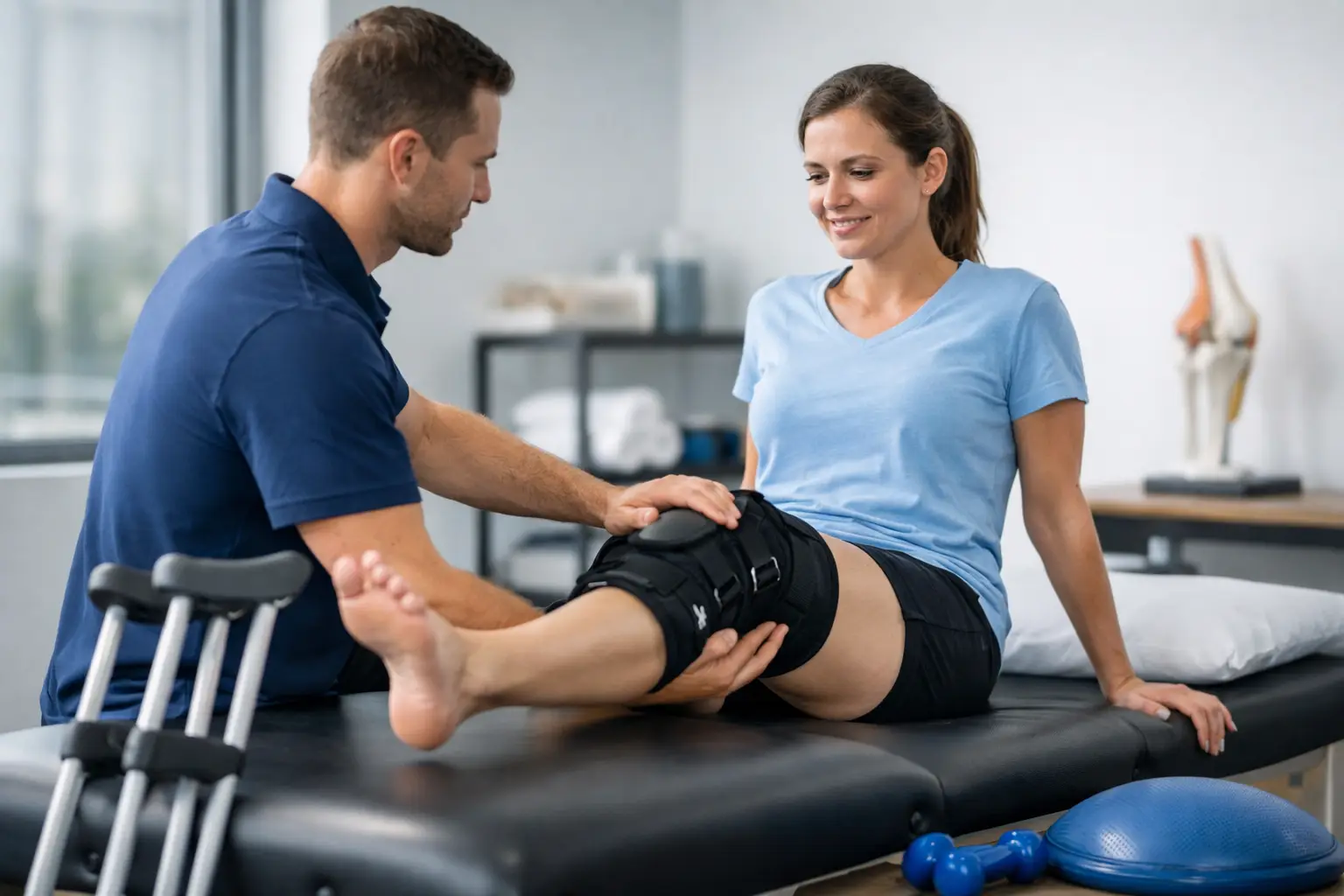
Physiotherapy is often a strong first choice for workplace-related neck, back, shoulder, knee, and repetitive strain injuries. A physiotherapist can assess how you move, identify painful or limited patterns, and create a program that is realistic for your schedule and job demands.
Treatment may include hands-on techniques, guided mobility work, targeted strengthening, posture and movement education, and a home exercise plan. The goal is not simply to make you feel better during an appointment. It is to help you tolerate sitting, standing, reaching, walking, lifting, or typing with less pain and more confidence.
For example, someone with recurring low back pain may benefit from improving hip mobility, trunk strength, and lifting technique. Someone with wrist or elbow pain from computer use or hands-on work may need gradual loading exercises, changes to gripping habits, and advice on pacing demanding tasks. The details matter because the best exercise plan is one you can follow consistently.
Chiropractic care for joint and spine-related discomfort
Chiropractic care can be helpful for people dealing with restricted movement, spinal stiffness, headaches linked to neck tension, or certain back and joint conditions. After an examination, a chiropractor may use manual adjustments, mobilization, soft-tissue techniques, and movement recommendations to reduce discomfort and improve mobility.
For some patients, chiropractic treatment offers meaningful short-term relief that makes it easier to return to exercise or begin rehabilitation. For others, it works best alongside physiotherapy, particularly when pain has affected strength, balance, or work tolerance. A good care plan should always explain what treatment is intended to do, how progress will be measured, and when active rehabilitation should take a larger role.
Massage therapy for muscle tension and recovery
Registered massage therapy can be especially useful when work involves prolonged postures, repetitive motion, physical labor, or high stress. It may help ease muscle tightness in the neck, shoulders, upper back, hips, forearms, and legs while giving your body a chance to recover from sustained demand.
Massage is not a substitute for correcting every underlying issue, but it can be a valuable part of care. When paired with exercises, ergonomic changes, and pacing strategies, it may help make movement more comfortable and reduce the cycle of tension and guarding. Many people also find it helpful when stress is contributing to jaw clenching, poor sleep, or persistent shoulder tightness.
Acupuncture for persistent pain and muscle tension
Acupuncture may be considered for people experiencing ongoing musculoskeletal pain, tension-related headaches, low back discomfort, or pain that has not fully improved with other approaches. It uses fine needles at specific points to support pain modulation and muscle relaxation.
Response varies from person to person. Some patients notice relief quickly, while others benefit more gradually over a series of visits. Acupuncture is usually most effective when it supports a broader recovery plan that includes appropriate activity, exercise, and attention to workplace demands.
SoftWave Therapy for selected injuries
SoftWave Therapy is a noninvasive treatment that may be recommended for certain chronic or stubborn musculoskeletal conditions. It uses sound-wave technology intended to support the body’s healing response in injured tissue.
It is not the right answer for every type of workplace pain, and a proper assessment should come first. When appropriate, it may be considered for tendon-related pain, plantar foot discomfort, or other conditions that have been slow to respond to conventional care. Your practitioner can explain whether it fits your diagnosis, goals, and medical history.
Psychotherapy when stress is part of the pain picture
Workplace pain is physical, but stress can change how intensely the body experiences it. High workload, poor sleep, anxiety about performance, and the frustration of being unable to work normally can all increase muscle tension and make recovery feel harder.
Psychotherapy does not suggest that pain is imaginary. It provides practical support for the emotional and behavioral side of living with pain. Strategies for stress management, sleep, pacing, and coping with persistent symptoms can complement physical treatment and help patients regain a greater sense of control.
Small workday changes that protect your progress
Treatment works best when your work environment supports recovery. You do not need a perfect workstation or a complete career change to make a difference. Small, repeatable adjustments are often more useful than one major change that is difficult to maintain.
Consider how long you stay in one position, not just whether your posture looks perfect. Changing positions every 30 to 60 minutes, taking brief movement breaks, and placing frequently used items within easy reach can reduce sustained strain. If you work at a computer, screen height, chair support, keyboard placement, and arm position may all matter. If you work in a physical role, review lifting technique, load limits, footwear, and ways to divide demanding tasks when possible.
A therapist can help you choose adjustments that make sense for your actual workplace. Advice for a delivery driver will not look the same as advice for a dental hygienist, retail employee, construction worker, or remote office professional.
When to seek care sooner
Do not wait for workplace pain to become severe before getting support. Book an assessment if symptoms keep returning, interfere with sleep, limit work tasks, cause numbness or weakness, or have not improved after a reasonable period of self-care.
Seek urgent medical attention for severe pain after a significant injury, new loss of bowel or bladder control, numbness in the groin area, unexplained fever, chest pain, or sudden weakness. These symptoms need prompt medical evaluation rather than routine rehabilitation alone.
At Active Rehab Centre, licensed practitioners can help you understand your options and build a treatment plan around the demands of your work and life. A complimentary consultation can be a practical first step when you are unsure which service is right for you.
Work should not leave you feeling like pain is simply part of the job. With the right assessment, consistent treatment, and manageable changes to your routine, you can move toward a workday that feels more comfortable, capable, and sustainable.