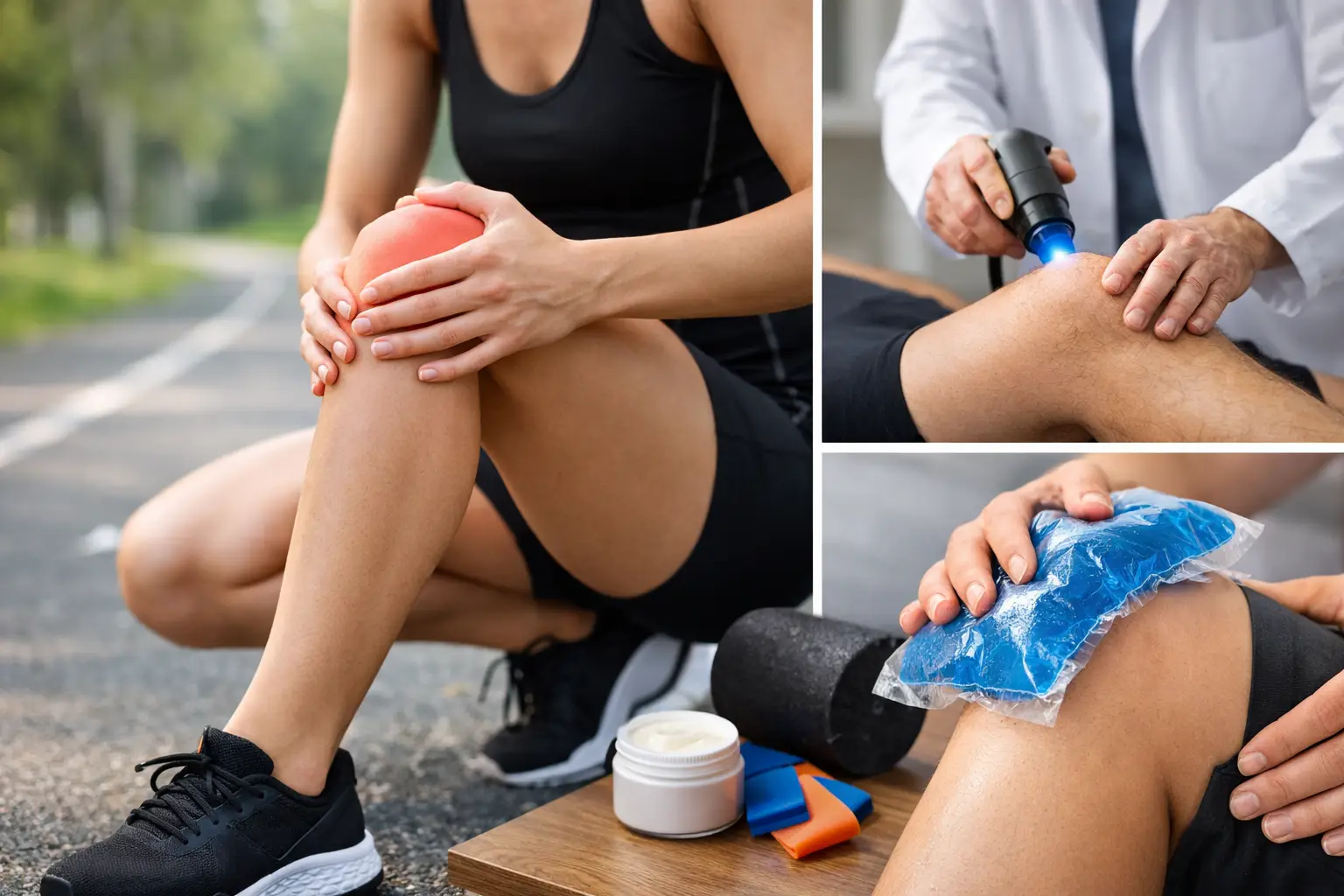
Runner knee can make a familiar route feel discouraging. The best treatments for runner knee do not simply mask pain so you can push through the next run. They reduce irritation, rebuild the strength and control your knee needs, and help you return to running with a plan that fits your body and goals.
Often called patellofemoral pain syndrome, runner knee usually causes an aching pain around or behind the kneecap. It may flare up during running, stairs, squats, hills, or after sitting with the knee bent for a long time. Although the name suggests it only affects runners, it can also occur in active adults, walkers, gym-goers, and people returning to exercise after time away.
What causes runner knee?
Runner knee is rarely caused by one single problem. It is more commonly the result of a mismatch between what the knee is being asked to do and what it is currently prepared to handle. A sudden jump in mileage, speed work, hill running, or leg training can overload the joint before the surrounding muscles have adapted.
Hip, thigh, calf, and foot strength can all influence how force moves through the leg. Reduced ankle mobility, poor single-leg control, an abrupt change in footwear, or running on heavily sloped terrain may also contribute. This does not mean your body is “misaligned” or that you have to stop exercising forever. It means the right treatment should look beyond the kneecap and address the movement and training factors driving your symptoms.
A proper assessment is especially useful because pain at the front of the knee can resemble other conditions. Patellar tendon pain, meniscus irritation, arthritis, and referred pain from the hip or lower back can require different approaches.
Best treatments for runner knee: Start with load management
The first goal is to calm the irritation without losing all of your fitness. For many people, complete rest is not necessary and can make the return to activity harder. Instead, temporarily adjust the activity that is provoking symptoms.
This may mean reducing weekly mileage, avoiding hills or speed sessions for a short period, taking walk-run intervals, or choosing a flatter route. A useful guideline is to keep activity at a tolerable pain level and make sure symptoms settle back to baseline by the following day. Pain that becomes sharper, causes limping, or lingers and worsens after each session is a sign that the load is still too high.
Low-impact exercise can help you stay active while the knee settles. Depending on your symptoms, cycling with low resistance, swimming, pool running, or an elliptical may be comfortable options. The right choice depends on what your knee tolerates, so do not force an alternative exercise that also increases pain.
Ice can provide short-term comfort after activity, particularly if the knee feels warm or irritated. It is not a cure, but it may help you manage symptoms while addressing the underlying cause. Over-the-counter pain medication may be appropriate for some people, but speak with a pharmacist or healthcare professional first, especially if you have medical conditions or take other medications.
Build strength where your knee needs support
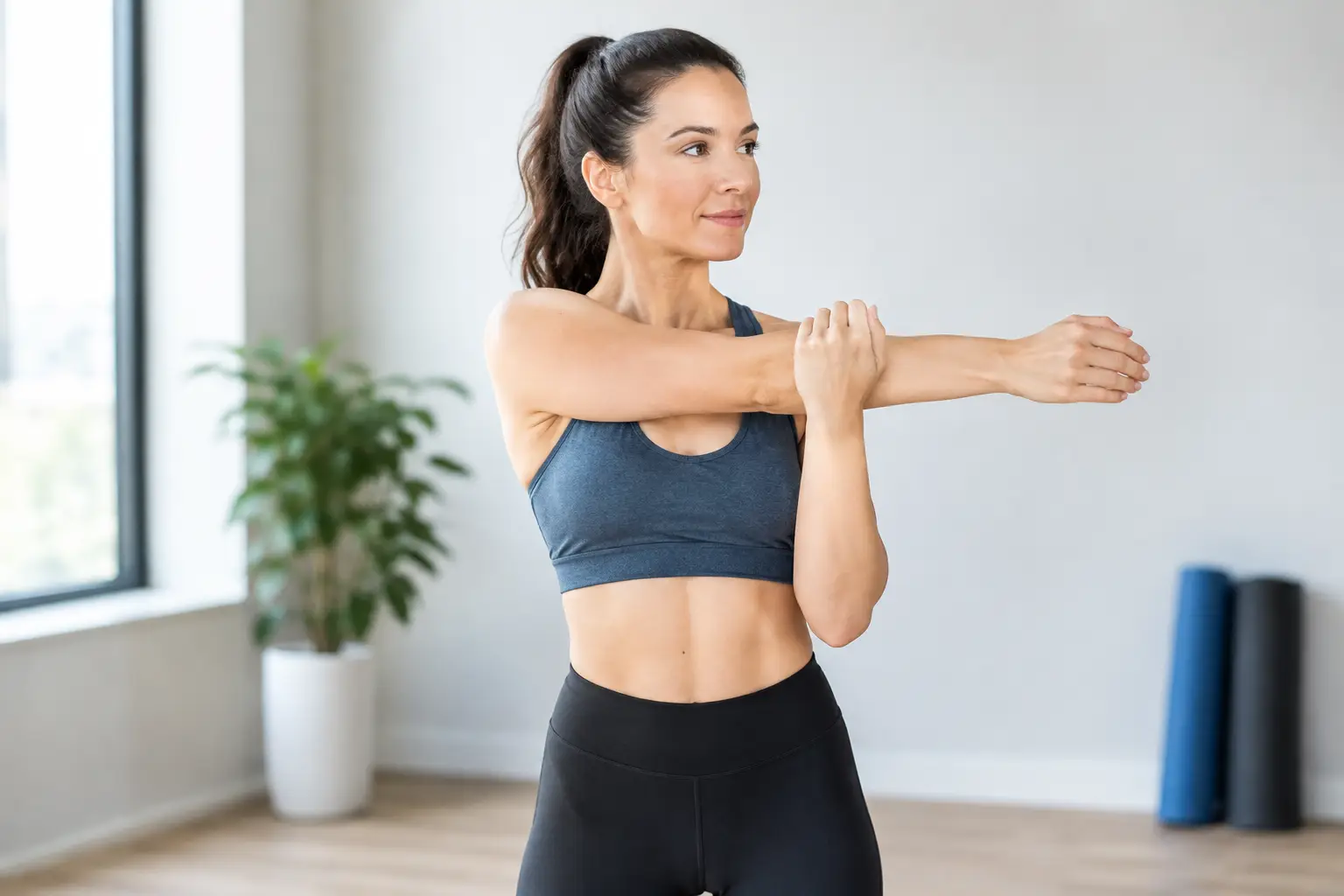
Targeted exercise is one of the most effective treatments for runner knee. Research and clinical experience consistently support strengthening the quadriceps and hip muscles because they help manage load during running, stairs, and single-leg activities.
Your program should be based on your current pain level, strength, and movement control. Early exercises may include wall sits, controlled sit-to-stands, bridges, side-lying hip work, or step-ups. As symptoms improve, the program can progress to split squats, single-leg squats, lunges, calf raises, and more demanding running-specific drills.
Technique matters. A deep squat is not automatically better than a shallow one if it significantly aggravates your knee. Your provider may adjust the depth, tempo, resistance, or number of repetitions so the exercise builds capacity instead of triggering a flare-up. Gradual progression is the treatment, not simply checking off a list of exercises.
Do not overlook the calf, ankle, and foot
The knee is part of a chain. Limited ankle motion or poor calf endurance can change how your body absorbs impact with each step. Foot strength and balance can also be relevant, particularly if pain developed after a change in running volume or terrain.
A rehabilitation plan may include calf raises, ankle mobility work, balance exercises, and gradual exposure to single-leg loading. Orthotics or a change in shoes can help in selected cases, but they are not a universal fix. If footwear is comfortable, supportive for your needs, and not worn out, a major change may not be necessary.
Use hands-on care to support your recovery
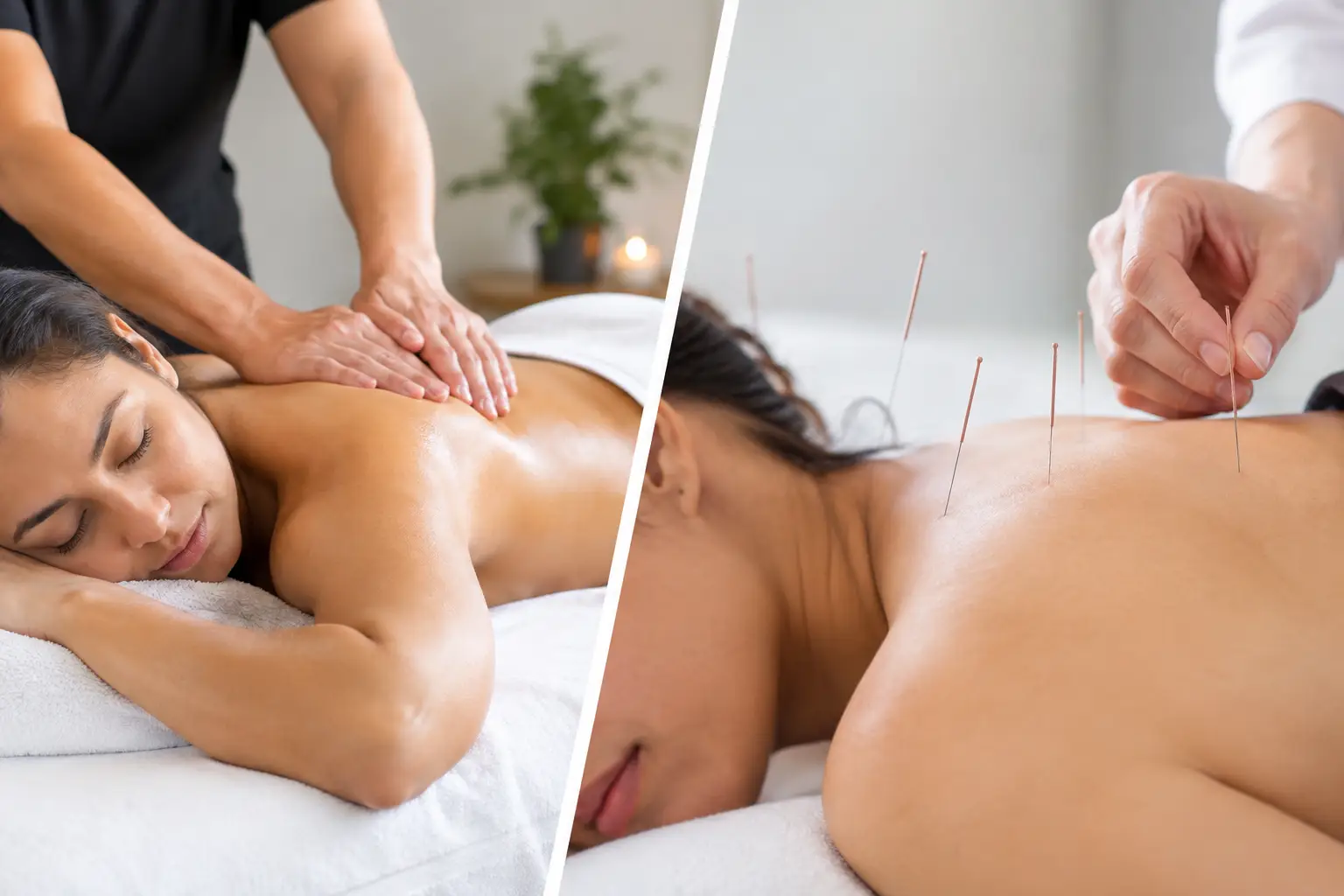
Hands-on treatment can be helpful when it makes movement more comfortable and allows you to participate in rehabilitation. A licensed physical therapist may use soft-tissue techniques, joint mobilization, or taping strategies to reduce pain and improve confidence with exercise.
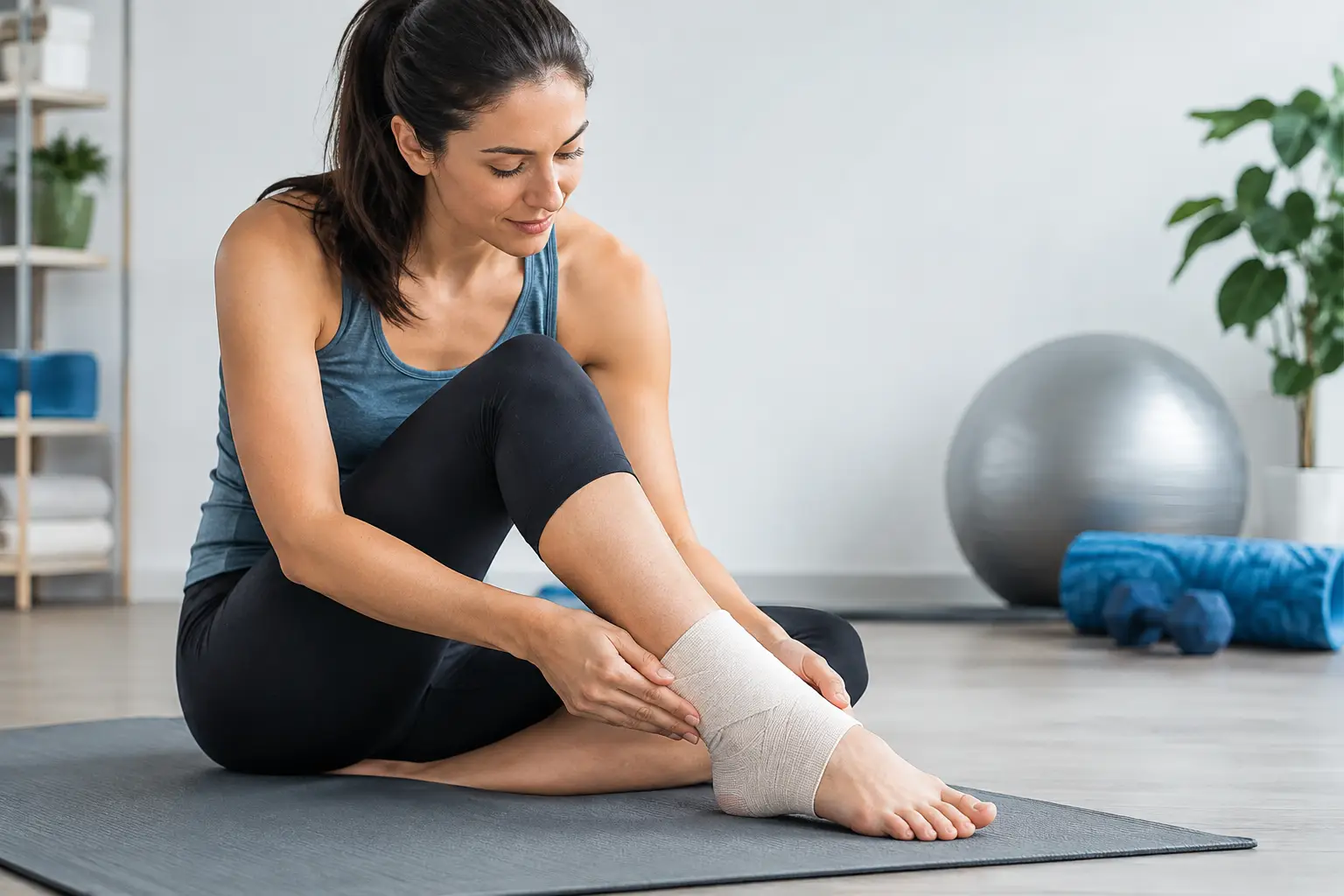
These treatments work best as part of an active plan, not as a replacement for strengthening and load management. Taping, for example, may provide temporary relief during stairs or running. That relief can be valuable, but the longer-term goal is to improve your ability to tolerate activity without relying on tape.
At Active Rehab Centre, personalized care can combine one-on-one rehabilitation, hands-on treatment, and practical guidance for returning to the activities you enjoy. The focus is on understanding why your knee is irritated and creating a plan you can realistically follow at home, at work, and during training.
Return to running gradually
Feeling better after a few days does not always mean the knee is ready for your previous training schedule. Runner knee often improves when runners rebuild volume slowly and give the tissues time to adapt.
Begin with an easy, flat route and an effort level that feels controlled. If continuous running is too uncomfortable, alternate short running intervals with walking. Increase one variable at a time, such as total time, distance, hills, or speed. Trying to add all of them in the same week is a common reason symptoms return.
Pay attention to your recovery between runs. Mild discomfort that settles quickly may be acceptable during rehabilitation. Swelling, catching, giving way, increasing pain at rest, or pain that is worse the next morning deserves a reassessment. Sleep, nutrition, stress, and recovery days also matter because they affect how well your body responds to training.
Should you change your running form?
Sometimes a small form adjustment can reduce knee load. For example, slightly increasing your cadence may help some runners avoid overstriding. But form changes should be gradual and individualized. Forcing a dramatic new running style can shift pain to the calf, foot, Achilles tendon, or hip.
A clinician can assess your gait, strength, mobility, training habits, and running goals before recommending changes. The best cue is the one that improves comfort and efficiency without creating a new problem.
When runner knee needs prompt medical attention
Most runner knee improves with the right conservative care, but certain symptoms should not be ignored. Seek prompt medical evaluation if you cannot bear weight, your knee is significantly swollen, it locks or repeatedly gives out, you have fever or redness around the joint, or the pain began after a major fall, twist, or direct impact.
You should also book an assessment if your pain is not improving after a few weeks of sensible activity modification and exercise, or if it keeps returning whenever you try to resume running. An early evaluation can prevent a frustrating cycle of resting, restarting too quickly, and flaring up again.
Your knee does not need punishment to become stronger. With a clear diagnosis, the right amount of activity, and a progressive rehabilitation plan, most people can move past runner knee and return to the roads, trails, gym, or daily routines with greater confidence.